
Introduction
The escalating geopolitical strife in the Horn of Africa has underscored the vital role of Camp Lemonnier in Djibouti. This essential U.S. military installation, strategically located at a crucial maritime crossroads and near volatile conflict zones, is now confronted with a more intricate security landscape due to the growing power of the Houthi movement in Yemen. With advancements in drone technology and missile capabilities, threats from Houthi forces could severely impact operations at Camp Lemonnier, posing significant challenges for U.S. military personnel and their allies.This article delves into how Houthi activities are reshaping Djibouti’s security environment by examining military, political, and regional implications that may arise from heightened hostilities. Understanding this threat is crucial for both military strategists and policymakers given Camp Lemonnier’s pivotal role in counterterrorism efforts and humanitarian missions across East Africa.
Evaluating Strategic Threats from Houthi Operations Near Camp Lemonnier
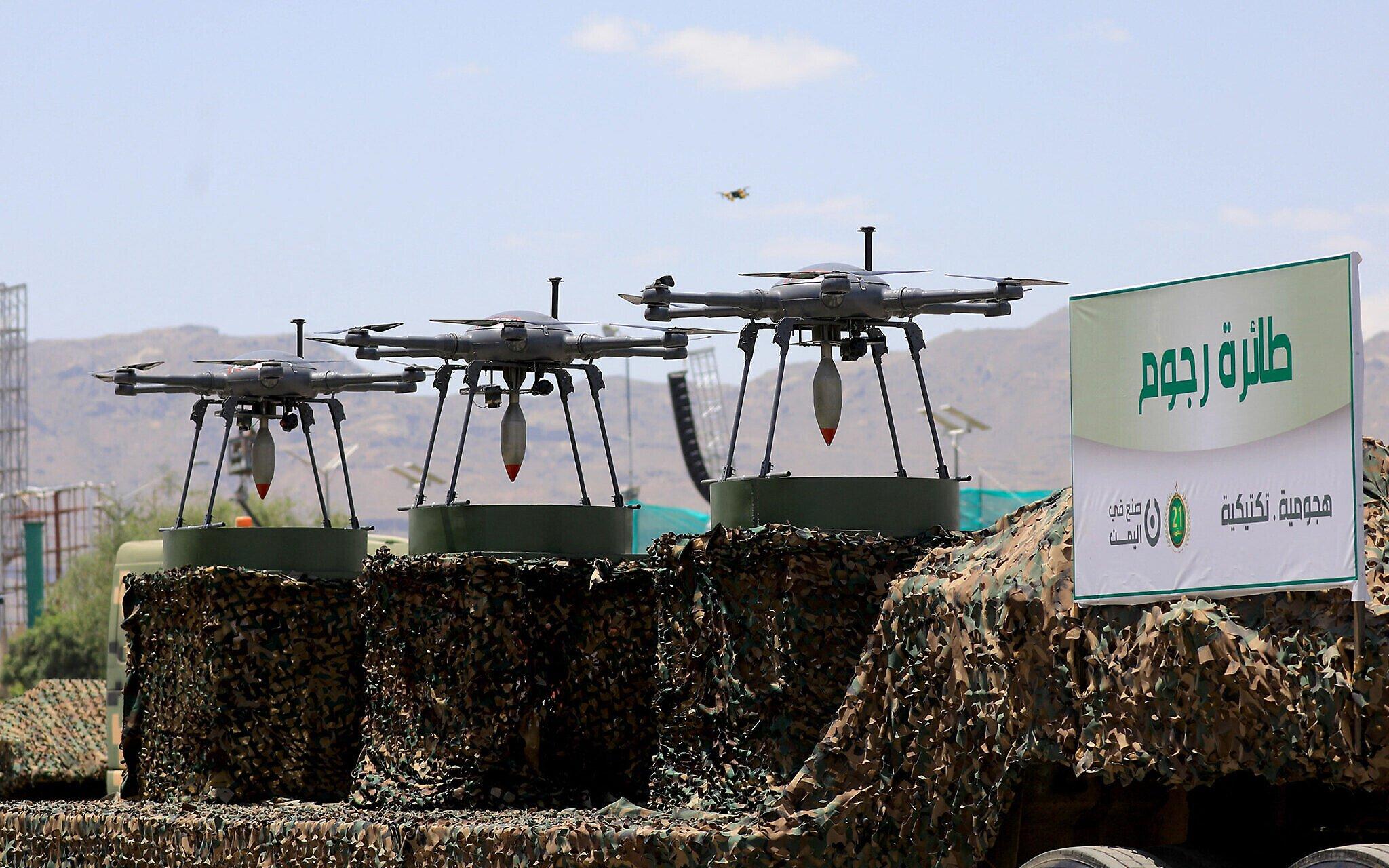
Recent assessments have raised alarms about activities associated with the Houthi movement close to Camp Lemonnier-the primary U.S. military base within Djibouti’s territory. This strategic facility not only functions as a command hub for American operations throughout the Horn of Africa but also plays an essential part in counter-terrorism initiatives across neighboring regions. The military maneuvers executed by Houthis, along with their advancing missile technology, raise significant concerns regarding potential threats aimed at both Camp Lemonnier itself as well as its surrounding areas. Analysts emphasize that it is indeed critical to grasp these threats’ multifaceted nature, which may include:
- Direct missile strikes
- Proxy warfare
- Clandestine intelligence operations
The repercussions stemming from Houthi actions extend beyond immediate military confrontations; they also indicate shifts within the broader geopolitical context surrounding this base that could influence U.S.-led alliances regionally. Key factors warranting careful monitoring include:
| Catalyst | Plausible Outcome |
|---|---|
| Evolving drone capabilities among Houthis. | An increased risk during surveillance missions. |
| Dynamics within regional coalitions shifting rapidly. | A potential isolation effect on U.S interests. |
| Deterioration of peace negotiations regarding Yemen conflict. | A direct threat to maritime safety along Red Sea routes. |
Intelligence Assessments: Insights into Houthi Capabilities and Objectives
The Houthis-officially known as Ansar Allah-have demonstrated increasing sophistication concerning their operational capabilities which raises alarms about possible risks targeting U.S installations like Camp Lemonnier specifically . Recent intelligence reports indicate that they possess various unmanned aerial vehicles (UAVs) alongside precision-guided munitions effectively utilized during conflicts throughout Yemen . Their technological proficiencies encompass:
- Refined UAV systems: Engineered for long-range reconnaissance missions coupled with strike abilities.
- Makeshift missile technologies : Utilizing both domestic resources & foreign innovations related ballistic/cruise missiles.
- Cyber warfare tactics : Acquiring expertise capable disrupting dialog networks impacting operational readiness.
Beyond mere technological prowess ,the intentions behind these actions suggest aspirations extending beyond localized skirmishes hinting towards ambitions aimed at expanding influence regionally . Their recent declarations coupled with displays suggest willingness engage asymmetric warfare strategies undermining US interests locally . These objectives can be summarized succinctly:
- < Strong >Enhancing regional authority :< / strong > Striving bolster standing among allied factions operating nearby.< br />
- < Strong >Dissuading foreign militarization :< / strong > Seeking diminish effectiveness US bases such as camp lemonnier.< br />
- < Strong >Utilizing political narratives :< / strong > Crafting stories portraying houthis defenders against external aggression.< br />
Strategies To Counter Potential Threats: Strengthening Security At Camp Lemonnier
To enhance security measures around camp lemonnier against prospective dangers arising from houthis’ maneuvers implementing extensive strategies becomes imperative.Key recommendations include:
- < Strong >Augmented Surveillance :< / strong >  ; Employ cutting-edge surveillance tools including drones satellite imagery monitor adjacent territories providing real-time insights regarding emerging risks.< br />
- < Strong >Tighter Access Control :< / strong >  ; Strengthening entry protocols employing biometric screening methods substantially curtail unauthorized access sensitive zones.< br />
- < Strong >Collaborative Military Drills :< / strong >  ; Regular joint exercises conducted alongside partner forces enhance preparedness foster cooperation ensuring all personnel ready respond swiftly incursions occur .< br />
- < Strong >Community Outreach Initiatives:< / strong >  ; Building rapport local communities enhances intelligence gathering efforts yielding deeper understanding socio-political dynamics affecting area surrounding base .
Additionally ,conducting periodic risk assessments remains vital staying ahead evolving challenges.A structured approach might involve establishing rapid-response teams tasked addressing emergencies efficiently.Below outlines simple guidelines focusing team’s operational priorities:
Looking AheadÂ
The assessment concerning huthi threats directed toward camp lemonnier highlights intricate geopolitical dynamics present horn africa broader middle east.As tensions persist likelihood huthi activity remains significant concern us military interests allied endeavors.The strategic relevance camp lemonnier serving counterterrorism stability cannot be overstated.As circumstances evolve maintaining vigilance thorough comprehension local actors will prove essential safeguarding key installation ensuring safety personnel stationed there.Moving forward decision-makers experts must prioritize holistic approaches mitigating risks posed emerging dangers guaranteeing continued viability asset combating extremism instability region.










