
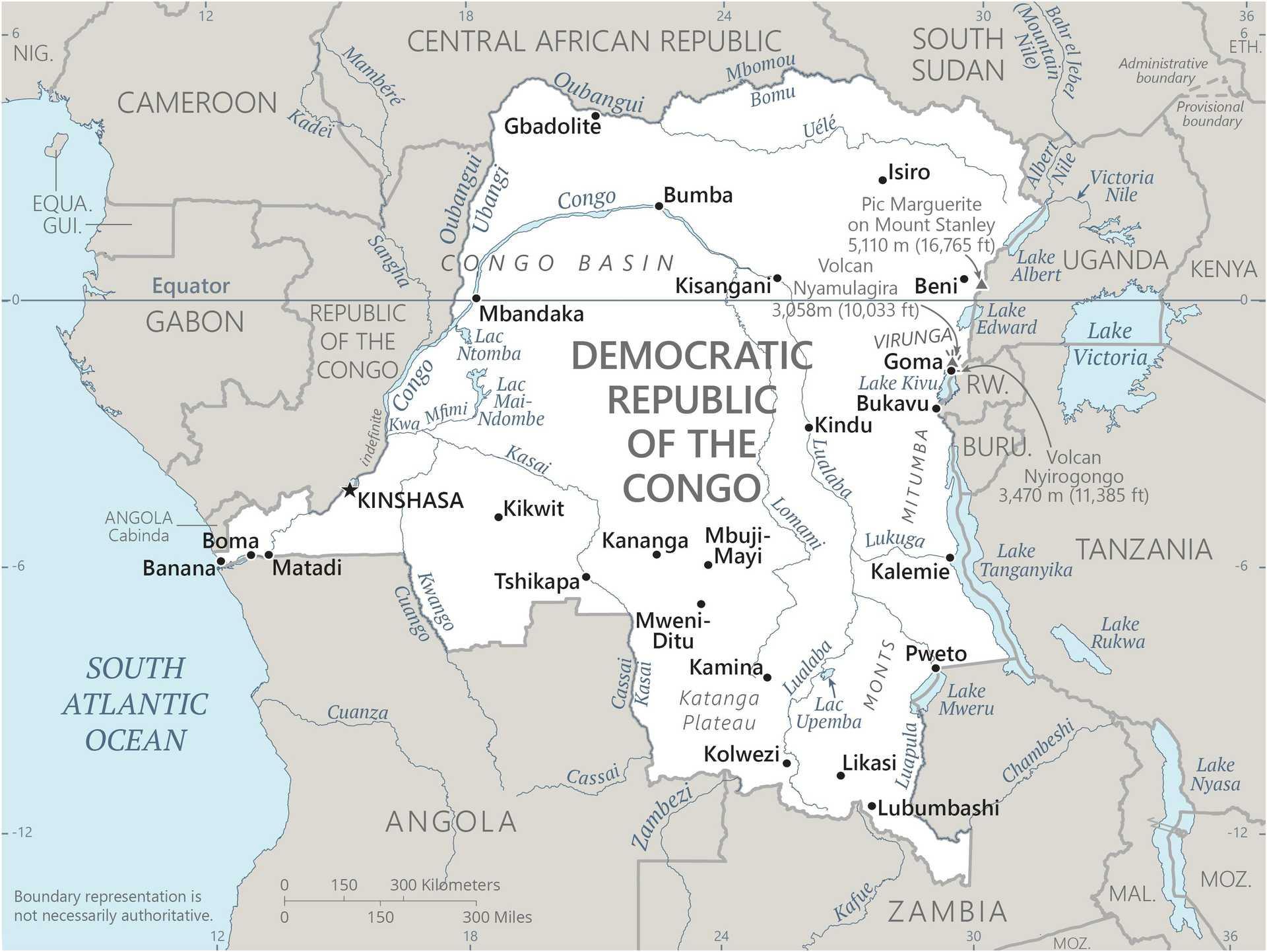
In a world where human rights remain a pressing global concern, the U.S. Department of State has released its comprehensive 2020 Country Reports on Human Rights Practices, with a detailed focus on the Democratic Republic of the Congo (DRC). This annual assessment sheds light on the human rights landscape in a nation rich in resources yet plagued by decades of conflict, corruption, and instability. The report outlines a range of issues, from political repression and restrictions on fundamental freedoms to rampant violence and a lack of accountability for human rights violations. As the DRC navigates its complex socio-political environment, the findings serve as a crucial resource for policymakers, activists, and those advocating for the protection of human rights in one of Africa’s most populous countries. By examining the underlying factors contributing to ongoing abuses, the report not only highlights the challenges faced by the Congolese people but also underscores the urgent need for international attention and action.
Critical Analysis of Human Rights Violations in the Democratic Republic of the Congo
The Democratic Republic of the Congo (DRC) has faced an alarming and persistent pattern of human rights violations that have been documented in various reports, including the U.S. Department of State’s annual assessments. Key issues include extrajudicial killings, torture, and arbitrary detentions, often perpetrated by state security forces and various armed groups operating in the region. Reports indicate that the ongoing conflict in eastern DRC exacerbates these violations, leading to widespread impunity for perpetrators and a culture of fear amongst the civilian population. Humanitarian organizations and human rights advocates have voiced concerns regarding the government’s ineffective response to such abuses, highlighting the pervasive corruption within state institutions that further undermines justice and accountability.
Moreover, the DRC continues to grapple with widespread discrimination and gender-based violence, particularly against women and girls. Despite the existence of laws aimed at protecting human rights, enforcement remains weak, allowing such violations to persist unchallenged. According to recent findings, the situation is exacerbated by economic instability and political repression, which stifle free expression and discourage civic engagement. The following table summarizes the key human rights challenges currently faced by the DRC:
| Human Rights Issue | Status | Impact |
|---|---|---|
| Extrajudicial Killings | Widespread | Creates a culture of fear |
| Torture and Abuse | Systemic | Violates personal dignity |
| Gender-Based Violence | Alarmingly high | Destroys lives and communities |
| Political Repression | Stifled | Limits civic engagement |
Key Findings on Political Repression and Freedom of Expression
The examination of political repression in the Democratic Republic of the Congo (DRC) reveals a troubling landscape marked by significant constraints on freedom of expression. Journalists, activists, and political opponents face heightened risks, often resulting in detention or intimidation. The government’s restrictive measures have contributed to an environment where free speech is stifled, and dissenting voices are silenced. Reports indicate that various tactics are employed to suppress criticism, including the use of legal harassment, physical violence, and arbitrary arrest. Consequently, many citizens fear expressing their views openly, leading to widespread self-censorship.
In addition, the media landscape in the DRC is shaped by a combination of state and non-state actors who exert significant control over information dissemination. Key findings highlighted include:
- State Monopoly: The government maintains control over public media outlets, often using them as tools for propaganda.
- Press Freedom Violations: Independent journalists frequently face threats and physical harm, deterring investigative reporting.
- Internet Censorship: Authorities have intermittently shut down internet access during protests to inhibit organizing and dissemination of information.
| Type of Violation | Reported Cases |
|---|---|
| Arrests of Journalists | 12+ |
| Media Outlets Closed | 5 |
| Internet Blackouts | 3 |
Recommendations for U.S. Policy and International Engagement in DRC Human Rights Advocacy
The U.S. government must take a proactive stance in addressing human rights violations in the Democratic Republic of the Congo (DRC) by enhancing diplomatic engagement and fostering conditions that facilitate positive change. Key recommendations include:
- Strengthening Bilateral Relations: Deepen diplomatic ties with DRC through strategic dialogues that focus on human rights concerns, encouraging the Congolese government to uphold commitments made under international treaties.
- Supporting Local Advocacy Groups: Increase funding and resources for local NGOs that are instrumental in monitoring human rights abuses, providing them with the necessary tools to advocate for justice effectively.
- Imposing Targeted Sanctions: Implement sanctions against individuals within the Congolese government and military responsible for egregious human rights violations, sending a clear message that impunity will not be tolerated.
Moreover, the United States should leverage its position in international forums to galvanize broader support for human rights in DRC. This can be achieved through:
- Collaborating with International Organizations: Work closely with the United Nations and African Union to coordinate efforts aimed at promoting human rights and stability in the DRC.
- Facilitating Peacebuilding Initiatives: Engage in regional peace negotiations that address underlying issues contributing to human rights violations, such as political instability and armed conflict.
- Raising Public Awareness: Utilize media platforms to highlight human rights violations in DRC, urging public support for governmental actions and humanitarian efforts.
In Conclusion
In conclusion, the 2020 Country Reports on Human Rights Practices for the Democratic Republic of the Congo, published by the U.S. Department of State, provide a sobering assessment of the ongoing human rights challenges facing the nation. From reports of arbitrary arrests and restrictions on freedom of expression to widespread issues concerning the treatment of vulnerable populations, the findings underscore the urgent need for international attention and action. As the DRC continues to navigate its complex socio-political landscape, these insights serve as a critical reminder of the importance of human rights as foundational to peace and development. With the world watching, it is imperative that both domestic leaders and the international community step forward to address these issues and foster a climate of accountability and reform. The preservation of human dignity in the DRC must remain a priority, not only for its citizens but for the global community at large.










