
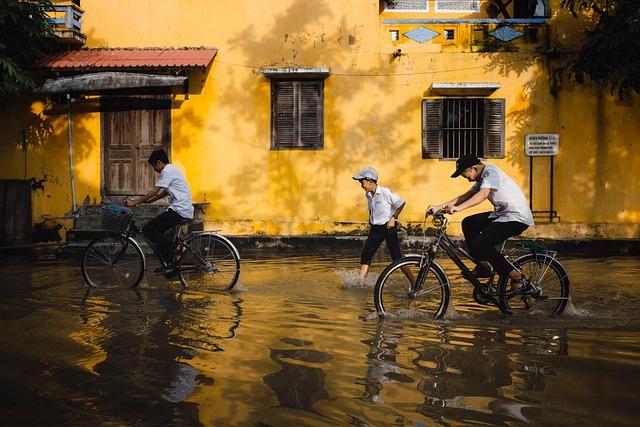
In a devastating turn of events, flooding in eastern Democratic Republic of Congo (DR Congo) has forced thousands from their homes, compounding the region’s ongoing humanitarian crisis amid deep-seated unrest. reports by the United Nations indicate that the rising waters have inundated villages, exacerbating the plight of communities already grappling with violence, displacement, and food insecurity. As international aid efforts ramp up to address these dual challenges, the situation remains dire, highlighting the urgent need for enduring solutions to restore stability and support the affected populations. The unfolding crisis underscores not only the fragility of the region’s infrastructure but also the critical intersection of natural disasters and human conflict in shaping the lives of countless individuals.
Impact of Flooding on Displaced Communities in Eastern DR Congo
The recent floods in eastern Democratic Republic of Congo have had a devastating impact on already vulnerable communities, further exacerbating the humanitarian crisis in the region. Thousands have been forced to flee their homes, leaving behind not only their possessions but also the remnants of their lives as instability and violence linger. Families are now crammed into temporary shelters, often lacking basic necessities such as clean water, food, and medical care. As reports indicate, this displacement could lead to long-term psychological and economic challenges for these communities, as they struggle to rebuild their lives amidst ongoing unrest.
Many displaced individuals are now reliant on humanitarian aid, which is increasingly difficult to deliver due to the combination of flooding and ongoing conflict. The situation is further complicated by the unique needs of vulnerable populations, such as women, children, and the elderly, who face heightened risks during these crises. Key needs include:
- Access to safe shelter: With structures damaged or destroyed, temporary shelters provide little solace.
- Food Security: Flooding has devastated agricultural lands, threatening the food supply.
- Healthcare Services: The risk of disease outbreaks increases,highlighting the need for medical assistance.
Assistance organizations are calling for urgent international support to address these needs, while local communities are advocating for comprehensive recovery plans that prioritize resilience against future disasters. Timely action is essential to prevent further deterioration of the living conditions for those displaced by floods and conflict.
Humanitarian response Challenges Amidst Political Unrest
The ongoing political unrest in eastern DR Congo has compounded the challenges faced by humanitarian organizations responding to the recent displacement caused by severe flooding. As communities grapple with the dual crises of environmental disaster and political instability, the capacity for aid delivery is critically hampered.Displaced families are often cut off from essential resources, facing dire shortages of food, clean water, and medical supplies. The security situation complicates the access of humanitarian workers, who are frequently caught in conflict zones, further exacerbating the suffering of vulnerable populations.
In the wake of these challenges, humanitarian agencies are striving to provide immediate assistance while navigating the obstacles created by the unrest. key priorities include:
- Establishing safe corridors for aid delivery to ensure that essential supplies reach those in desperate need.
- Community engagement to better understand the specific needs of displaced persons and develop appropriate support measures.
- Coordination with local authorities to enhance security and facilitate humanitarian efforts.
Despite these efforts, the situation remains precarious, as unpredictable violence continues to disrupt plans and delay aid distribution, leaving many families in desperation. In this context, support from international stakeholders is vital to sustain the humanitarian response and help restore stability to affected communities.
Strategic Recommendations for Immediate Relief and Long-term Stability
In response to the severe flooding and ongoing civil unrest in eastern DR Congo, a holistic approach is imperative to address both the immediate humanitarian needs and the longer-term challenges affecting the region. key stakeholders, including local governments, international agencies, and NGOs, must unite to provide essential aid and infrastructure support. Prioritizing urgent actions will include:
- Emergency Relief Operations: Quickly mobilizing rescue teams and providing food, water, and medical assistance to displaced populations.
- Temporary Shelter solutions: Setting up safe and accessible temporary housing to accommodate those affected by flooding.
- Community Engagement: Involving local leaders and citizens in the planning and execution of relief efforts to ensure relevance and effectiveness.
For sustainable recovery, the focus must shift towards strengthening local resilience and establishing a stable socio-political environment. Long-term strategies could involve:
- Infrastructure growth: Investing in flood-resistant infrastructure to protect communities from future disasters.
- Conflict Resolution Initiatives: Facilitating dialog among conflicting parties to promote peace and stability in the region.
- Economic Empowerment Programs: creating job opportunities and vocational training to support displaced individuals in rebuilding their lives.
| Focus Area | Short-Term Actions | Long-Term Strategies |
|---|---|---|
| Emergency Relief | Mobilize aid and resources | Establish ongoing support networks |
| Infrastructure | Build temporary shelters | Develop flood-resistant designs |
| Community involvement | Engage local leaders | Foster civic participation |
Closing Remarks
As the humanitarian crisis deepens in eastern Democratic Republic of the Congo, the dual challenges of natural disaster and sociopolitical strife continue to displace thousands of families. With floodwaters rising and insecurity persisting, urgent action from both local and international communities is essential to address the immediate needs of those affected. The UN and various humanitarian organizations are mobilizing resources to provide shelter, food, and medical support, yet sustainable solutions require a concerted effort to restore stability in the region. As the situation evolves, the resilience of the Congolese people remains a crucial beacon of hope amidst these overwhelming challenges. Continued vigilance and proactive engagement will be necessary to navigate the complexities of this crisis and pave the way for recovery and resilience in eastern DRC.










