
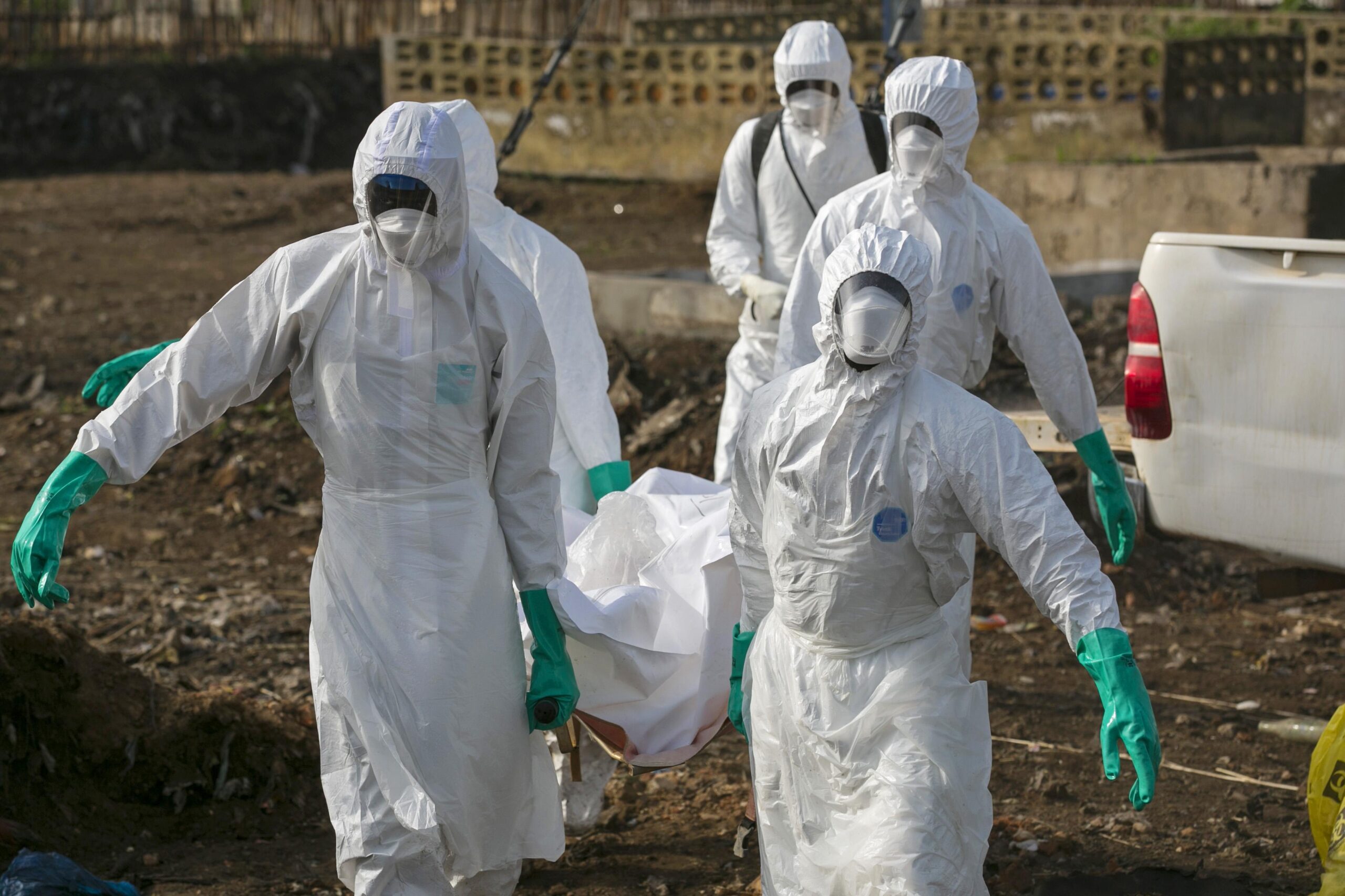
Surge in Suspected Ebola Cases in the Democratic Republic of the Congo Reaches 68
In a concerning development amid an ongoing health crisis, officials from the Democratic Republic of the Congo (DR Congo) have reported a significant increase in suspected Ebola cases, now totaling 68. This troubling rise, confirmed by health authorities and highlighted by the Center for Infectious Disease Research and Policy (CIDRAP), underscores an urgent need to address this deadly virus that has previously claimed lives in the region. As health professionals work diligently to implement containment measures and track virus transmission, both local and international responses are being mobilized to confront this escalating threat. The current outbreak raises serious questions about the effectiveness of existing strategies and highlights an immediate need for increased resources to combat one of humanity’s most dangerous infectious diseases.
Growing Alarm Over Ebola Cases in DR Congo
Health officials are grappling with a daunting situation as they report a worrying rise in suspected Ebola cases, which now include 68 individuals showing symptoms linked to this lethal virus. This surge follows the identification of an initial case in a remote area, triggering significant concern among public health officials who are racing against time to implement urgent containment measures. The provinces of Ituri and Tshuapa have emerged as critical areas for this outbreak, prompting calls for both local support and international assistance aimed at preventing further viral spread.
A coordinated response is currently underway as healthcare workers enhance surveillance efforts, emphasizing an essential requirement for comprehensive public health initiatives. Key actions being taken include:
- Vaccination campaigns targeting at-risk populations.
- Contact tracing initiatives, designed to identify individuals who may have been exposed to infected persons.
- A community education program, aimed at informing residents about prevention strategies and early signs of infection.
The World Health Organization (WHO) is actively involved by providing technical guidance and logistical support during this critical period. There is growing demand for increased participation from global partners as local healthcare systems face immense pressure. If not addressed promptly, Ebola outbreaks can escalate rapidly; thus swift action is imperative.
| Main Statistics | Status Update |
|---|---|
| Total Suspected Cases Reported: | 68 cases confirmed. |
| Affected Regions: | The provinces of Ituri and Tshuapa. |
Urgent Action Required: Awareness Initiatives by Health Officials
The increasing number of suspected Ebola cases necessitates heightened vigilance among health authorities across DR Congo’s regions. With 68 suspected infections reported so far, immediate action is crucial to mitigate further transmission risks associated with this outbreak. Local health departments are mobilizing resources towards prioritizing contact tracing efforts alongside immediate quarantines while launching community awareness campaigns focused on preventive measures against infection.
Critical response actions include:
- Tightened surveillance: Healthcare facilities must enhance monitoring protocols for symptoms indicative of Ebola while ensuring timely reporting mechanisms are established.
- Ebola vaccination initiatives: Immunization programs targeting frontline healthcare workers along with high-risk groups will commence once vaccine supplies become available.
- Pursuing public education campaigns: Informational outreach sessions will be initiated focusing on recognizing signs/symptoms related to Ebola along with preventive practices.
Nations neighboring DR Congo must also remain vigilant due to how easily transmissible the virus can be beyond current outbreak zones-contingency plans are being developed that ensure rapid response capabilities should circumstances worsen further.
The Role Of Community Engagement In Containment Efforts
The uptick in suspected cases emphasizes how crucial robust community engagement is when managing & mitigating potential spread caused by deadly viruses like Ebola . Local authorities stress implementing thorough educational outreach programs which provide essential information regarding transmission routes , symptom recognition , & effective preventative measures .
Key approaches :
- < li >< b >Engaging local leaders : Collaborating closely w/community chiefs/influencers helps effectively relay important messages bridging trust gaps between communities & medical professionals .< / li >< li >< b >Utilizing media platforms : Employing radio broadcasts/social media channels allows reaching wider audiences especially those residing remotely .< / li >< li >< b >Promoting hygiene practices : Teaching communities about handwashing importance/safe burial methods significantly reduces risk factors associated w/transmission .< / ul >
- < strong >Early detection : Establishing robust surveillance systems capable identifying/documenting new instances promptly .
- < strong >Access healthcare : Ensuring clear pathways exist allowing communities access necessary medical facilities/support alleviating fears surrounding treatment centers .
- < strong >Vaccination efforts : While vaccines aren’t widely accessible yet targeted campaigns directed towards high-risk populations could offer much-needed protection layer against disease spread .
/ tr >
/thead >/ tr >
/ tr />
Conclusion: A Call For Collective Action And Preparedness
As developments unfold within Democratic Republic Of The Congo’s situation regarding rising numbers linked back towards possible ebola infections – currently standing at sixty-eight – it serves reminder just how persistent challenges posed by such viruses remain prevalent throughout region today! Stakeholders including government agencies alongside various international organizations must collaborate closely together mitigate risks posed through further transmissions whilst supporting affected communities adequately! Global attention remains focused here emphasizing preparedness coupled swift decisive actions needed combat formidable threats like these head-on moving forward! Regular updates shall follow suit keeping everyone informed until investigations yield new findings emerge!Unlocking Tomorrow: H.E. Ambassador Duarte Lopes Shares Visionary Insights on Europe, North Africa, and the Mediterranean
During a recent event hosted by the Stimson Center, participants delved into a captivating discussion about the evolving relationships between...
Read moreDetails








Moreover , swift identification/isolation processes surrounding any suspect case becomes paramount if we wish contain ongoing outbreaks effectively ; hence interventions should focus primarily upon :

