
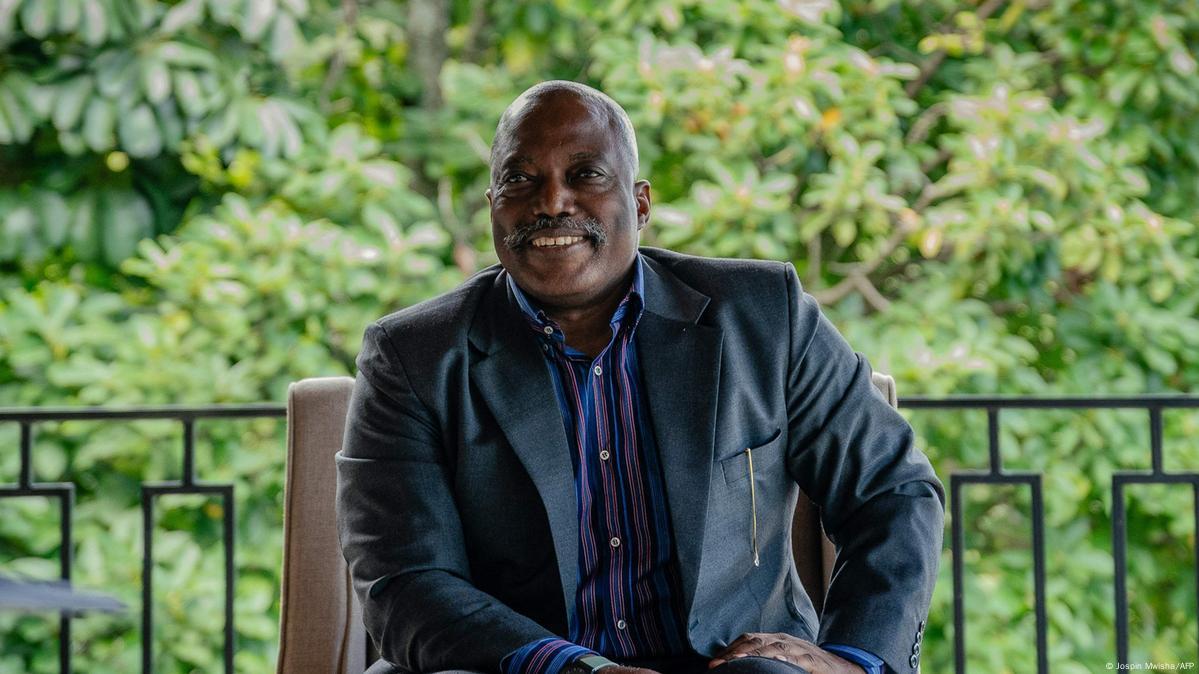
In a significant development for the Democratic Republic of the Congo, former President Joseph Kabila is set to face trial for treason, marking a watershed moment in the nation’s turbulent political history. Kabila, who ruled the country for 18 years before stepping down in 2019, has been a polarizing figure, with his tenure characterized by accusations of human rights abuses, electoral fraud, and political repression.As the trial begins, it not only raises questions about Kabila’s political legacy but also reflects the broader challenges of governance, accountability, and justice in a nation striving for stability after decades of conflict and corruption. This unprecedented legal proceeding against a former head of state is being closely monitored, both domestically and internationally, as it could set critical precedents for the rule of law in the DRC.
Joseph Kabila Faces Treason Charges Amidst Political Turmoil in DR Congo
Joseph Kabila, the former president of the Democratic Republic of the Congo, is facing a pivotal moment as he stands trial for treason, amidst escalating political tensions in the country. This unprecedented development marks a significant shift in the political landscape, as Kabila, who ruled for 18 years, has been a central figure in Congo’s turbulent governance. The charges come from accusations of a conspiracy against the state,with allegations that Kabila attempted to undermine the current administration in favor of a return to power. As the trial unfolds, it has drawn considerable attention from both national and international observers, highlighting ongoing concerns about the stability and democratic integrity of the nation.
The courtroom drama surrounds not only Kabila but a wider network of political allies and former officials who are implicated. Observers note that this trial could serve as a potential catalyst for change in the country’s political dynamics, opening doors for reform or further entrenching existing power struggles. Key aspects of the trial include:
- Political Allegiances: Who will stand by Kabila during these proceedings?
- International Reaction: How will global powers respond to these developments?
- Public Sentiment: Will the Congolese populace rally for reform or support their former leader?
As the proceedings continue, analysts are keen to see how the current government navigates these treason allegations, and what implications they will have for the future of political engagement in the DRC. The unfolding situation presents a complex interplay of law, politics, and public perception, with potential ramifications for social cohesion in a nation burdened by historical strife.
Legal Repercussions and Implications for Democratic Stability in the Region
The trial of former DR Congo President Joseph Kabila for treason marks a significant turning point in the political landscape of the region, potentially setting a precedent for accountability among political leaders. The legal ramifications of this case extend beyond Kabila himself; they may reshape public expectations regarding governance and integrity in leadership. In a country where political leaders have traditionally evaded justice, this trial could encourage citizens and civil society to demand greater transparency and accountability from current and future administrations.
Furthermore, Kabila’s trial may have profound implications for democratic stability in the DR Congo and its neighbors.Such high-profile legal proceedings can either bolster or undermine public trust in institutions, depending on their conduct and outcomes. Key factors influencing this dynamic include:
- Judicial Independence: A fair trial is essential for fostering credibility in the judicial system.
- Political Response: Reactions from current leaders and political parties will be closely watched.
- Public Engagement: Active civic participation can lead to heightened awareness and vigilance regarding governance issues.
In understanding these elements, it’s vital to consider the broader regional context, where instability can have ripple effects across borders. Countries sharing a similar political legacy may look to the outcome of Kabila’s trial as a signal for their own governance challenges, thus reinforcing or threatening democratic norms.
International Reactions and Calls for Accountability in Post-Kabila Politics
The trial of former DRC President Joseph Kabila for treason has elicited a spectrum of responses from the international community, with some nations calling for a robust framework to ensure accountability in the nation’s political landscape.Human rights organizations have lauded the prosecution as a pivotal step towards reform and rule of law, emphasizing the necessity for clear governance. Conversely, certain regional powers have voiced concerns about the potential destabilization of the DRC, pleading for caution in the judicial approach to Kabila’s past administration.
Global leaders and diplomats are closely monitoring the unfolding events, signaling a shift towards greater scrutiny of political leaders in Africa. Key responses include:
- United Nations: Urged a fair trial and adherence to human rights standards.
- European Union: Encouraged continued reforms to advance democratic governance.
- African Union: Advocated for dialog among political factions to prevent unrest.
Considering the trial, commentators are emphasizing the importance of holding former leaders accountable, citing it as essential for fostering a culture of transparency and integrity in future governance. This case could set an critically important precedent in the region, influencing how former leaders are treated in the aftermath of their tenures.
Concluding Remarks
the trial of Joseph Kabila marks a significant chapter in the ongoing political evolution of the Democratic Republic of the Congo. As the former president faces serious charges of treason,the court proceedings are poised to shed light not only on Kabila’s controversial leadership but also on the broader issues of governance,accountability,and civil rights within the nation. Observers will be watching closely as the trial unfolds, understanding that the outcome could have far-reaching implications for the stability of the DRC and the integrity of its political institutions. As the nation grapples with its history, this moment may serve as a crucial turning point in the quest for justice and a better future for its citizens.










