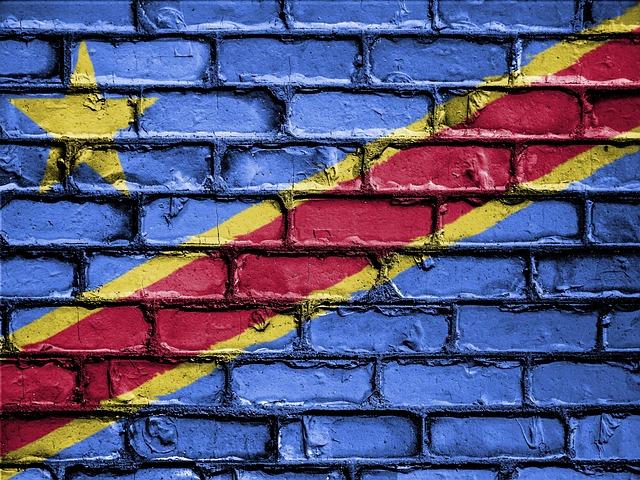
Democratic Republic of the Congo: OCHA’s Mission Amidst Humanitarian Crisis
In the heart of Central Africa lies the Democratic Republic of the Congo (DRC), a nation rich in natural resources yet riddled with challenges that have precipitated one of the world’s most staggering humanitarian crises.As conflicts rage on and the effects of climate change take their toll, millions of Congolese find themselves in dire need of assistance. The United Nations Office for the Coordination of Humanitarian Affairs (OCHA) plays a pivotal role in addressing these urgent needs, coordinating relief efforts and mobilizing resources to reach vulnerable populations. With the continuing instability exacerbating issues such as displacement, food insecurity, and disease outbreaks, OCHA’s strategic interventions are more crucial than ever. This article delves into the ongoing challenges facing the DRC, the essential work of OCHA, and the broader implications for international humanitarian efforts in one of the most complex crises of our time.
Humanitarian Crisis in the Democratic Republic of the congo Demands Urgent Attention
The humanitarian situation in the Democratic Republic of the Congo (DRC) has reached a critical juncture, with millions of vulnerable individuals facing dire conditions. With ongoing conflict, widespread displacement, and severe economic challenges, the DRC is in dire need of immediate international support. According to the United Nations Office for the Coordination of Humanitarian Affairs (OCHA), over 26 million people require assistance, highlighting the urgency of immediate interventions. The complex interplay of violence, poverty, and health crises has compounded the suffering of the Congolese population, making humanitarian access increasingly difficult.
Considering these overwhelming challenges, several key areas demand focused attention:
- Protection of Civilians: ensuring safety for those affected by armed conflicts and preventing gender-based violence.
- Food Security: Addressing the alarming rates of malnutrition,particularly among children and pregnant women.
- Health Services: Expanding access to essential health care, including vaccinations and maternal health support.
- Water and Sanitation: Improving access to clean water and proper sanitation facilities to prevent disease outbreaks.
As the situation grows increasingly precarious, the urgency for a coordinated response from global partners has never been clearer. Without immediate action,the cycle of suffering will only escalate,leading to irreversible damage to the fabric of Congolese society.
OCHA Responses: Assessing the Impact of Aid Efforts on Vulnerable Populations
The Office for the Coordination of Humanitarian Affairs (OCHA) has been actively engaged in the Democratic Republic of the Congo (DRC), addressing the multifaceted crises faced by vulnerable populations. Aid efforts have focused on several key areas to mitigate the devastating impacts of conflict and environmental challenges, resulting in both short-term relief and long-term support. Recent assessments indicate profound improvements in specific sectors, including:
- Healthcare Access: Initiatives to improve healthcare facilities have led to a notable reduction in disease prevalence and increased immunization rates.
- Food Security: Distribution of food assistance and agricultural support has strengthened the capacity of local communities to combat hunger.
- Protection Services: Enhanced measures for protecting women and children from violence have seen a rise in reported cases being addressed.
despite these strides, challenges remain, particularly in remote regions where logistical constraints hinder the delivery of aid. OCHA’s ongoing efforts aim to bolster infrastructure and streamline operations, ensuring that support reaches those most in need. Additionally,community engagement has been a critical component of their strategy,empowering local populations to actively participate in the planning and implementation of aid initiatives. By fostering local ownership and resilience, OCHA is laying the groundwork for lasting progress and stability in the long term.
Pathways to Recovery: Strategic Recommendations for Sustainable Humanitarian Solutions
In the complex landscape of humanitarian needs in the Democratic Republic of the Congo (DRC), addressing the root causes of crises has become paramount for achieving sustainable recovery. To this end, a multi-faceted approach that promotes community resilience and leverages local resources is essential. Key strategies should include:
- Enhancing local governance by empowering community leaders and organizations to play a pivotal role in decision-making.
- Establishing robust partnerships with local NGOs to ensure that humanitarian aid not only meets immediate needs but also fosters long-term development.
- Implementing capacity-building programs that equip local communities with the skills and knowledge to sustain their recovery efforts independently.
Furthermore,a focus on inclusive development is vital to ensure no segment of the population is left behind. to create lasting change, humanitarian actors must look beyond immediate relief and engage in efforts that promote equity and social cohesion.Essential recommendations include:
- Advocating for gender equity by empowering women and girls, ensuring their active participation in recovery processes.
- Integrating conflict sensitivity into all humanitarian initiatives, recognizing and addressing the underlying tensions that can impede recovery.
- Fostering sustainable livelihoods through vocational training and support for local entrepreneurship that align with community needs.
Key Takeaways
the humanitarian situation in the democratic Republic of the Congo remains critical, necessitating urgent attention and sustained international support. The Office for the Coordination of Humanitarian Affairs (OCHA) plays a crucial role in coordinating relief efforts and ensuring that aid reaches those most in need amidst ongoing conflicts and political instability. As we reflect on the challenges faced by millions of Congolese, it becomes increasingly clear that a extensive approach, combining immediate humanitarian assistance with long-term strategies for peace and development, is vital. The international community’s engagement is more important than ever to foster stability and improve the lives of those affected.With ongoing efforts and commitment, there is hope that the DRC can emerge from this cycle of crisis towards a more resilient future.