
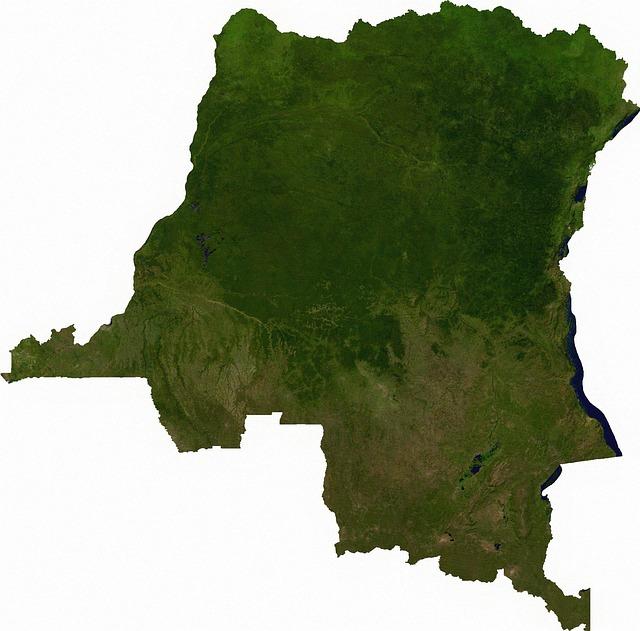
In the heart of Central Africa, the Democratic Republic of the Congo (DR Congo) remains a complex tapestry of challenges, where aspirations for peace often clash with the reality on the ground.Despite recent reports highlighting advancements in governance, infrastructure, and diplomatic efforts that suggest a shift towards stability, a senior United Nations official has emphasized that true peace continues to elude the nation. As the UN Peacekeeping mission grapples with ongoing violence, humanitarian crises, and deep-seated societal divisions, the promise of lasting tranquility appears distant. this article delves into the paradox of progress on paper against the backdrop of enduring conflict, shedding light on the multifaceted dynamics at play in one of the world’s most resource-rich yet tumultuous regions.
DR Congo Struggles with Persistent Conflict Amidst Reported Progress in Peace Initiatives
The Democratic Republic of the Congo (DRC) continues to grapple with ongoing violence and instability, despite various peace initiatives that have been touted as progress by international observers, including a senior United Nations official. The UN’s latest reports indicate that even though numerous agreements have been reached, the ground reality remains troubling, marked by sporadic outbreaks of violence, especially in the eastern regions. This contradiction raises concerns about the effectiveness of peace-building efforts, as local communities remain caught in a cycle of fear and displacement, compounding the complexities of establishing long-term peace.
Key challenges that hinder the effective implementation of peace initiatives include:
- Persistent Armed Conflicts: Various militia groups and factions continue to engage in clashes, undermining stability.
- Weak Governance: Corruption and lack of infrastructure plague efforts to enforce peace agreements.
- Humanitarian Crisis: Millions remain displaced, facing dire conditions that exacerbate tensions.
- International support Gaps: Inconsistent commitment from global stakeholders affects resource allocation and intervention strategies.
Thes factors collectively contribute to a situation where the perceived advancements in diplomatic dialog and strategy remain overshadowed by the stark realities faced by the Congolese population. Without considerable,coordinated efforts to address these root issues,the dream of a peaceful nation will continue to be a distant aspiration for many.
UN peacekeeping Official Calls for Enhanced International Engagement to Sustain Stability
Amid ongoing challenges in the Democratic Republic of the Congo (DRC), a senior UN peacekeeping official has emphasized the critical need for enhanced international involvement to bolster efforts for lasting peace and stability. While there are indicators of progress, including improvements in governance and the strengthening of local institutions, the reality on the ground reveals a more elaborate picture. Reports of violence, notably in eastern regions, undercut the advancements that are celebrated on paper. The official highlighted that without sustained and cohesive international attention, these achievements risk being undermined by persistent insecurity and humanitarian crises.
In addressing the complexities of peacekeeping in the DRC, the UN official outlined several key areas where international engagement can make a important difference:
- Increased funding: Adequate financial resources are essential to support peacekeeping operations and progress initiatives.
- Collaborative security efforts: A cooperative approach involving local and regional actors can enhance security and create a more stable habitat.
- Humanitarian support: Addressing the needs of displaced populations and vulnerable communities is crucial for long-term stability.
- Diplomatic initiatives: Stronger diplomacy can definitely help mediate conflicts and foster dialogue between various stakeholders.
The call for action underscores the urgency of fostering a complete strategy that prioritizes both immediate security needs and long-term development objectives to ensure that the hope for a peaceful future in the DRC is not just an aspiration, but a realized goal.
Community Voices Highlight the Gaps Between Policy and Reality in DR Congo’s Peace efforts
The ongoing efforts to establish lasting peace in the Democratic Republic of the Congo (DRC) reveal a stark contrast between high-level policy proclamations and the lived realities of communities affected by years of conflict. local voices emphasize that while government and international entities tout progress in reports, the ground situation tells a different story. Community leaders, women’s activists, and displaced persons articulate their frustrations, shedding light on persistent security threats, socio-economic instability, and the lack of effective governance. The disconnect between the rhetoric of peace talks and the everyday experiences of those in conflict zones is exemplified by testimonies of families still living in fear of violence and displacement, illustrating a significant gap that must be addressed for authentic progress to occur.
Moreover, the response of peacekeeping forces and local authorities further complicates the situation. Reports from the field indicate that despite the presence of international peacekeepers, many communities feel abandoned and under-protected. Frequently enough cited issues include:
- Inadequate resource allocation for local peacebuilding initiatives.
- Slow response times to violent incidents.
- Insufficient engagement with local leaders and civil society organizations.
The voices from these communities are clear: without genuine collaboration and a commitment to addressing their specific needs, the promises made in conference rooms and diplomatic discussions will remain unfulfilled, leaving peace an elusive goal for the DRC.
Future Outlook
while the recent statements from UN officials highlight certain strides made in the Democratic Republic of the Congo, the reality on the ground remains fraught with challenges. The dichotomy between documented progress and the lived experiences of congolese citizens underscores the complexity of the situation. As the nation navigates its path toward stability, the international community’s role will be crucial in supporting meaningful and sustainable change. The call for a renewed commitment to peace is unmistakable, reminding us that true progress extends beyond statistics and resolutions. The people of DR Congo look toward a future where peace is not just a concept on paper, but a lived reality. As this situation develops, attention will need to remain focused on ensuring that both diplomatic efforts and ground-level initiatives can effectively address the underlying issues, paving the way for lasting stability in the region.










