
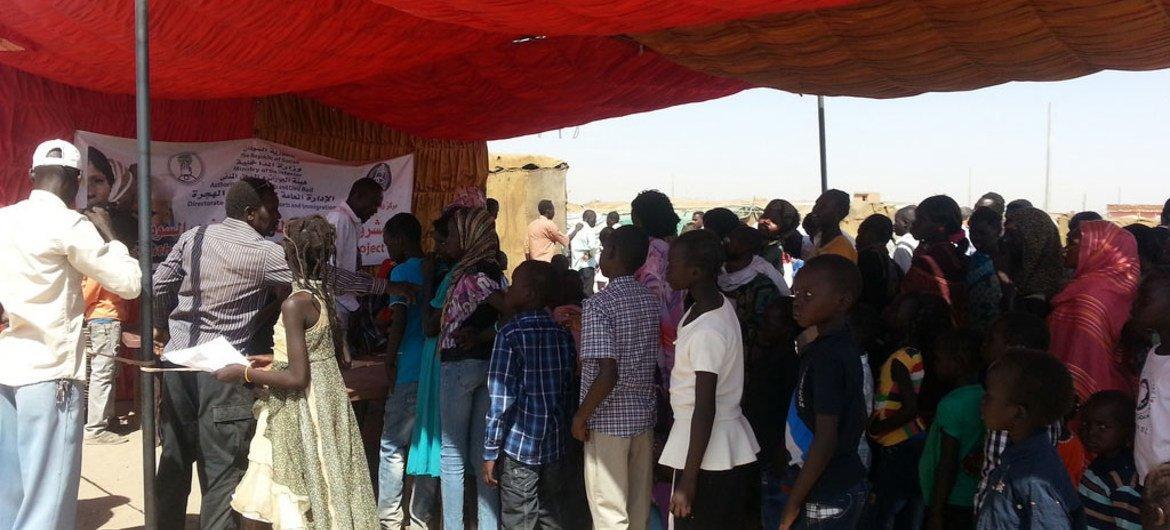
In a pressing update from the United Nations High Commissioner for Refugees (UNHCR), the agency has raised alarms over the escalating humanitarian crisis stemming from the ongoing conflict in Sudan’s Darfur region. As violence intensifies and security conditions deteriorate, thousands of Sudanese refugees are pouring into neighboring Chad, exacerbating an already dire situation. The UNHCR is calling for immediate international support to address the soaring needs of this vulnerable population, which faces notable challenges in securing basic necessities such as shelter, food, and healthcare. With estimates of refugee numbers rising sharply, the urgency for action has never been greater to alleviate the suffering and uphold the dignity of those fleeing conflict in search of safety.
UNHCR Urges Immediate Support as Influx of Sudanese Refugees Strains Resources in Chad
The ongoing conflict in Sudan has resulted in a significant surge of refugees fleeing to Chad, especially from the region of Darfur. The United Nations High Commissioner for Refugees (UNHCR) has reported that the abrupt increase in arrivals has placed an immense strain on available resources. Over 300,000 Sudanese have sought asylum in Chad as the beginning of hostilities, with many arriving in urgent need of basic humanitarian assistance, including food, shelter, and medical care. The agency warns that without immediate support from the international community, those affected may face dire consequences, exacerbating an already precarious situation in the region.
To enhance the response to the crisis, UNHCR has called for a coordinated effort among governments, humanitarian organizations, and stakeholders. Key areas needing urgent intervention include:
- Emergency relief supplies: Provision of food, water, and sanitation facilities.
- Healthcare services: Access to medical treatment for those affected by conflict and disease.
- Protection services: Safeguarding the rights and well-being of refugees, especially women and children.
- Education: Ensuring access to educational opportunities for refugee children to foster their advancement and future prospects.
| Assistance Type | Estimated Need | Current Status |
|---|---|---|
| Food Aid | 1 million people | Insufficient supplies |
| Medical Services | 500,000 individuals | Under-resourced clinics |
| Sanitation Facilities | 250,000 refugees | Lack of infrastructure |
Humanitarian Crisis Deepens: Urgent Needs Identified for Displaced Families from Darfur
The ongoing conflict in Darfur has led to a significant influx of displaced families seeking refuge in Chad, prompting the United Nations High Commissioner for Refugees (UNHCR) to express grave concerns regarding the escalating humanitarian crisis. Recent assessments indicate that the urgent needs of these families are becoming increasingly dire, necessitating immediate attention from the international community. Key areas of need include:
- Access to Clean Water: Many displaced individuals are reliant on limited water sources, exacerbating health risks.
- Food Security: Families face severe shortages of essential food items, with malnutrition rates rising alarmingly.
- Healthcare Services: The lack of medical facilities has left vulnerable populations without essential healthcare, including maternal and child health services.
- Emergency Shelter: Temporary housing solutions are urgently required to protect families from the elements.
In response to these alarming needs, UNHCR has called for immediate funding and support to address the crisis effectively. A recent survey conducted among displaced families highlights the alarming conditions they are facing:
| Need | Percentage of Families Affected |
|---|---|
| Food Insecurity | 87% |
| Lack of Access to Clean Water | 73% |
| Health Issues | 65% |
| Inadequate Shelter | 79% |
This comprehensive overview underscores the critical situation faced by displaced families from Darfur, urging humanitarian organizations and governments to mobilize resources swiftly to alleviate suffering and provide the necessary support for recovery and stability.
Call for Action: Recommendations for Addressing the Rising Challenges Facing Refugees in Chad
The ongoing influx of Sudanese refugees into Chad has reached alarming levels, necessitating immediate and coordinated efforts to address their growing needs. Humanitarian actors are called upon to prioritize the integration of services that provide essential support, focusing on food security, shelter, health care, and education. Key recommendations include:
- Enhancing humanitarian coordination: Establish a multi-agency task force to streamline the response and allocate resources efficiently.
- Strengthening community engagement: Involve local populations in the planning and delivery of services to foster solidarity and reduce tensions between host communities and newcomers.
- Expanding access to essential services: Improve infrastructure and supply chains to ensure timely delivery of food, sanitation, and health care services.
Moreover,it is indeed imperative to address the root causes of displacement whilst ensuring the protection of refugees. This includes advocating for the rights of refugees and displaced persons,facilitating their legal documentation,and promoting livelihood opportunities. Key strategies should encompass:
- Establishing legal pathways: Support initiatives that allow refugees to access work permits and vocational training programs.
- Increasing funding for education: Invest in educational facilities to meet the needs of both refugee and local children, promoting social cohesion.
- Implementing psychosocial support programs: Provide mental health resources to help refugees cope with the trauma of displacement and loss.
Concluding Remarks
As the situation in Darfur continues to deteriorate, the influx of Sudanese refugees into Chad presents an urgent humanitarian crisis that demands immediate attention and action. The UNHCR’s warning about soaring needs highlights the dire circumstances faced by these displaced populations, who arrive in Chad seeking safety and sustenance. With aid organizations grappling to respond amid rising numbers, it is indeed imperative that the international community mobilizes resources and support for both the refugees and the host communities. The challenges ahead are significant, yet the collective response can play a crucial role in alleviating the suffering of those fleeing violence and uncertainty. As the crisis unfolds, the resilience of the affected populations and the commitment of humanitarian actors will be tested, underscoring the need for a coordinated and sustained effort to address this complex emergency.










