
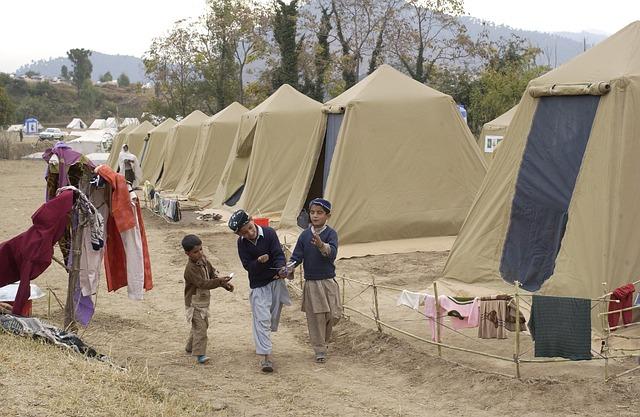
In recent weeks, a distressing surge in the number of Sudanese refugees seeking safety in Chad has prompted urgent warnings from the United Nations. As the conflict in Sudan escalates, thousands are fleeing their homes in search of refuge, overwhelming Chad’s already strained resources. The UN has reported alarming figures, indicating an unprecedented influx that puts immense pressure on humanitarian efforts in the region. With Chad bordering Sudan to the west, the situation has become increasingly dire, raising concerns about the long-term implications for both nations and the stability of the wider Central African region. This article delves into the factors fueling this refugee crisis, the response from humanitarian organizations, and the challenges ahead as Chad braces for what could be a protracted emergency.
Sudan’s Crisis Fuels Unprecedented surge in Refugees Seeking safety in Chad
As violence escalates in Sudan, the number of refugees spilling into Chad has reached staggering levels, prompting urgent humanitarian responses.Reports indicate that thousands of individuals are crossing the border daily, burdened with the trauma of conflict and a desperate need for safety. The situation is particularly dire for vulnerable groups, including women, children, and the elderly, who often embark on perilous journeys, facing numerous challenges along the way. key factors contributing to this unprecedented exodus include:
- Intensified armed clashes in various Sudanese regions.
- Food shortages and deteriorating living conditions.
- Targeted attacks on civilians and humanitarian workers.
- Fear of persecution based on ethnicity or political alignment.
Local authorities and humanitarian organizations in Chad are struggling to cope with the influx. The Chad government has called for international support to assist with humanitarian aid, emphasizing the importance of providing shelter, food, and medical care. In recent estimates, the UN has reported that the number of refugees may exceed 1 million by the end of the year. To provide clarity on the ongoing crisis, the table below outlines the key statistics related to refugee movements and aid interventions:
| Statistic | Current Figures |
|---|---|
| Projected Refugees by Year-End | 1,000,000+ |
| daily Refugee Arrivals | Over 2,500 |
| Humanitarian aid Required (USD) | 200 million |
| percentage of Women and Children | 72% |
UN Calls for Urgent Humanitarian Response Amidst Growing Refugee influx
The United Nations has issued a clarion call for an immediate humanitarian response as the situation escalates in Sudan, leading to an alarming increase in the number of refugees seeking safety in Chad. As violence engulfs various regions in Sudan, families are fleeing their homes, driven by the urgent need for security and basic necessities. This mass exodus has created an overwhelming burden on Chad, a nation already grappling with its own economic challenges and resource constraints. The UN reports that the recent influx has surpassed initial projections, raising concerns over the sustainability of aid efforts and the potential humanitarian crisis that could emerge if assistance is not rapidly scaled up.
Key challenges in addressing this crisis include:
- Resource Allocation: The ongoing influx demands immediate resources, including food, shelter, and medical assistance.
- Access to Refugees: Aid organizations must navigate complex logistical challenges to reach the most affected areas.
- Health Risks: New refugee arrivals increase the risk of communicable diseases,necessitating urgent health interventions.
In light of these pressing needs, a coordinated response involving governments, non-governmental organizations, and international bodies is crucial. The UN’s appeal emphasizes the importance of solidarity and assistance to mitigate the suffering of those fleeing violence and persecution.Failure to act swiftly could exacerbate an already precarious humanitarian situation, resulting in dire consequences for both refugees and host communities.
Addressing the Challenges: Solutions Needed to Support Sudanese Refugees in Chad
The influx of Sudanese refugees into Chad has underscored an urgent humanitarian crisis that demands immediate action from both local and international stakeholders. Supporting the basic needs of these vulnerable populations requires a multipronged approach.Essential services, such as food, water, and healthcare, must be prioritized to alleviate the suffering of those who have fled conflict.Coordination between government bodies, non-governmental organizations (NGOs), and UN agencies is crucial to create a unified response to this growing challenge. Furthermore, community engagement will be vital in ensuring that aid reaches those most in need, fostering solidarity among host communities and refugees alike.
To effectively address this crisis, innovative solutions must be implemented. Possible interventions include enhancing access to asylum processes, providing legal assistance, and creating livelihood programs to empower refugees economically. Establishing temporary shelters that meet health and safety standards is necessary to minimize overcrowding. Additionally, countries in the region can benefit from sharing resources and knowledge to create a more effective response strategy. The global community must also step up by providing funding and technical support to Chad, enabling the country to rise to this challenge and uphold the dignity of those seeking refuge from violence.
to sum up
the alarming rise in Sudanese refugees crossing into Chad underscores the urgent need for a coordinated international response to this escalating humanitarian crisis. As conflict and instability continue to plague Sudan,the influx of displaced individuals places immense strain on Chad’s already limited resources and humanitarian infrastructure. The United nations and various NGOs are calling for increased support and intervention to assist both refugees and host communities, emphasizing the importance of solidarity and immediate action. As the situation develops, the global community must prioritize efforts to ensure the safety and well-being of those fleeing violence, while addressing the root causes of this displacement. The eyes of the world remain firmly fixed on the border, as the plight of these refugees continues to unfold.










