
Central African Republic Country Climate and growth Report: challenges and Opportunities Unveiled
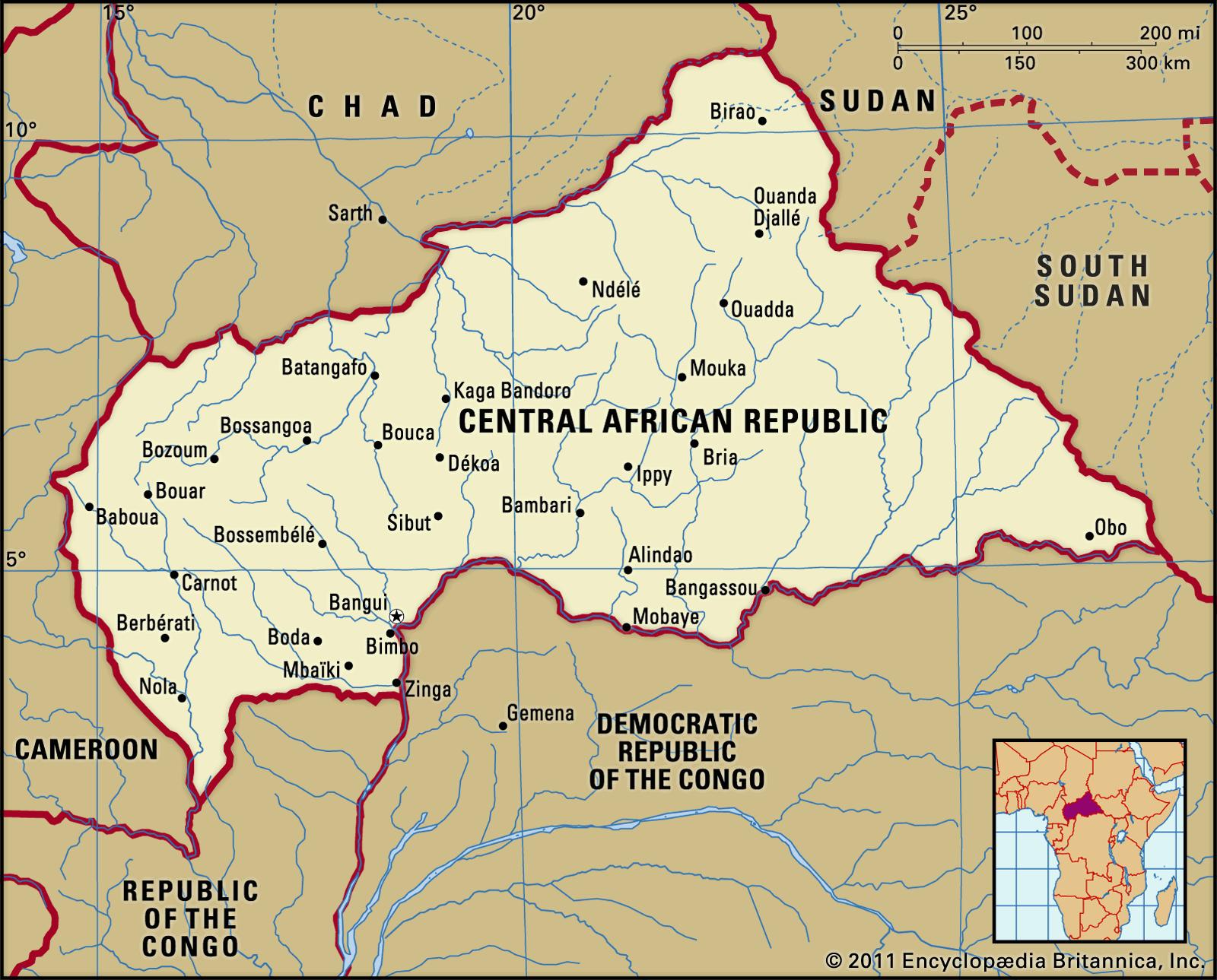
In a world increasingly beset by the impacts of climate change, countries like the Central African Republic (CAR) stand at a critical intersection of environmental vulnerability and development potential. A newly released report on ReliefWeb outlines the intricate relationship between climate dynamics and the socio-economic landscape of this landlocked nation, offering a thorough analysis that highlights both the pressing challenges it faces and the opportunities that lie ahead. With climate-related events intensifying, this report illuminates the urgent need for a holistic approach to development that integrates sustainable practices and resilience-building strategies. As CAR grapples with its unique set of circumstances, the findings serve as a clarion call for policymakers, humanitarian organizations, and local communities to forge a path toward a more sustainable and secure future.
Central African Republic Faces Climate Challenges Amidst Development Struggles
The Central African Republic (CAR) is grappling with profound climate challenges that are exacerbating its ongoing development struggles. The country is experiencing extreme weather events,including prolonged droughts and unpredictable rainfall patterns,which threaten its agricultural output—a crucial lifeline for the majority of its population. As food security dwindles,the risks of malnutrition and economic instability rise,especially in rural areas where communities are heavily dependent on subsistence farming.This situation is aggravated by inadequate infrastructure and limited access to resources, further hampering efforts to establish a resilient agricultural framework.
The interplay between climate change and socio-economic development in CAR reveals a complex web of vulnerabilities. Communities are increasingly finding themselves trapped in a cycle of poverty and environmental degradation. The government,along with international partners,must prioritize sustainable development strategies that incorporate climate resilience. Key initiatives could include:
- investing in Climate-Resilient Agriculture: Introducing drought-resistant crop varieties and sustainable farming techniques.
- Enhancing Water Management: Developing rainwater harvesting systems and better irrigation practices.
- capacity Building: providing training and resources to local farmers to adapt to changing weather patterns.
Addressing these challenges is crucial not only for CAR’s immediate recovery but also for fostering a sustainable future where development and environmental conservation go hand in hand.
Impact of Extreme weather on Agriculture and Livelihoods in the Central African Republic
The Central African Republic (CAR) is experiencing a important shift in its agricultural landscape due to the increasing frequency and intensity of extreme weather events. Climate-related disruptions, such as prolonged droughts and unpredictable rainfall patterns, have severely impacted smallholder farmers who rely on traditional farming practices for their livelihoods. This has led to a decrease in crop yields, threatening food security and exacerbating poverty levels in rural communities. Farmers are reporting a shift in planting seasons, which complicates their ability to plan effectively for the year ahead.
In addition to crop failures, extreme weather phenomena such as floods have led to significant land degradation. This degradation not only impacts agricultural productivity but also contributes to loss of livestock, which serves as a vital source of income for many households. The following challenges have emerged consequently:
- Increased Food Insecurity: Limited access to staple crops leads to rising market prices and malnutrition.
- Economic Instability: Smallholders face diminishing returns as input costs rise without corresponding harvests.
- Migration Pressures: Families are compelled to seek alternative livelihoods,often leaving rural areas for urban centers,straining resources there.
Reduction in agricultural productivity and worsening livelihood conditions have made it critical for stakeholders to adopt adaptable, sustainable practices. The government, NGOs, and international bodies are called upon to develop strategies that not only address immediate humanitarian needs but also enhance the resilience of the agricultural sector.
Strategic Recommendations for Sustainable Development and climate Resilience in CAR
To enhance sustainable development and bolster climate resilience in the Central African Republic, it is imperative to adopt a multifaceted strategy that encompasses economic, environmental, and social dimensions. Strengthening governance and institutional frameworks is crucial to ensure effective implementation of policies aimed at sustainability. This includes enhancing local capacities for environmental management, promoting participatory decision-making processes, and increasing clarity in resource allocation. moreover, investments in renewable energy sources should be prioritized to reduce dependency on fossil fuels, while also addressing energy poverty. To aid farmers in adopting climate-smart agricultural practices, it is essential to establish extension services that can provide training and resources, thereby improving food security and livelihoods.
Collaboration among various stakeholders, including government agencies, NGOs, and community groups, will be vital in driving forward these recommendations. Key areas for focused investment include water resource management, ecosystem restoration, and biodiversity conservation. By fostering public-private partnerships, the country can leverage additional funding and technology to mitigate climate impacts. Additionally, establishing robust monitoring and evaluation frameworks will help track progress and adapt strategies as necessary. Enhanced climate education and awareness initiatives should also be implemented to empower communities, ensuring that they are well-informed about the threats posed by climate change and the strategies available for combatting them.
The Conclusion
the “Central African Republic Country Climate and Development Report” highlights the critical intersection of climate change and development challenges facing one of Africa’s most vulnerable nations. As the report underscores, addressing the environmental and developmental needs of the Central African Republic is not just a local concern but a global imperative. Stakeholders, including policymakers, international organizations, and local communities, must prioritize collaborative efforts to foster resilience and sustainable growth. With comprehensive strategies and targeted investments, there remains an opportunity to pave the way for a brighter, more stable future for the Central African Republic. As the world focuses on climate action, the findings of this report serve as a poignant reminder that the path to recovery and development is intricately linked to our ability to confront the pressing challenges of a changing climate.










