
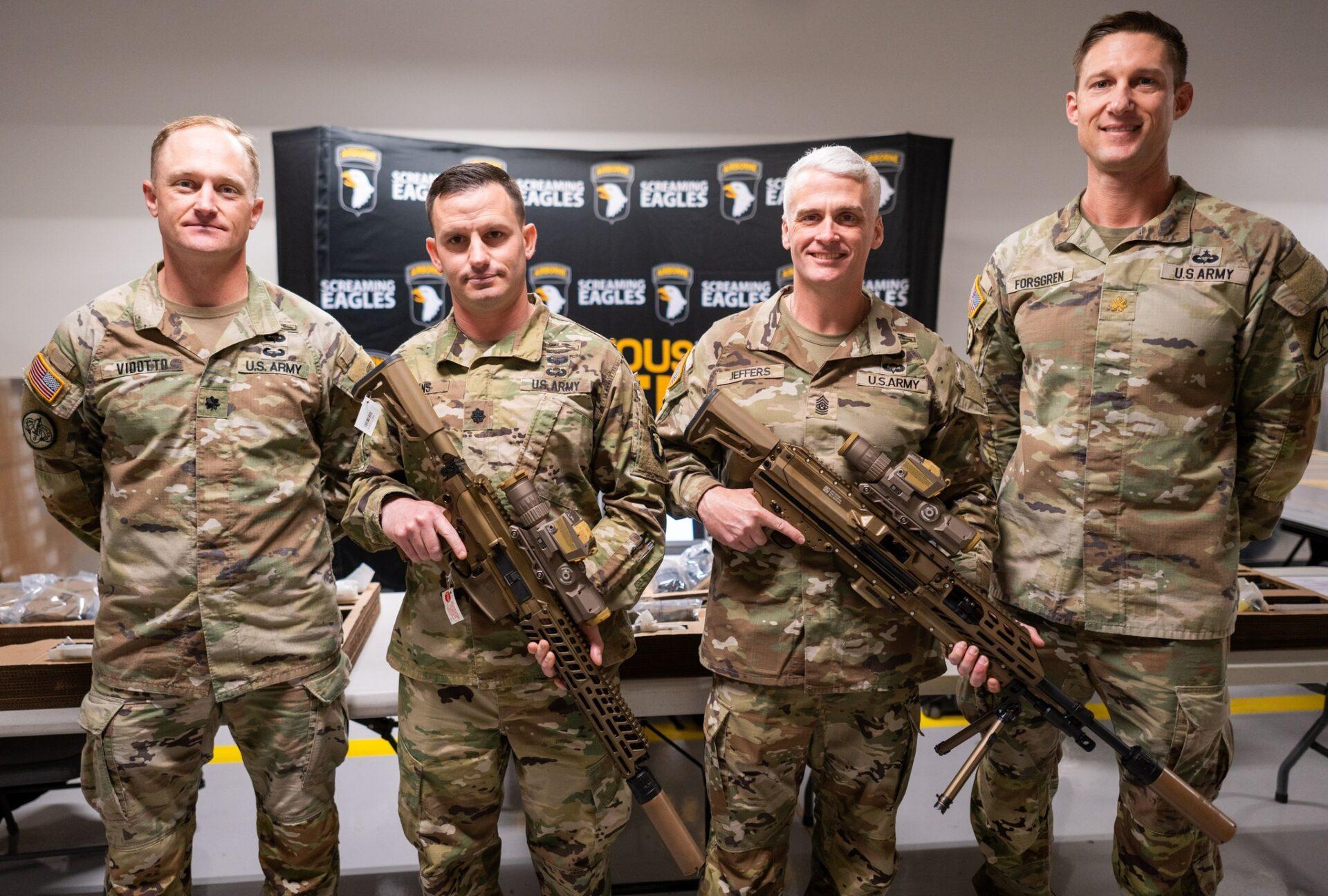
U.S. Army Leads Professional Military Exchange in the Central African Republic
In a meaningful move to enhance military cooperation and strengthen ties in Central Africa, the U.S. Army has taken the lead in a professional military exchange program in the Central African Republic (CAR). This initiative, aimed at fostering military professionalism and operational readiness, reflects the United States’ commitment to supporting partner nations in their efforts to promote security and stability in the region.As the CAR continues to navigate complex security challenges,the expertise and collaborative engagement provided by the U.S. Army are poised to play a crucial role in shaping the future of military operations and partnerships in Central Africa. This article explores the objectives, activities, and anticipated outcomes of this strategic military exchange, highlighting its importance in fostering peace and security in a region marked by historical conflict and ongoing humanitarian crises.
U.S. Army Enhances Military Collaboration in the Central African Republic
The U.S. Army has taken significant steps to foster military cooperation and enhance security capabilities in the Central African Republic (CAR). Recently,U.S. military personnel conducted a series of professional military exchanges with local forces, strengthening bilateral relations and mutual understanding. These exchanges focused on various key areas, including:
- Strategy formulation: Joint workshops aimed at developing strategic frameworks for regional stability.
- Operational tactics: Training sessions designed to share effective military tactics and methodologies.
- Humanitarian assistance: Collaborative efforts in disaster response and public health initiatives.
Moreover, the engagements allowed for an open dialog on security challenges facing the region, with U.S. Army representatives providing insights on intelligence-sharing and logistical support. The integration of modern military practices into the CAR’s operational framework is viewed as a pivotal step towards achieving long-term peace and stability. A recent training exercise showcased the readiness and adaptability of CAR forces, highlighting the importance of ongoing cooperation.This initiative is part of a broader U.S. strategy to build resilient partner nations in Africa, ensuring a unified approach to address emerging threats.
Insights into the Strategic Importance of Professional Military Exchanges
Professional military exchanges serve as a cornerstone for enhancing international defense relationships, particularly in regions like the Central African Republic (CAR). By facilitating these exchanges, the U.S. Army cultivates mutual understanding and collaboration among allied forces. This strategic initiative not only fortifies military capabilities but also promotes stability and security within the region. Engaging with local military personnel through training programs and operational scenarios fosters shared knowledge, essential for addressing common threats and operating effectively in joint missions.
The benefits of these military exchanges extend beyond immediate tactical advantages. They contribute to capacity building and the enhancement of local military structures, ensuring that regional forces can independently uphold their sovereignty and respond to crises. Additionally, the cultural exchange nurtured through these interactions leads to stronger bonds between the U.S.and partner nations, promoting long-term peace and cooperation. Below is a brief overview of the key benefits derived from professional military exchanges:
| key Benefits | Description |
|---|---|
| Capacity Building | Enhances the skills and readiness of local military forces. |
| Cultural understanding | Builds interpersonal relationships and mutual respect. |
| Joint Operations | Facilitates seamless collaboration during multinational missions. |
| Stability Promotion | Contributes to national and regional security postures. |
Recommendations for Strengthening U.S.-Central African Defense Partnerships
To enhance defense partnerships between the United States and Central African nations, it is imperative to focus on robust training programs and expand joint military exercises. emphasizing case-based learning and hands-on experience,these initiatives should encompass the following elements:
- increased frequency of bilateral military training exercises,focusing on counterterrorism and peacekeeping operations.
- Growth of language and cultural exchange programs to improve dialogue and cooperation on the ground.
- Support for military infrastructure development,enabling more effective logistical capabilities during joint operations.
Additionally, fostering strategic partnerships with local defense industries can empower Central African nations to build self-sufficiency in military capabilities. Potential avenues for collaboration include:
| Collaboration Area | Potential Benefits |
|---|---|
| Equipment Maintenance Training | Improved operational readiness and decreased dependency on foreign supply chains. |
| Joint Intelligence operations | Enhanced situational awareness and rapid response capabilities to threats in the region. |
Key Takeaways
the U.S.Army’s leadership in the recent professional military exchange in the Central african Republic underscores the United States’ commitment to fostering regional stability and building partnerships through military collaboration. This initiative not only enhances the capabilities of the central African Armed Forces but also promotes mutual understanding and operational cooperation in addressing shared security challenges. As both nations continue to work together, the exchange serves as a testament to the importance of international collaboration in strengthening peace and security in central Africa. The U.S. Army remains dedicated to supporting its allies and fortifying the foundations of stability in the region, paving the way for a safer future for Central African communities.










