
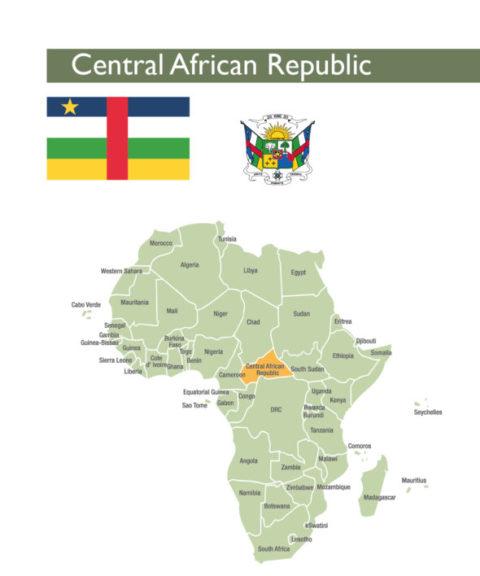
Central African Republic Faces Escalating Humanitarian Crisis as Floods Devastate communities – August 2024
In August 2024,the Central African Republic (CAR) is grappling with a severe humanitarian crisis as torrential rains have triggered widespread flooding across the nation. Areas that were already vulnerable due to years of conflict and economic instability are now facing devastating consequences, with thousands of residents displaced and critical infrastructure severely damaged. Relief efforts are underway, but challenges abound in reaching affected populations and providing essential services. As communities struggle to cope with rising waters and urgent humanitarian needs,local and international organizations are mobilizing resources to deliver aid and support recovery efforts. This article delves into the extent of the flooding, the impact on local populations, and the ongoing response to this escalating disaster in one of the world’s most fragile regions.
Central African Republic Faces Devastating Floods as Humanitarian Crisis Deepens
The Central African Republic (CAR) is grappling with severe flooding that has led to a rapidly deteriorating humanitarian situation, affecting thousands of individuals across various regions. Torrential rains have caused rivers to overflow, submerging homes and key infrastructure, leaving communities isolated. The UN Office for the Coordination of Humanitarian Affairs (OCHA) reports that over 300,000 people are now displaced, struggling to access critical resources such as food, clean water, and medical care. This disaster compounds an already dire scenario marked by ongoing conflict and economic instability, intensifying the vulnerability of the affected population.
As the situation intensifies, local and international humanitarian organizations are mobilizing efforts to provide assistance. Yet, challenges in logistics and security are hampering the delivery of essential aid. Assessments indicate increased health risks, including waterborne diseases, exacerbated by contaminated water supplies. Key priorities for humanitarian response include:
- Emergency shelter for displaced families
- Provision of clean drinking water and sanitation facilities
- Food distribution for those facing severe shortages
- Healthcare services to address flood-related health issues
| Assistance Type | Beneficiaries Reached | status |
|---|---|---|
| Emergency Shelters | 20,000 | In Progress |
| Clean Water Access | 15,000 | Needed |
| Food Aid | 50,000 | Ongoing Efforts |
| Medical Assistance | 10,000 | Critical |
impact on Displaced Communities and Infrastructure Demands Urgent Attention
The recent floods in the central African Republic have devastated numerous communities, displacing thousands and exacerbating an already precarious humanitarian situation. The influx of internally displaced persons (IDPs) is straining resources and overwhelming local infrastructures, which were already ill-equipped to handle such crises.Many families have lost their homes, farms, and livelihoods, leading to an urgent need for shelter, food, and medical assistance.The precarious conditions in overcrowded displacement camps have heightened the risk of waterborne diseases and malnutrition, particularly among vulnerable populations, including women and children.
As the situation evolves, it becomes increasingly evident that urgent infrastructure improvements are necessary to support both displaced communities and the host populations. Essential services such as clean water supply, sanitation, and healthcare facilities are critically lacking. The government and humanitarian organizations must prioritize the following actions to mitigate the widespread impacts of the flooding:
- Immediate construction of temporary shelters to house displaced families.
- Repairing and reinforcing existing infrastructure to withstand future flooding.
- Restoring access to clean water and sanitation facilities to prevent disease outbreaks.
- Implementing food security programs that cater to the immediate needs of affected households.
Recommendations for Immediate Response and Long-term Resilience Strategies
In the face of the devastating floods that have affected the Central African Republic, immediate response efforts must focus on several critical areas to alleviate the suffering of impacted communities. The following actions should be prioritized:
- Emergency Shelter Solutions: Establish temporary housing for displaced populations, ensuring access to basic amenities.
- Rapid Needs Assessment: Conduct assessments to identify vulnerable groups and urgent needs, including food, medical supplies, and clean water.
- Humanitarian Assistance: Deploy humanitarian aid teams to deliver essential supplies and services swiftly while coordinating with local NGOs.
For long-term resilience, it is essential to implement strategies that will prepare communities for future flooding events.Key recommendations include:
- Community Education Programs: Raise awareness about flood risks and resilience through education initiatives aimed at all community members.
- Infrastructure progress: Invest in flood-resistant infrastructure, such as levees and improved drainage systems, to mitigate future flood impacts.
- reforestation Initiatives: Promote environmental restoration projects that enhance natural barriers against flooding, supporting both ecological and community resilience.
| Strategy Type | Description | Expected Outcome |
|---|---|---|
| Immediate Response | Deployment of emergency shelters and rapid aid delivery | Reduction in immediate suffering |
| Long-term Resilience | Investment in infrastructure and community education | Increased preparedness for future floods |
in Summary
As communities in the Central African Republic grapple with the aftermath of unprecedented flooding in August 2024, the challenges ahead remain daunting. Humanitarian organizations are rallying to provide essential aid, yet the scale of the disaster underscores the urgent need for sustained international support. As the floodwaters recede,the focus shifts to recovery and rebuilding efforts,with an emphasis on helping vulnerable populations regain stability. It is indeed a pivotal moment for the nation; the resilience of its people will be tested against the backdrop of climate change and ongoing instability. Continued attention to the Central African Republic is crucial as the world watches how this nation navigates the path towards recovery and rehabilitation in the wake of one of its most significant natural disasters.










