
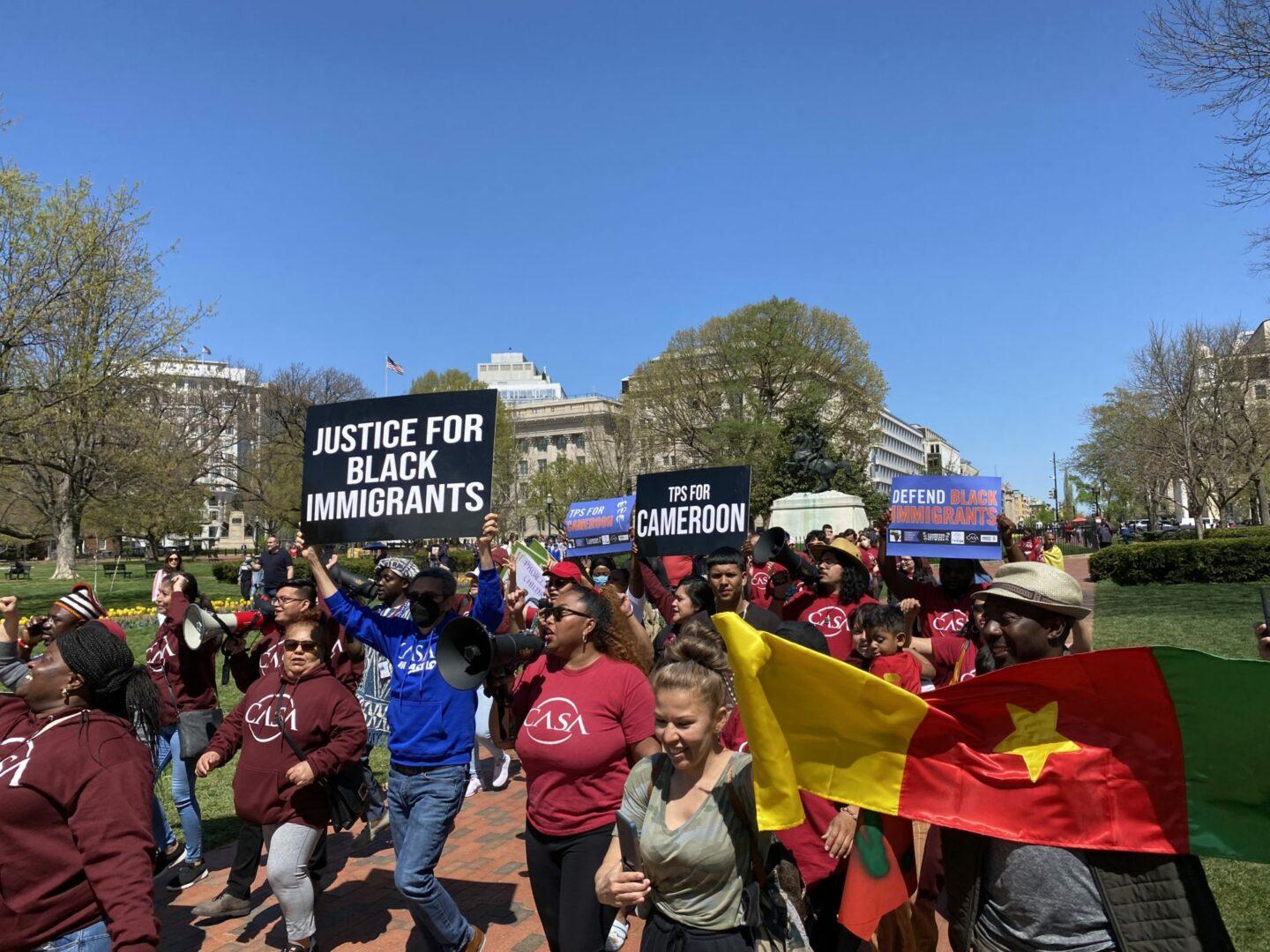
In a move that has sparked widespread concern among advocacy groups and humanitarian organizations, the U.S. government is set to terminate Temporary Protected Status (TPS) for refugees from Cameroon and Nepal, a decision that could jeopardize the safety and well-being of thousands of individuals. The U.S.Committee for Refugees and Immigrants has raised alarms about the potential consequences of this action,highlighting the precarious conditions in both countries that have led many to seek refuge in the United States.As advocacy efforts intensify, the implications of this termination are becoming increasingly dire, with critics warning that returning individuals to environments rife with violence, political instability, and hardship could expose them to life-threatening risks. This article delves into the reasons behind the termination, the current circumstances in Cameroon and Nepal, and the urgent calls for action to protect those affected by this decision.
Termination of Temporary Protected Status for Cameroon and Nepal Threatens Vulnerable Populations
The recent decision to end Temporary Protected Status (TPS) for individuals from Cameroon and Nepal has raised significant concerns among advocates for vulnerable populations. Many of those affected are escaping dire circumstances, including political instability, armed conflict, and natural disasters. The imminent termination threatens to forcibly return thousands to conditions that could jeopardize their lives and well-being.
As the deadline looms, the risks escalate for these individuals and families who have built fragile lives in the U.S.over years of hardship. The impact of this policy change could be profound, leading to increased instances of homelessness, job loss, and a sense of despair among affected communities. Key challenges that may arise include:
- Reintegration difficulties Many individuals lack the means to support themselves upon returning to their home countries.
- Heightened vulnerability to violence: Those fleeing persecution might face renewed threats to their safety.
- Disruption of family units: Families could be torn apart, causing emotional distress and trauma.
The U.S. Committee for Refugees and Immigrants continues to advocate for extending TPS for both nations, emphasizing the importance of stability and safety for individuals who have fled their homelands.As policymakers deliberate on this crucial issue, the future of countless lives rests in the balance, underscoring the need for a compassionate response to those fleeing perilous situations.
Urgent Call for Legislative Action to Protect TPS Holders from Deportation
The recent decision to terminate Temporary Protected Status (TPS) for individuals from Cameroon and Nepal has sent shockwaves through communities already grappling with uncertainty and fear.Many of these individuals have established lives in the United States, contributing positively to society while seeking refuge from dire circumstances in their home countries. With this termination,thousands of TPS holders now face the imminent threat of deportation,which could lead to devastating consequences for them and their families. The U.S. Committee for Refugees and Immigrants urges lawmakers to take immediate action in order to provide vital protections for these vulnerable populations.
It is essential for legislators to understand the gravity of the situation. Prolonged insecurity, violence, and humanitarian crises in Cameroon and Nepal necessitate a commitment to protect those who seek safety in the U.S.The health, education, and safety of TPS holders hinge on legislative advocacy, and the following points highlight the urgency of their situation:
- Humanitarian Crisis: Ongoing conflict and instability in their home countries pit TPS holders against dire circumstances.
- Family Separation: Deportation would tear apart families, introducing fear and trauma.
- Community Contributions: TPS holders have enriched local economies and communities, fostering cultural diversity.
Immediate legislative action is imperative to ensure that those protected under TPS are not forced back into perilous situations. Without renewed TPS considerations and pathways to permanent residency, these individuals will face a grim fate that undermines the essential values of compassion and refuge that America is known for.
Humanitarian Crisis Looms as Families Face Uncertain Futures Without Legal Status
The recent decision to terminate Temporary Protected Status (TPS) for individuals from Cameroon and Nepal has thrown countless families into turmoil, leaving them grappling with an uncertain future. As these individuals prepare to navigate the transition back to their home countries, they face imminent threats to their safety, stability, and well-being. The situation is dire, particularly for families who have established their lives in the U.S. and may not have viable options upon return. This move has sparked outrage among advocates who argue that returning to their home nations poses significant risks.
Those affected by the TPS termination will encounter numerous challenges, including:
- Increased Risk of Violence: Both Cameroon and Nepal are currently experiencing instability and violence, making repatriation dangerous for many.
- Economic Hardships: Many will struggle to find employment and stability in economies ravaged by conflict.
- Emotional Toll: Families face the psychological burden of separation and the fear of being forced from a country they have come to call home.
| Country | Current Situation | Impact on TPS Holders |
|---|---|---|
| Cameroon | Ongoing conflict and separatist violence | Fear for personal safety and lack of resources |
| Nepal | Political instability and economic challenges | Difficulty in reintegration and support |
Concluding Remarks
the recent decision to terminate Temporary Protected Status (TPS) for individuals from Cameroon and Nepal has sparked significant concern among advocates and humanitarian organizations.As the U.S. Committee for Refugees and Immigrants highlights, this move jeopardizes the safety and stability of countless individuals who have sought refuge in the United States due to dire circumstances in their home countries. With ongoing conflicts,political instability,and humanitarian crises in both nations,the loss of TPS will likely force many families back into precarious situations,putting their lives at risk. As the debate surrounding immigration policy continues, the voices of those affected will remain crucial in advocating for the protections that allow them to live without fear of persecution.As the situation unfolds, it will be imperative for policymakers to reassess the implications of this decision and prioritize the safety and well-being of vulnerable populations.










