
Cameroon’s Crucial Elections: Navigating Challenges and Uncertainty
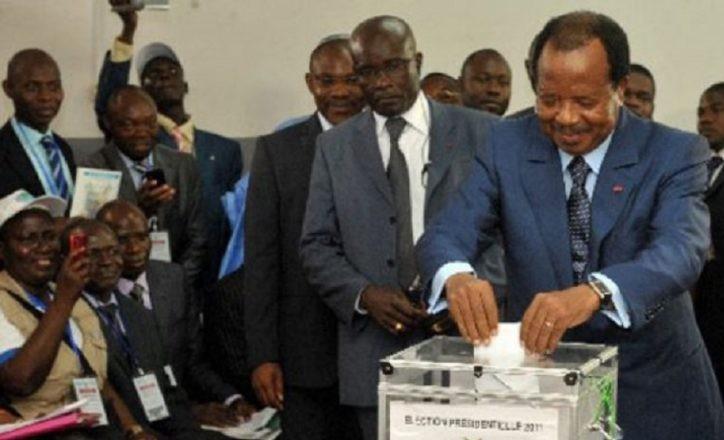
As Cameroon approaches its upcoming elections, the nation finds itself at a pivotal crossroads that could significantly reshape its political landscape and social fabric. With ongoing conflicts and unresolved issues, analysts warn that the electoral process is fraught with risks of heightened unrest, irrespective of which candidate prevails. This article delves into the complex factors shaping Cameroon’s electoral environment, evaluating the potential consequences of this political contest in a country already grappling with economic difficulties and societal divisions. As citizens prepare to cast their votes, the stakes have never been higher, casting a veil of uncertainty over the journey toward stability.
Exploring the Roots of Electoral Tension in Cameroon
The tensions surrounding elections in Cameroon stem from a complex interplay of historical grievances, socio-political dynamics, and economic disparities. The nation has long faced challenges related to political marginalization, notably affecting English-speaking regions that feel sidelined by central authorities. This sense of disenfranchisement has fueled separatist movements and fostered skepticism towards national governance. Additionally, accusations regarding electoral malpractice have deepened public mistrust in democratic processes-creating an environment ripe for conflict as various factions vie for legitimacy.
The intricate relationship between ethnic identities and regional inequalities further complicates this volatile scenario.Voter affiliations often align along ethnic lines where identity politics overshadow collective national interests-leading to increased polarization among communities. Economic hardships exacerbate these tensions; recent statistics indicate that unemployment rates hover around 30%, coupled with underdevelopment fueling frustration among citizens. Key contributors to these electoral strains include:
- Persistent historical grievances, rooted in colonial legacies.
- Ineffective institutional frameworks, which fail to ensure fair electoral practices.
- Socio-economic disparities, leaving certain demographics feeling alienated.
A thorough understanding of these underlying issues is crucial for any initiatives aimed at fostering lasting peace and stability within Cameroon.
Impact of Political Divisions on National Security and Social Cohesion
The ramifications stemming from Cameroon’s political divisions extend far beyond governance concerns; they pose significant threats to both national security and social unity. The current state of political polarization has intensified existing tensions which may compromisenational security and lead to greatersocial fragmentation .Individuals from diverse ethnic backgrounds may increasingly perceive each other as adversaries rather than allies-a shift that considerably raises civil unrest risks. A lack of cohesive national identity can incite violence especially in areas already grappling with separatist sentiments.
Moreover, fragmented representation could empower extremist factions seeking leverage amid widespread discontent-jeopardizing local stability and also broader regional security.
The potential consequences for community cohesion are equally alarming.
Increasing instances of voter apathy and disenfranchisement may arise if various groups feel their interests are unrepresented-perpetuating cycles filled with resentment.
The absence of constructive dialog among political entities can erode trust within democratic institutions leading citizens toward alternative forms of expression such as protests or civil disobedience-which could further destabilize an already fragile landscape.
In light of these developments it becomes imperative for stakeholders including civil society organizations and international observers alike-to advocate inclusive platforms promoting dialogue unity reconciliation across all sectors within society.
Strategies For Promoting Stability Beyond Election Results
The challenges facing Cameroon go beyond mere election outcomes necessitating concerted efforts aimed at establishing sustainable foundations conducive towards lasting peace.
Furthermore investing intosocioeconomic development initiatives can alleviate unrest stemming disenfranchisement programs targeting poverty reduction education enhancement job creation mitigate root causes conflict government should consider As Cameroon stands poised on the brink entering critical election cycle potential instability looms large irrespective outcome.Deep-rooted divisions coupled rising regional tensions highlight fragility surrounding nation’s democratic processes.Both observers citizens keenly await unfolding events recognizing implications extend far beyond ballot box.Whether faced continuation status quo emergence new leadership necessity dialogue unity sustainable reforms remains vital shaping future trajectory Cameroons history.As nation braces pivotal moment global audience acutely aware stakes higher than ever before.
Focusing on community engagement and fostering inclusive dialogues amongst diverse societal sectors will help bridge existing divides.Local leaders,civil society organizations,and youth collectives should be empowered facilitating discussions prioritizing shared goals common identities.Additionally revitalizing
establishing community-focused initiatives prioritizing local needs aspirations.
Implementing effective mechanisms addressing conflicts through establishment local peace committees assist grievance resolution before escalation occurs collaborative efforts between stakeholders whether governmental non-governmental necessary creating environments conducive towards stabilization ensuring aftermath elections does not spiral into increased turmoil.
Conclusion: A Nation at a Crossroads










