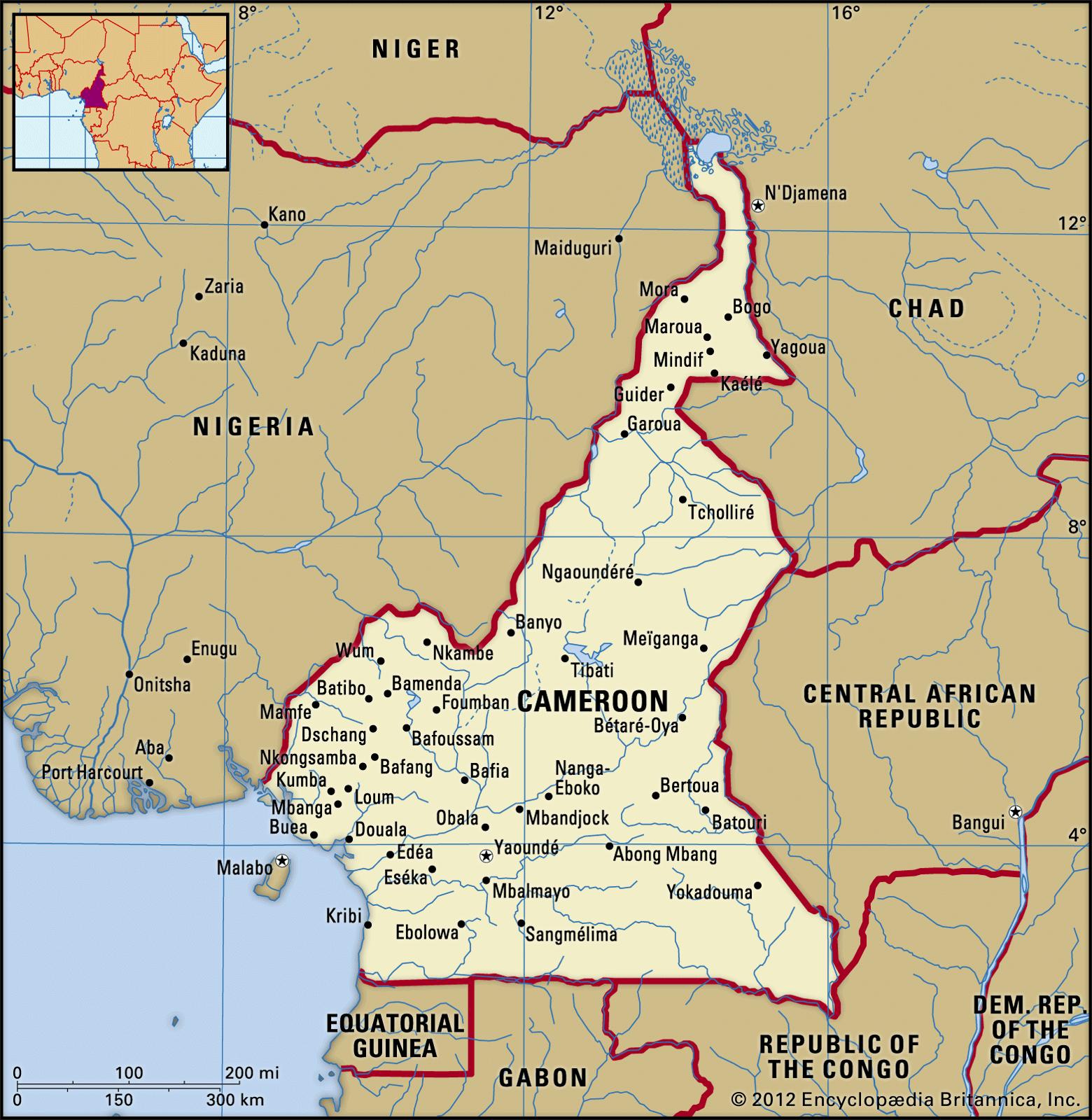
In the heart of Central Africa, Cameroon is grappling with a profound adn escalating crisis that has fractured its English-speaking regions. Following years of unrest sparked by demands for greater autonomy and recognition of Anglophone rights, the conflict has escalated into a violent standoff between separatist groups and government forces. As the humanitarian toll mounts and calls for intervention grow louder, an intriguing paradox emerges: while many observers argue that foreign assistance could provide a pathway towards resolution, the Cameroonian government remains resolutely opposed to external interference. This article delves into the complexities of the Anglophone crisis and examines the implications of the state’s reluctance to embrace outside help, exploring how this stance complicates efforts to find a lasting peace amid ongoing turmoil.
foreign Assistance and Resistance Examining the Cameroonian Government’s Stance on External Support for the Anglophone Crisis
The Cameroonian government’s reluctance to accept foreign assistance in addressing the Anglophone crisis stems from a complex interplay of sovereignty concerns and national pride. While the ongoing conflict has led to significant human rights violations and humanitarian needs, authorities often perceive external support as an infringement on their territorial integrity. The government maintains a strong narrative that emphasizes self-reliance and national unity, asserting that foreign intervention could undermine the legitimacy of its governance. In this context, the ramifications of not accepting external help become increasingly apparent, with millions of civilians caught in the crossfire and in desperate need of aid.
Moreover, the refusal to engage with international organizations and supportive nations limits opportunities for peaceful resolutions and conflict de-escalation. The potential benefits of foreign expertise, funding, and mediator roles cannot be overlooked. Key considerations regarding external involvement include:
- Humanitarian Aid: Addressing the urgent needs of displaced populations.
- Mediation Efforts: Facilitation of dialog between conflicting parties.
- Capacity Building: Strengthening local institutions to promote resilience.
- International Monitoring: Ensuring adherence to human rights standards.
Given the complex dynamics of the Anglophone crisis, a collaborative approach that respects the rights and wishes of the Cameroonian people while addressing the urgent humanitarian needs could pave the way for a lasting resolution. However,the current governmental stance poses a significant barrier to such international collaboration.
Challenges in Securing International Aid Understanding the Barriers and Misconceptions Surrounding Foreign Intervention in Cameroon
The ongoing conflict in the Anglophone regions of Cameroon has drawn the attention of international humanitarian organizations, yet the state remains resistant to external assistance. This reluctance frequently enough stems from a complex interplay of nationalistic pride,political control,and past grievances. As the situation escalates, the Cameroon government perceives foreign intervention as a potential undermining of its sovereignty, leading to increased tensions. This skepticism is compounded by misconceptions around the efficacy of foreign aid, with belief that such involvement could complicate the already delicate political landscape rather than resolve it.
Moreover, the barriers to securing international aid for the crisis are further reinforced by miscommunication and lack of trust between local authorities and foreign entities. The consequences are detrimental,as misconceptions regarding foreign aid often lead to slowed response times and misallocation of resources. Key factors influencing this dynamic include:
- Misunderstanding of motivations: Many locals view foreign organizations’ intentions with suspicion, questioning their true motives.
- Fear of Dependency: The government worries that accepting aid could foster a sense of dependency among the populace.
- Political Ramifications: Accepting foreign help might be seen as a sign of weakness, possibly destabilizing the ruling party’s hold on power.
Pathways to resolution Engaging International Partners While Respecting National Sovereignty in the Anglophone Conflict
The ongoing Anglophone crisis in Cameroon highlights the delicate balance between seeking international support and upholding national sovereignty. While the conflict has escalated,leading to severe humanitarian consequences and displacements,the Cameroonian government has shown reluctance to engage foreign partners in a formal capacity. This reluctance can be attributed to several factors:
- Historical Distrust: The legacy of colonialism and foreign intervention has fostered a wariness among Cameroonian authorities.
- National Identity: There’s a fear that foreign involvement could undermine Cameroon’s sovereignty and national integrity.
- Political Sensitivity: The government is concerned that international mediation may lead to external pressures on internal political structures.
Despite these concerns, pathways for constructive engagement exist that can respect national sovereignty while addressing the humanitarian and social issues stemming from the conflict. Potential models for collaboration could include:
| Model of Engagement | Description |
|---|---|
| Dialogue Facilitation | Third-party mediators could help facilitate dialogue between conflicting parties without imposing solutions. |
| Development Aid | Rather of direct intervention, international partners could provide resources for community rebuilding. |
| Capacity Building | Training and support for local governance structures could empower communities to address their own issues. |
in Retrospect
As the Anglophone crisis in Cameroon continues to escalate, the need for external assistance becomes increasingly apparent. While international support could provide a pathway to dialogue and resolution, the Cameroonian government’s reluctance to engage with foreign entities complicates the prospects for peace. The situation calls for introspection and a reevaluation of national priorities, as the ramifications of inaction stretch far beyond the immediate conflict. As stakeholders, both domestic and international, contemplate the future of Cameroon, the pressing question remains: will the government choose to embrace a collaborative approach or continue down a path of isolation? The answers to these questions could ultimately determine the fate of a nation desperately seeking stability amidst strife.