
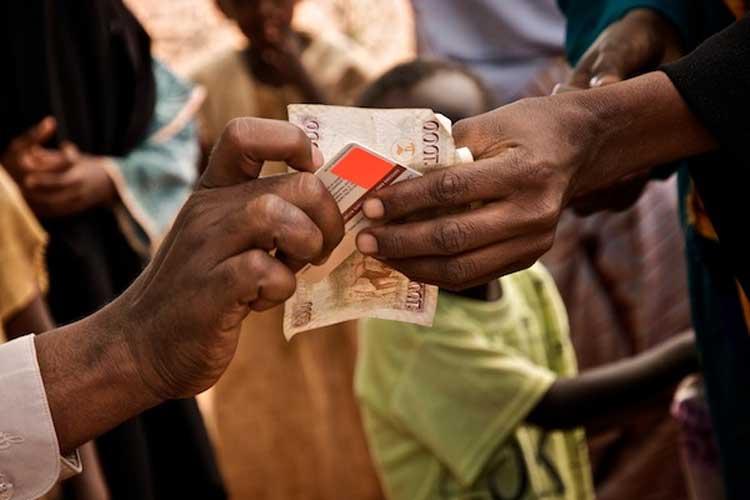
Transforming Lives in Burundi: The Role of Cash Transfer Programs in Alleviating Poverty
In Burundi, where nearly 70% of the population grapples with poverty, a significant shift is underway in social welfare policies. The introduction of cash transfer programs, backed by the World Bank, is providing crucial financial support to vulnerable families. This assistance not only helps them meet their immediate needs but also enables them to invest in their future. These initiatives are designed to alleviate short-term economic struggles while fostering a sense of dignity and self-sufficiency among beneficiaries.As the positive outcomes become increasingly evident, stakeholders are recognizing cash transfers as a viable strategy for sustainable poverty reduction and economic empowerment in one of the world’s most resource-limited nations. This article explores real-life stories and successes arising from these cash transfer programs in Burundi, showcasing the transformative effects on individuals and communities.
Building Economic Resilience Through Cash Transfers
The implementation of cash transfer programs marks a pivotal advancement in enhancing economic resilience for at-risk populations. By directly channeling funds to those who need it most, these initiatives have alleviated immediate financial pressures while stimulating local economies. Households benefiting from these transfers are better positioned to secure essential needs such as food security,which leads to improved nutrition,health outcomes,and educational opportunities for children.
Furthermore, access to liquid assets empowers families to embark on small entrepreneurial ventures that foster financial independence. Local businesses have also seen significant gains; increased consumer spending has revitalized various sectors within the economy. The cascading effects generated by cash transfers illustrate how targeted financial support can uplift individual lives while rejuvenating entire communities. Recent statistics indicate:
- 70% of recipient households report enhanced food security.
- 50% have invested resources into healthcare and education.
- 60% of local businesses report increased sales due to heightened demand.
This ripple effect highlights how strategic financial assistance can serve as a catalyst for long-term economic stability while contributing positively toward growth objectives across Burundi.
Financial Assistance: A Pathway for Women’s Empowerment
A transformative initiative aimed at bolstering women’s financial autonomy has emerged in Burundi-an area where women frequently encounter unique challenges during periods of economic instability. Through targeted cash transfers specifically designed for women, this program addresses urgent monetary needs while creating sustainable pathways toward empowerment. Families receiving this support report notable improvements in their capacity to invest in healthcare and education-fostering positive changes that enhance overall community well-being.
The results underscore the direct correlation between financial aid and women’s socio-economic progress:
- Nurtured Entrepreneurship: Many women have leveraged cash transfers as capital for starting or expanding small enterprises.
- Nutritional Gains: Families can now afford healthier food options that contribute positively towards overall health outcomes.
- Easier Access to Education: Funds are being allocated towards school fees enabling greater attendance rates among girls at educational institutions.
This initiative emphasizes how critical targeted financial support is for uplifting marginalized groups while highlighting tailored strategies that address specific challenges faced by women throughout Burundi.
Enhancing Health Care and Education Outcomes for Needy Families
The World Bank’s cash transfer program has shown promising results regarding access to healthcare services and educational attainment levels among vulnerable families through its focused approach on delivering necessary funding directly into households’ hands.Beneficiaries enjoy improved access not just nutritious foods but also essential services like medical care.This additional income enables parents prioritization towards children’s education which reduces reliance on child labor practices thus increasing school attendance rates-a critical factor fostering an educated future generation.Key benefits observed include:
-
< li >< strong >Sustained School Enrollment Rates:< / strong >The influx from cash transfers correlates with heightened enrollment figures among both girls & boys attending primary schools nationwide;
- < b >Adequate Health Visits: Families can now afford regular check-ups leading fewer illnesses affecting children’s growth;
- < b >Enhanced Nutrition: Households able purchase diverse diets resulting better developmental outcomes amongst youth;
< / ul >As this program continues evolving , ongoing evaluations remain imperative ensuring effectiveness addressing dynamic challenges confronting vulnerable populations across burundi.A commitment monitoring adapting strategies will play pivotal role sustaining positive impacts long-term notably concerning healthcare education sectors.
Final Thoughts
In conclusion ,cash transfer schemes implemented by world bank represent lifeline many struggling households.With advantages ranging improved dietary habits increased schooling opportunities ,these efforts empower communities rise above poverty creating pathways sustainable progress.As burundi navigates socio-economic hurdles ahead success witnessed through these interventions could serve blueprint other nations seeking leverage strategic fiscal supports transformative change .While journey remains ongoing early indicators paint optimistic picture brighter tomorrow especially those most disadvantaged segments society.Collaboration between stakeholders including governments NGOs citizens vital building upon successes achieved thus far maximizing potential lasting impact achievable together.
n
n










