
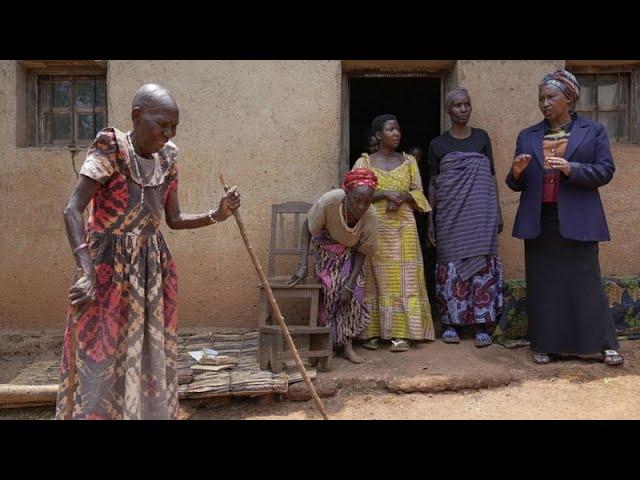
Reviving Akazehe: A Melodic Tradition at Risk in Burundi
In the heart of Burundi, a captivating cultural practice known as “akazehe” – a harmonious greeting exchanged among women – not only highlights the nation’s vibrant heritage but also strengthens the bonds of community and friendship among its female populace. Yet, as contemporary influences and evolving social dynamics threaten to eclipse this treasured custom, experts and local advocates are raising their voices in concern. With globalization altering cultural landscapes worldwide, Akazehe finds itself at a critical juncture, sparking urgent discussions about preserving Burundian identity and the essential role such traditions play in fostering social unity. This article explores the roots of Akazehe, its importance in everyday life, and the obstacles it faces amid rapid modernization.
Cultural Heritage: The Role of Akazehe in Burundian Society
the Akazehe is far more than just a melodic exchange; it represents an intricate weave of Burundian culture and social interaction. Traditionally shared among women, this distinctive form of greeting acts as a conduit for connection within communities while celebrating important life events and nurturing social relationships. Highlighting the importance of women’s solidarity, Akazehe conveys messages filled with warmth, respect, and collective identity. As societies progress into modernity, however, these delicate threads that hold such cultural practices together are increasingly at risk of unraveling—prompting vital conversations about how to protect this stunning expression of camaraderie.
The need for preservation initiatives is crucial to ensure that customs like Akazehe do not fade into obscurity. Community leaders alongside cultural organizations are beginning to acknowledge the importance of incorporating traditional practices into educational programs and public celebrations. Potential strategies include:
- Youth workshops: Educating younger generations on the significance of Akazehe.
- Cultural festivals: Showcasing traditional greetings alongside other social customs.
- Permanence through documentation: Creating recordings or publications that capture this legacy for future generations.
This heightened awareness can empower Burundians to actively engage in preserving their cherished tradition amidst societal changes.
Modernization: Challenges Facing Akazehe’s Survival
The lively tradition surrounding Akazehe encounters significant challenges as modernization reshapes cultural norms within Burundi. Urban migration coupled with Western lifestyle influences has begun swaying younger generations away from embracing this unique form of greeting; many young women find themselves caught between honoring their ancestors’ rich heritage while being drawn toward contemporary lifestyles—resulting in diminished transmission rates for these time-honored practices. The graceful melodies once shared during daily gatherings now struggle against modern life’s demands.
Additonally, globalization plays an undeniable role by introducing new forms of communication that dilute Akazehe’s cultural relevance. Key factors contributing to its decline include:
- Evolving social interactions: Traditional community gatherings are becoming less common due to digital communication trends replacing face-to-face connections.
- Linguistic shifts: The rise in global languages threatens local dialects integral to expressing Akazehe’s essence.
- Migratory education patterns:: Increased access to education often leads women away from rural areas where these traditions thrive.
A summary table below illustrates some key shifts affecting Akazehe’s continuity:
| Cultural Influence | affect on Akazehe Practice |
|---|---|
| Cities expanding | Lesser participation in traditional ceremonies |
| Diverse global cultures | Diminished use local dialects over dominant languages |
Revitalizing legacy: Strategies for Community Engagement & Cultural sustainability
The cherished practice surroundingAkazehes’ melodic exchanges among women faces an uncertain future due largely modern influences threatening its existence . To counteract erosion , multifaceted approaches focusing on revitalizing community engagement along with fostering pride must be implemented .Initiatives could involve organizing annual workshops where seasoned practitioners impart knowledge onto youth ensuring tunes gestures associated with akazehes get passed down through generations. Furthermore , hosting performances during local festivals can enhance visibility attracting both locals tourists eager experience authentic burundian culture .
An effective way forward involves collaboration between authorities , schools organizations promoting integration akazhes curriculum educating youth about importance tradition cultivating belonging identity further leveraging platforms showcase performances reaching wider audiences igniting interest especially amongst young people adopting strategies celebrate sustain akazes ensuring unique art form thrives years ahead .
Final Thoughts on Preserving Tradition Amid Change
As our world rapidly evolves , fragile strands connecting us our rich heritages often face threats disintegration. The practice known “akazeh” stands pivotal moment representing not only artistic legacy but also vital component fabric communities across burundi facing pressures globalization shifting dynamics necessitating support preservation enchanting customs As country grapples maintaining distinct identities ever-changing landscape future akazes remains uncertain poignant reminder impermanence traditions highlighting urgency celebrate safeguard shared human legacies .










