
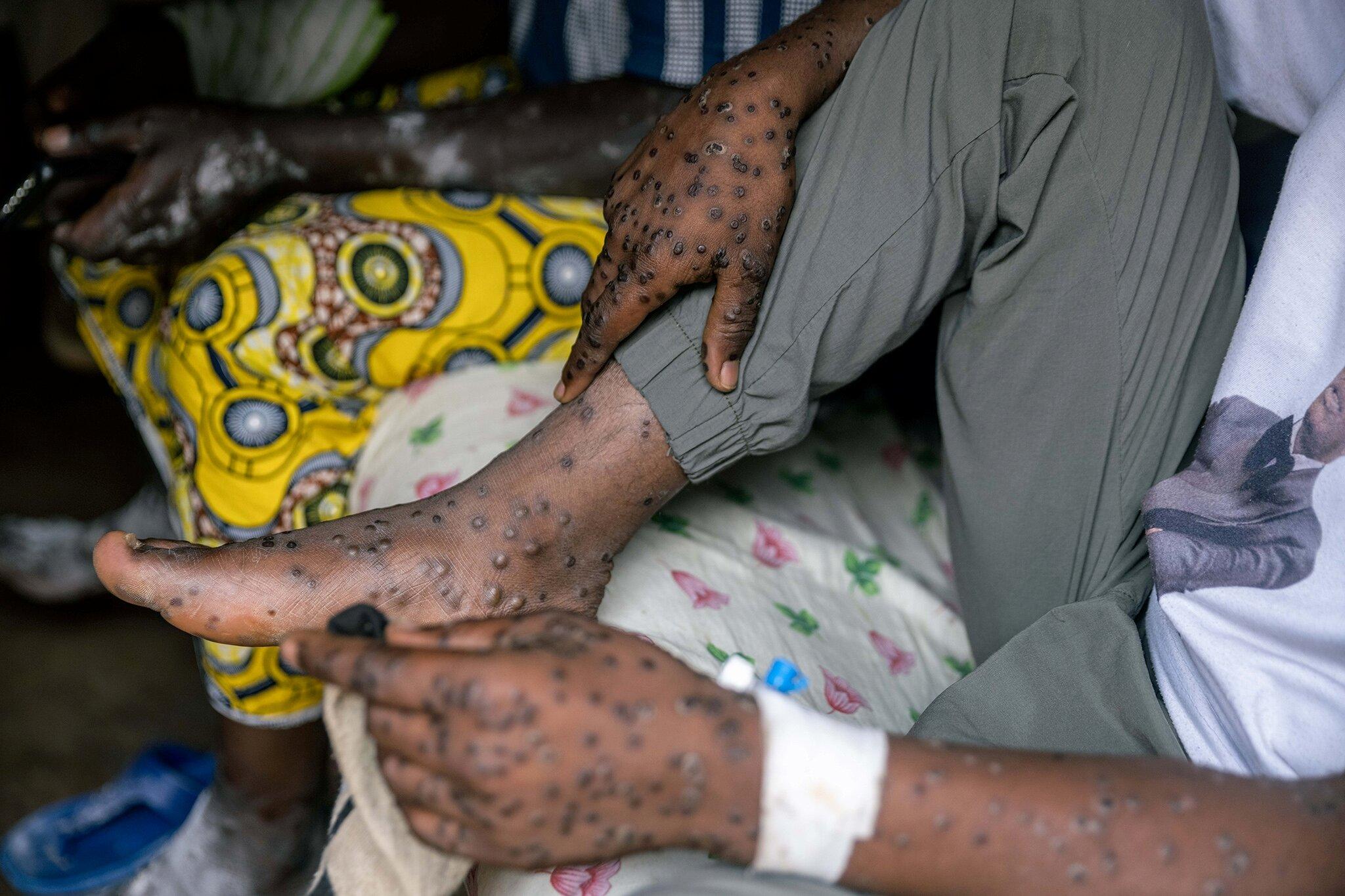
In Burundi, a nation grappling with both public health challenges and deeply ingrained societal stigmas, the fight against mpox has taken on a complex and troubling dimension. Recent reports indicate that discriminatory attitudes towards individuals diagnosed with the virus are complicating efforts to contain its spread, exacerbating the already formidable barriers to healthcare access. As authorities work to implement strategies to curb the outbreak, the dual challenges of stigma and misinformation loom large, threatening to undermine both community trust and public health initiatives. This article explores the intricate interplay between cultural perceptions and health policy in Burundi, shedding light on the crucial need for education and empathy in the ongoing battle against mpox.
Stigmatization Leads to Increased Vulnerability in Mpox Outbreak in Burundi
The ongoing mpox outbreak in Burundi has not only posed a serious public health challenge but has also exacerbated the issues of stigma and discrimination faced by those affected. Many individuals diagnosed with mpox are often shunned by their communities, leading to decreased willingness to seek medical care or disclose their symptoms.This fear of social rejection primarily stems from misconceptions about the disease’s transmission, resulting in vulnerable populations being further marginalized. Health officials stress the importance of addressing these misconceptions to create an environment conducive to treatment and prevention.
The consequences of stigmatization extend beyond personal suffering; they also hinder broader public health efforts. Community resistance to vaccination campaigns and mistrust in health systems can lead to higher infection rates and a delayed response to the outbreak. To combat these challenges, it is essential to implement educational initiatives aimed at dispelling myths and promoting empathy. The table below illustrates key misconceptions and the corresponding facts that need to be communicated effectively:
| Myth | fact |
|---|---|
| mpox only affects certain groups of people. | Anyone can contract mpox, irrespective of age or sexual orientation. |
| mpox is easily spread through casual contact. | Transmission occurs through close contact with infected individuals or contaminated surfaces. |
| People with mpox are to blame for their infection. | Infections can happen to anyone, and blaming individuals perpetuates stigma. |
Community Engagement Crucial for Effective Mpox Prevention and Awareness
Addressing the challenges posed by stigma in the fight against mpox is essential for fostering a supportive environment where effective prevention and awareness can thrive. Engaging local communities is vital,as grassroots initiatives can definitely help to dismantle harmful stereotypes and misinformation associated with the disease. Community leaders,healthcare providers,and advocacy groups must come together to:
- Organize informational campaigns to educate the public about mpox,its transmission,and prevention methods.
- Host support groups for affected individuals, creating safe spaces for sharing experiences and reducing feelings of isolation.
- Promote safe practices through workshops and outreach programs tailored to specific community needs.
Additionally, leveraging local resources can amplify the impact of these community engagement efforts. Utilizing trusted voices within the community—such as religious leaders, teachers, and local influencers—can help to convey messages effectively and encourage participation.Collaborative partnerships between health authorities and community organizations should focus on:
- Developing culturally sensitive educational materials that resonate with community values and beliefs.
- Implementing peer-led outreach initiatives that focus on high-risk populations.
- Collecting feedback from community members to continually refine approaches and address emerging concerns.
Strengthening Healthcare Infrastructure to Combat Stigma and Improve Response Efforts
In Burundi,the struggle against mpox is compounded by deep-rooted social stigma surrounding the disease. Strengthening healthcare infrastructure is crucial for delivering effective response efforts. Improved facilities and resources can promote a more inclusive environment for patients,thereby encouraging individuals who may or else hide their symptoms to seek necessary medical attention. By establishing dedicated centers for mpox treatment and care, the government can help dismantle misconceptions and foster trust between healthcare providers and the community.
Further, targeted training for healthcare workers can enhance their understanding of mpox, equipping them with the skills needed to address patients’ concerns sensitively and empathetically. This training should encompass the following elements:
- Awareness Campaigns: Educating the public about mpox and its modes of transmission.
- Support Systems: Creating safe spaces within clinics for open dialogues.
- Community Engagement: Involving local leaders to reduce stigma during outreach efforts.
By prioritizing these strategies, Burundi can create a healthcare landscape that not only treats the disease effectively but also addresses the associated stigma that deters individuals from seeking help.
Wrapping Up
the fight against mpox in Burundi is complicating an already precarious public health landscape, exacerbated by the deep-seated stigma experienced by affected individuals.The reluctance to seek treatment and the fear of discrimination hinder efforts to control and contain the disease. As health authorities and NGOs work to address these barriers, it is imperative that awareness campaigns prioritize education and compassion to dismantle harmful stereotypes. Only by fostering a supportive environment can Burundi hope to make meaningful progress in its battle against mpox, ensuring that health services are accessible to all, regardless of their circumstances. Without addressing the stigma, the road to recovery remains fraught with challenges, underscoring the urgent need for a comprehensive and inclusive approach to public health in the region.










