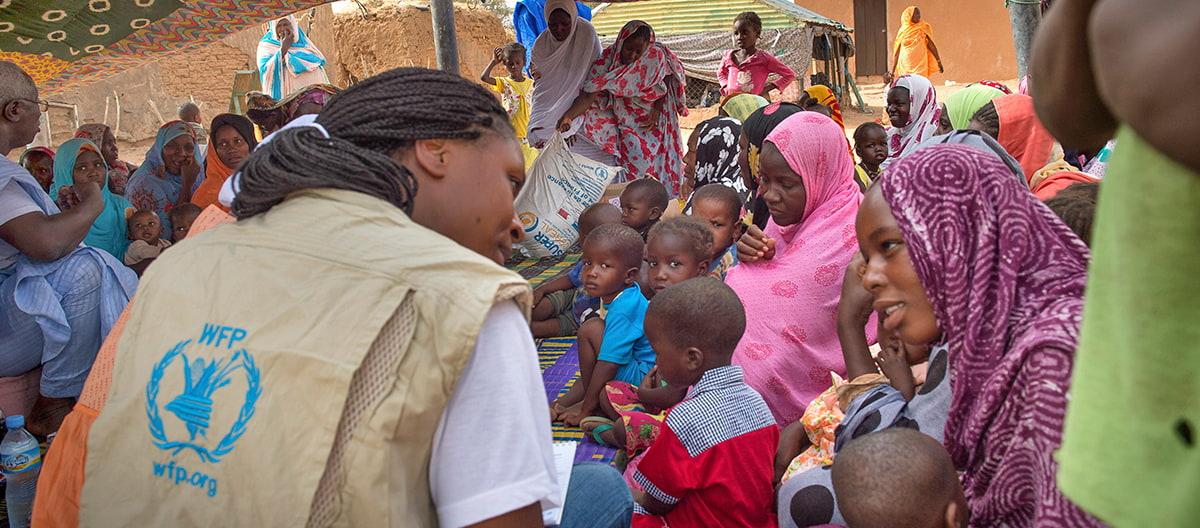
WFP Burundi Country Brief, April 2025: Addressing the Growing Humanitarian Needs
In April 2025, the World Food Program (WFP) released its latest country brief on Burundi, shedding light on the escalating humanitarian challenges faced by one of East Africa’s most vulnerable nations. As food insecurity and malnutrition rates continue to rise, exacerbated by climate-related shocks and economic instability, the WFP’s report underscores the urgent need for sustained international support and innovative interventions. With nearly 1.5 million people-over 12% of the population-experiencing acute food shortages, the situation demands immediate attention and action. This detailed briefing not only highlights the current state of food security in Burundi but also outlines the WFP’s ongoing efforts to bolster resilience and provide life-saving assistance to those most in need. As the country grapples with multifaceted crises, the question remains: how can the international community respond effectively to reverse the tide of hunger and support the people of Burundi in their quest for stability and sustainability?
WFP Response to Nutritional Needs of Vulnerable Populations in Burundi
The World Food Programme (WFP) is actively addressing the nutritional needs of vulnerable populations in Burundi through a multi-faceted approach aimed at improving food security and nutrition outcomes. Recognizing the impact of ongoing socio-economic challenges, WFP has intensified efforts to support the most affected communities. Key initiatives include:
- Targeted Supplementary Feeding Programs to prevent and treat moderate acute malnutrition among children under five and pregnant and lactating women.
- School Feeding Programs that provide nutritious meals to students, encouraging education and improving attendance rates.
- Food Assistance for Assets (FFA), linking food support to community-driven projects that build resilience and enhance agricultural productivity.
In response to the urgent need for comprehensive nutritional support, WFP implemented an innovative food distribution strategy that focuses on both food and cash assistance, adapting to local market conditions and ensuring that families can meet their needs. Beneficiaries are empowered to make food choices that best suit their cultural preferences and dietary requirements. The 2025 nutritional intervention results indicate:
| Category | Impact |
|---|---|
| Children under 5 | 30% reduction in moderate acute malnutrition |
| Pregnant & Lactating Women | 25% increase in micronutrient intake |
| School Children | 40% increase in attendance |
Challenges and Opportunities in Food Security Amidst Ongoing Crises
The ongoing crises in Burundi, characterized by political instability, climate shocks, and economic challenges, have significantly impacted food security in the region. The increased frequency of extreme weather events, such as floods and droughts, has devastating effects on agricultural production, leading to diminished yields and rising food prices. Moreover, the displacement of communities due to conflict and unrest hampers access to markets and resources, exacerbating the already precarious situation for millions. Key challenges include:
- Limited access to essential agricultural inputs
- Escalating household food insecurity
- High levels of malnutrition among vulnerable populations
Though, amidst these challenges lie opportunities for strengthening food security in Burundi. Targeted interventions by organizations such as the WFP can foster resilience by developing local food systems and enhancing community resilience strategies. Enhancements in agricultural practices and technology offer a pathway to enduring crop production, while partnerships with local stakeholders can amplify the impact of relief efforts. Notable opportunities include:
- Investment in climate-smart agriculture
- Strengthening of supply chain networks
- Community education and training programs
| Opportunity | Description |
|---|---|
| Climate-Smart Agriculture | Innovative farming techniques designed to increase resilience to climate impacts. |
| Supply Chain Strengthening | Enhancing access to markets and distribution of food resources. |
| Community Education | Empowering farmers with training on sustainable practices and nutrition. |
Strategic Recommendations for Enhanced Humanitarian Aid and Development Initiatives
To optimize the impact of humanitarian aid and development initiatives in Burundi, a multi-faceted approach is necessary. Key recommendations include:
- Strengthening Local Partnerships: Collaborating with local NGOs and community-based organizations to ensure that aid is culturally relevant and effectively administered.
- Enhancing Agricultural Resilience: Focus on sustainable farming techniques and provide access to modern tools and training, reducing reliance on external food supplies.
- Fostering Education and Skills Development: Invest in educational programs to equip the younger population with essential skills to break the cycle of poverty.
Furthermore, leveraging technology can significantly enhance operational efficiency. Implementing digital platforms for:
- Data collection and analysis: Utilize real-time data to better understand the needs of the population and adjust aid accordingly.
- Monitoring and evaluation: Track the effectiveness of programs to ensure accountability and timely responses to emerging needs.
- Data dissemination: Employ mobile technology to inform communities about available resources and services, fostering greater participation and support.
Final Thoughts
the April 2025 Country Brief from the World Food Programme (WFP) provides a critical insight into the ongoing challenges and humanitarian needs facing the people of Burundi.Despite continued efforts to combat food insecurity and malnutrition in the region,the report highlights the pressing realities of economic strain and escalating climate impacts that threaten to undermine progress. As the WFP and its partners seek to bolster their support mechanisms, it is imperative that the international community remains engaged and responsive to the needs of Burundians. The situation calls for an urgent collective commitment to sustainable development and resilience-building initiatives, ensuring that all citizens have access to the essential resources required for a stable and secure future. As we move forward, the stories of those affected serve as a poignant reminder of the work that lies ahead in creating a more equitable and secure environment for all.