
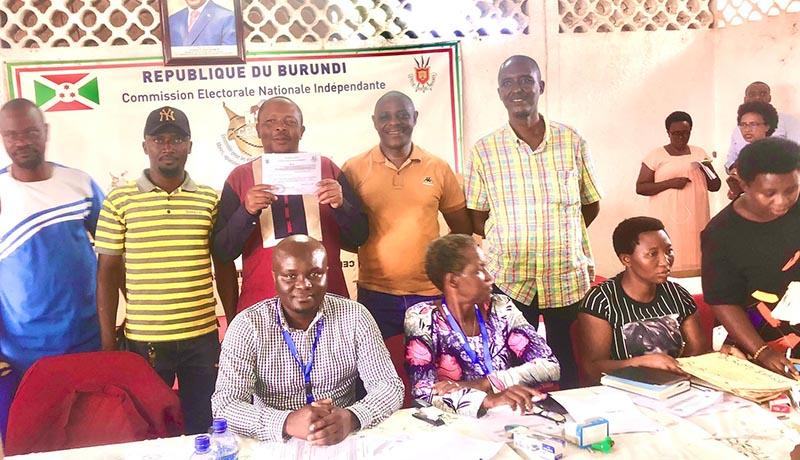
Burundi’s Political Landscape: A Move Towards Authoritarianism as Elections Approach
As Burundi prepares for its upcoming elections, the political landscape is increasingly fraught with tension and discord. Critics of the ruling party claim that democratic norms are being systematically eroded, raising alarms about the potential formation of a de facto one-party system. Opposition groups are facing significant hurdles and allegations of widespread oppression, prompting both national and international observers to keep a close watch on the electoral process. This article delves into the current state of Burundian politics, emphasizing the implications of a tightly controlled electoral environment on governance and civil liberties in this East African nation.
Burundi Moves Toward Authoritarianism as Opposition Claims Democratic Processes Are in Jeopardy
In a troubling turn for democracy in Burundi, reports have emerged suggesting that the ruling party is deliberately sabotaging electoral processes to pave the way for a one-party regime. Leaders from opposition factions contend that methods involving political repression and intimidation are being employed to silence dissenting voices and discourage participation in forthcoming elections. Numerous accounts indicate that government officials are leveraging their control over state institutions to manipulate electoral frameworks, intensifying fears that November’s elections may culminate in a rigged victory for the ruling National Council for the Defense of Democracy-Forces for the Defense of Democracy (CNDD-FDD).
The heavy presence of police at political gatherings has raised alarms among civil society organizations regarding shrinking civic space. Concerns include arrests targeting opposition leaders, censorship affecting independent media outlets, and increased scrutiny on activists. Detractors warn that if these trends continue unchecked, they could lead to an entrenched system characterized by unilateral governance, effectively disregarding public sentiment. The international community remains alert, urging Burundian authorities to uphold their commitments to democratic values while fostering an electoral climate reflective of citizens’ aspirations.
Impact of a One-Party Parliament on Governance and Civil Liberties in Burundi
The rise of a one-party parliament poses significant risks concerning governance practices as well as civil liberties within Burundi. With claims from opposition members asserting that democracy has been effectively ‘snuffed out’, various implications arise from this scenario. A political landscape dominated by one entity could lead to reduced accountability alongside transparency deficits within governance structures-creating fertile ground for unchecked corruption.
The absence of diverse political representation can stifle meaningful public discourse; consequently prioritizing party loyalty over citizen needs or rights becomes commonplace.
A single-party system often disenfranchises citizens while severely curtailing civil liberties; suppression against dissenting opinions frequently results in heightened state control across numerous aspects daily life-restricting freedom expression along with assembly rights.
This situation typically leads to:
- Censorship escalation: Imposed restrictions on media operations alongside press freedoms.
- Diminished political engagement: Barriers preventing individuals from forming or joining opposing parties.
- Breach human rights: Severe repercussions faced by those engaging politically or advocating activism.
The table below outlines potential challenges related to governance along with civil liberties stemming from adopting such systems within Burundi:
| Main Issue | Plausible Consequence |
|---|---|
| Lack Accountability Mechanisms | Sustained corruption coupled with mismanagement concerning public resources. |
| Dissent Suppression | An atmosphere filled with fear among citizens risking social unrest due oppressive measures taken against them . |
| Poor Public Engagement Levels | A decline seen regarding civic involvement leading towards widespread apathy amongst populace . |
Strategies To Reinvigorate Democratic Participation And Preserve Political Freedoms In Burundi  ​ ​ ​ ​ ​< / h2 >
The current political climate indicates alarming trends toward authoritarianism where genuine democratic engagement faces severe threats . To counteract this negative trajectory , several strategies can be employed aimed at revitalizing civic participation while safeguarding essential political freedoms . Mobilization efforts involving local civil society organizations play crucial roles educating communities about their inherent rights responsibilities ; facilitating dialogues workshops addressing topics surrounding good governance human rights importance active voter involvement also proves beneficial . Furthermore , utilizing technology enhances access information empowering individuals providing platforms enabling alternative narratives challenging dominant state-controlled messaging .
Additionally , fostering inclusive dialogue among diverse stakeholders-including marginalized demographics youth-can cultivate more representative atmospheres conducive towards healthy politics . Establishment safe spaces encouraging open discussions around policies governing societies whether through community forums digital channels further promotes constructive exchanges ideas perspectives necessary reformations needed moving forward .
Moreover , collaboration international partners applying diplomatic pressure upon Burundian leadership advocating reforms remains vital ; implementing targeted sanctions against officials violating human dignity holds them accountable incentivizes changes promoting vibrant democracies flourishing environments conducive growth prosperity overall wellbeing populations involved .










