
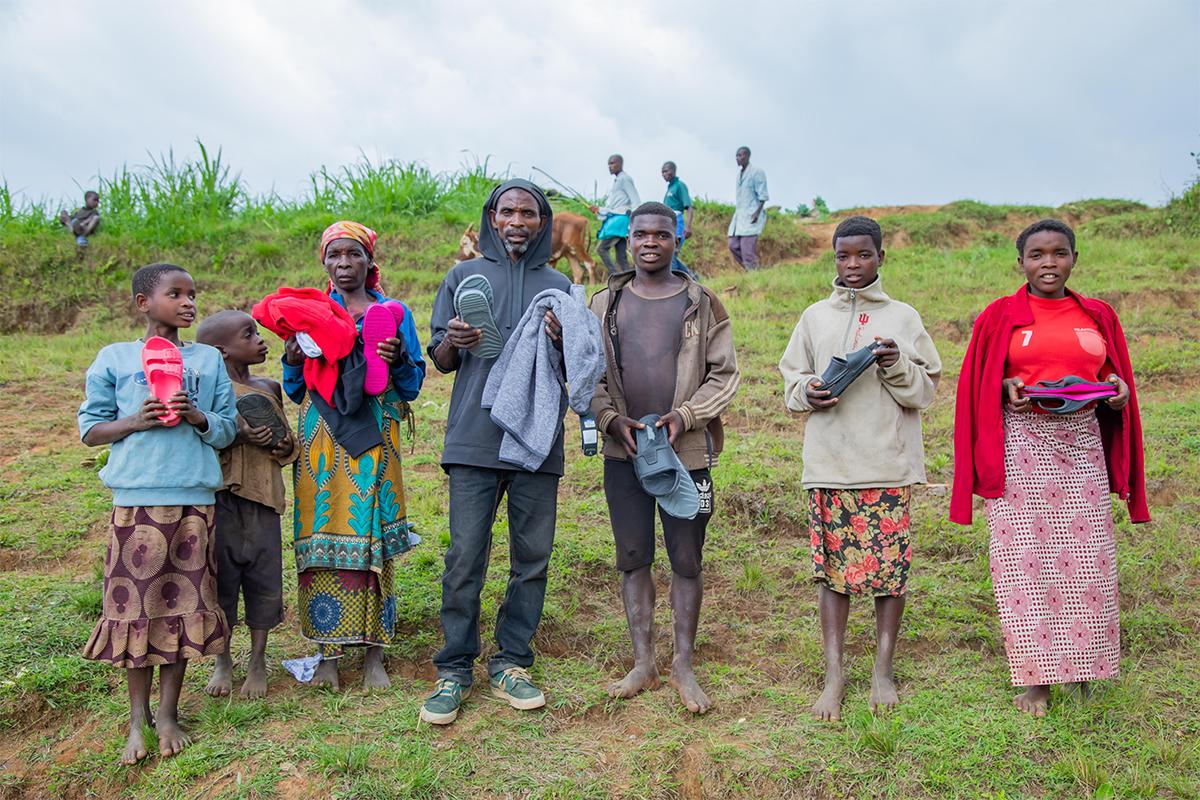
Aid Efforts in Burundi Buckling as More Congolese Arrive in Largest Influx in Decades – UNHCR
In a concerning development for regional stability, Burundi is grappling with an unprecedented influx of Congolese refugees, marking the largest movement of people into the country in decades. The United Nations Refugee Agency (UNHCR) has reported that this surge is straining already limited humanitarian resources and aid efforts,which are struggling to meet the rising needs of the displaced population. As thousands flee conflict and instability in the Democratic Republic of the Congo (DRC), Burundian communities and relief organizations face the daunting challenge of providing essential services and support to both newcomers and local residents. This article explores the implications of this humanitarian crisis, the response from international agencies, and the broader impact on Burundi’s fragile socio-economic landscape.
Surge in Congolese Refugees Strains Humanitarian Resources in Burundi
The number of Congolese refugees entering Burundi has reached unprecedented levels, overwhelming existing humanitarian resources and organizations striving to provide assistance. The influx has been attributed to ongoing violence and instability in the Democratic Republic of the Congo, pushing families to seek safety across the border. As of now, over 60,000 refugees have arrived since the beginning of the year, marking the largest surge in decades. Local and international agencies, including the UNHCR, are scrambling to meet the increasing demand for basic necessities such as food, shelter, and medical care.
The situation is further exacerbated by limited funding and infrastructure in Burundi,a country already grappling with its own economic challenges. Key areas that require urgent attention include:
- Access to clean water: Only 35% of refugees have reliable access to potable water, increasing the risk of waterborne diseases.
- Healthcare services: Health facilities are overwhelmed, with a 40% shortage of medical supplies reported.
- Shelter provisions: Temporary camps are overcrowded, leading to inadequate living conditions for thousands.
Considering this ongoing humanitarian crisis, the need for coordinated efforts among government bodies, NGOs, and international organizations has never been more critical. A recent report by the UNHCR emphasizes the importance of mobilizing resources and support to ensure that basic human rights are upheld for the refugees. As agencies work to implement immediate solutions,the resilience of both the refugees and the Burundian communities will be put to the test.
| Resource Required | Current Status | Funding Needed |
|---|---|---|
| Water Supply | 35% access | $2 million |
| Healthcare | 40% shortage of supplies | $3 million |
| Shelter | Overcrowded camps | $5 million |
Challenges Faced by Aid Organizations Amid Escalating Crisis in the Region
The recent influx of refugees from the Democratic Republic of the Congo into Burundi has strained the resources of humanitarian organizations to their limits. With the number of arrivals reaching unprecedented levels, aid groups are grappling with multiple complexities, including logistical challenges, funding shortages, and the urgent need for coordinated responses. Many organizations face a situation where existing facilities are overwhelmed,leading to overcrowded conditions in makeshift camps that lack sufficient sanitation and medical care. The increased pressure on local populations, already vulnerable due to economic difficulties, poses a significant risk of tensions and conflict over scarce resources.
In these testing circumstances, the following challenges are notably evident:
- Funding Gaps: There is an acute need for financial support to scale up operations, but many agencies are struggling to secure adequate funding amidst competing global crises.
- Logistical Hurdles: The remoteness of affected areas complicates the delivery of supplies, with road accessibility often hampered by adverse weather conditions.
- Healthcare Access: A surge in refugee numbers places immense pressure on the already limited healthcare facilities, exacerbating health risks.
- Coordination Issues: Ensuring that all aid efforts are well-coordinated to avoid duplication and maximize impact is a continual challenge.
To illustrate the scope of the crisis and the response, the following table highlights key statistics:
| Indicator | Current Situation |
|---|---|
| Refugee Influx (Last Month) | Over 15,000 individuals |
| Total Refugee Count in Burundi | Approximately 100,000 |
| Funding Required | $20 million |
Urgent Call to Action: Strengthening Support Mechanisms for Refugees and Host Communities
The recent surge in Congolese refugees pouring into Burundi has unveiled critical gaps in the existing support frameworks. As the influx reaches the highest levels seen in decades, displaced individuals and their host communities find themselves in desperate need of immediate humanitarian assistance. Local resources are stretched thin, making it imperative for international organizations, governments, and NGOs to rally together, ensuring that both newcomers and their hosts receive adequate support. Immediate action is crucial, encompassing essentials such as food assistance, healthcare access, and shelter provisions. Without urgent intervention, the capacity of host communities to cope will diminish, exacerbating an already tense situation.
To effectively respond to the growing humanitarian crisis, a multi-faceted approach is essential. This should include initiatives aimed at strengthening local infrastructure and service delivery systems while promoting social cohesion between refugees and host communities.Key areas of focus must involve:
- Healthcare Services: Expanding access to medical facilities for refugees and locals alike.
- Education Opportunities: Providing educational resources and enrolling children in schools to prevent a lost generation.
- Employment Programs: Creating job opportunities that benefit both refugees and host community members.
Strengthening these support mechanisms not only aids in humanitarian relief but also fosters resilience in the face of ongoing challenges. Acknowledging the interdependence between refugees and locals is essential in crafting lasting solutions that promote stability and growth.
In Summary
As the situation in Burundi continues to evolve, the recent influx of Congolese refugees poses significant challenges for aid organizations and local communities. With the UNHCR reporting the largest wave of arrivals in decades, the need for immediate and sustained support is most pressing. Humanitarian efforts, already stretched thin, confront the dual tasks of addressing the needs of both refugees and host populations. The international community’s response will be crucial in determining the resilience of these aid systems amid growing pressures. Without enhanced funding and coordinated efforts, the potential for a humanitarian crisis looms large. As we watch these developments unfold,the urgency for a collective response has never been clearer,highlighting the necessity for a renewed commitment to safeguarding the rights and well-being of those seeking refuge from violence and instability.










