Introduction:
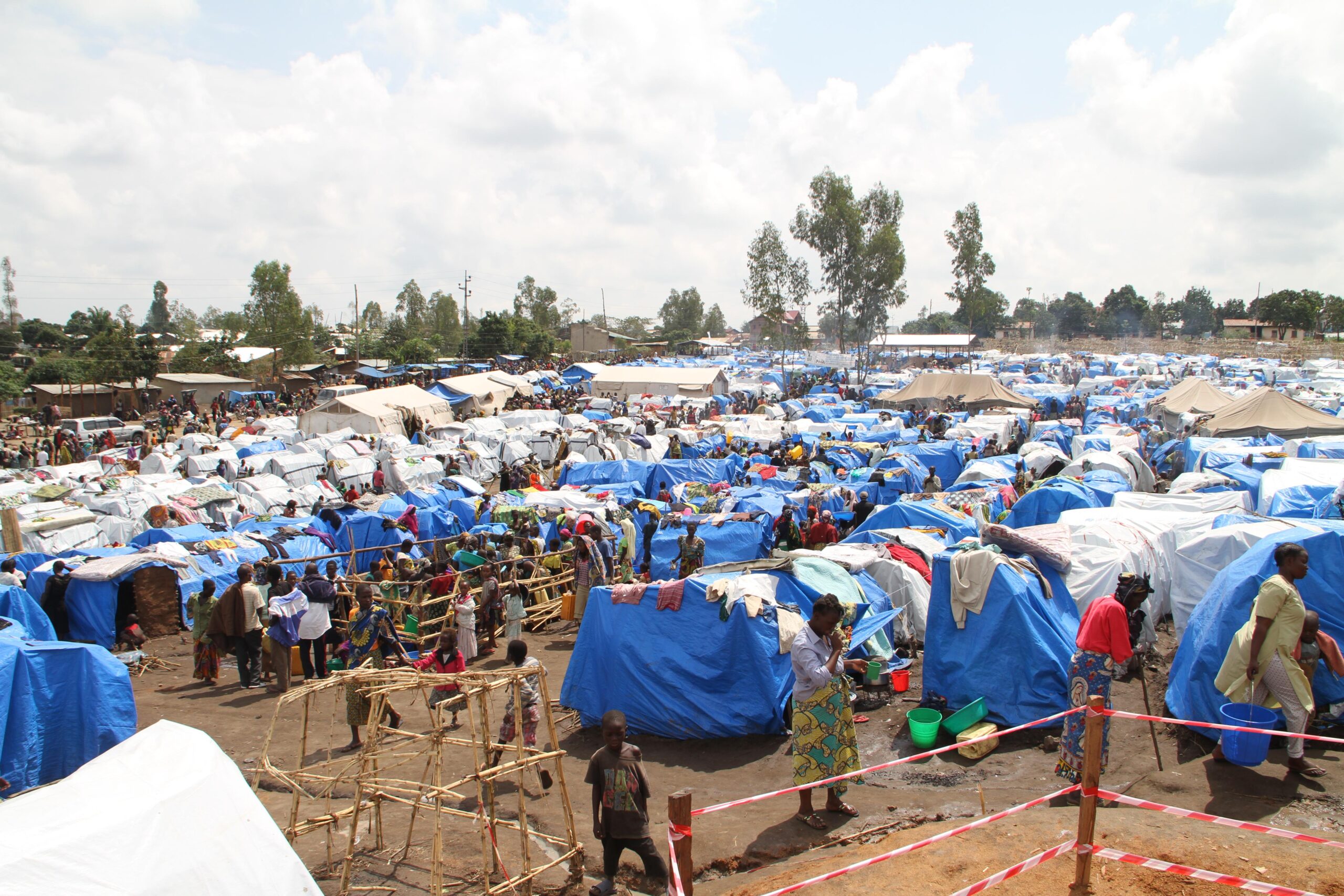
As the Democratic Republic of the Congo (DRC) grapples with ongoing conflict and instability, a meaningful surge of refugees has been pouring into neighboring Burundi and Uganda, posing an unprecedented challenge to humanitarian efforts in the region. The United Nations World Food Program (WFP) has raised alarms over the escalating crisis, warning that the influx of over a million displaced individuals is straining already limited resources and support systems.With many refugees facing severe food insecurity and inadequate shelter,the urgent need for comprehensive aid has never been more critical. This article explores the implications of the refugee surge, the response from humanitarian organizations, and the dire situation faced by those seeking safety across borders.
Humanitarian Crisis Deepens as DRC Refugee Influx Overwhelms Burundi and Uganda
As conflict and instability persist in the Democratic Republic of the Congo (DRC), a significant number of refugees continue to spill into neighboring Burundi and Uganda, posing a considerable challenge to humanitarian efforts in the region. The sheer volume of arrivals, driven by violence, poverty, and the lack of basic services, has strained local resources, resulting in pressing needs for food, shelter, and medical assistance. The United Nations World Food Programme (WFP) reports that these influxes have led to a sharp rise in malnutrition rates among both refugees and local populations, creating a dual crisis that is difficult to navigate. Urgent measures are required to address the escalating demands and ensure that those affected receive timely support.
Both Burundi and Uganda are facing a daunting task in managing the situation. The WFP has identified key areas where immediate action is necessary,including:
- Food Security: Ensuring that refugees have access to sufficient and nutritious food.
- Health Care: Providing essential medical services to combat disease outbreaks among displaced populations.
- Water and Sanitation: Improving access to clean water and sanitation facilities to prevent hygiene-related illnesses.
As the crisis continues to evolve, international support remains crucial. The upcoming months will be pivotal in laying the groundwork for longer-term assistance that not only meets immediate needs but also focuses on building resilience among vulnerable communities. Coordinated efforts from governments, NGOs, and the international community are essential in mitigating the impact of this deepening humanitarian crisis.
UN World Food Programme Calls for Urgent Funding to Address Growing Needs
The United Nations World Food Programme (WFP) has issued a clarion call for urgent funding as the ongoing refugee crisis from the Democratic Republic of the Congo (DRC) continues to escalate, putting immense pressure on humanitarian operations in Burundi and Uganda.With nearly 135,000 Congolese refugees having fled to Uganda since January, and thousands more seeking asylum in Burundi, the demand for food assistance and basic necessities is surging. The current situation has outstripped available resources, compelling WFP to stress the critical need for financial support to sustain operations. Without immediate intervention, vulnerable populations face dire consequences, including malnutrition and heightened food insecurity.
The humanitarian organization details the following key challenges exacerbating the crisis:
- Increased Refugee Influx: The rapid arrival of refugees strains existing services and resources.
- Malnutrition Rates: WFP reports alarming rates of malnutrition among children and pregnant women.
- Funding Gaps: A significant shortfall in funding jeopardizes vital food assistance programs.
- Logistical Constraints: Difficult terrain and limited access complicate the delivery of aid to remote areas.
| Country | Number of Refugees | Annual Funding Needs (USD) |
|---|---|---|
| Uganda | 90,000+ | 100 million |
| Burundi | 45,000+ | 50 million |
Strategies for Sustainable Support: Improving Aid Delivery Amidst Refugee Surge
The recent influx of refugees from the Democratic Republic of the Congo (DRC) has placed immense pressure on existing humanitarian resources in Burundi and Uganda. As the number of individuals seeking shelter and aid surges, it becomes increasingly crucial for aid organizations to adopt innovative tactics for delivering support effectively. To address the escalating needs, some organizations have begun enhancing partnerships with local communities, focusing on decentralized aid distribution that empowers local leaders and utilizes existing infrastructures. This not only streamlines the process but also ensures that support is culturally sensitive and meets the urgent needs of refugees.
Moreover, leveraging technology has emerged as a significant strategy for improving aid delivery. Mobile applications and digital platforms are being used to track resource allocation, provide real-time feedback from beneficiaries, and facilitate quicker response times. Key strategies include:
- Implementing cash-based assistance to allow refugees more versatility in meeting their basic needs.
- Utilizing solar-powered distribution centers to improve efficiency in remote areas.
- Engaging in regular assessments to adapt to the changing demographics of the refugee population.
By innovating in these areas,humanitarian agencies hope to create a more resilient support system that is capable of adapting to ongoing challenges while ensuring that those affected receive the vital aid they desperately need.
Wrapping Up
As the situation in the Democratic Republic of the Congo continues to deteriorate, the surge of refugees seeking safety in neighboring Burundi and Uganda poses a significant challenge for humanitarian organizations. The UN World Food Programme’s warning underscores the urgency of addressing the growing needs of those displaced.With resources already stretched thin, the international community must respond swiftly to alleviate the suffering of the Congolese refugees and support the host nations. Without immediate action, the repercussions will not only affect the refugees but also risk destabilizing the region.As the crisis unfolds, it remains crucial to ensure that humanitarian support is not just a temporary measure, but part of a comprehensive strategy to protect and provide for vulnerable populations affected by conflict.