
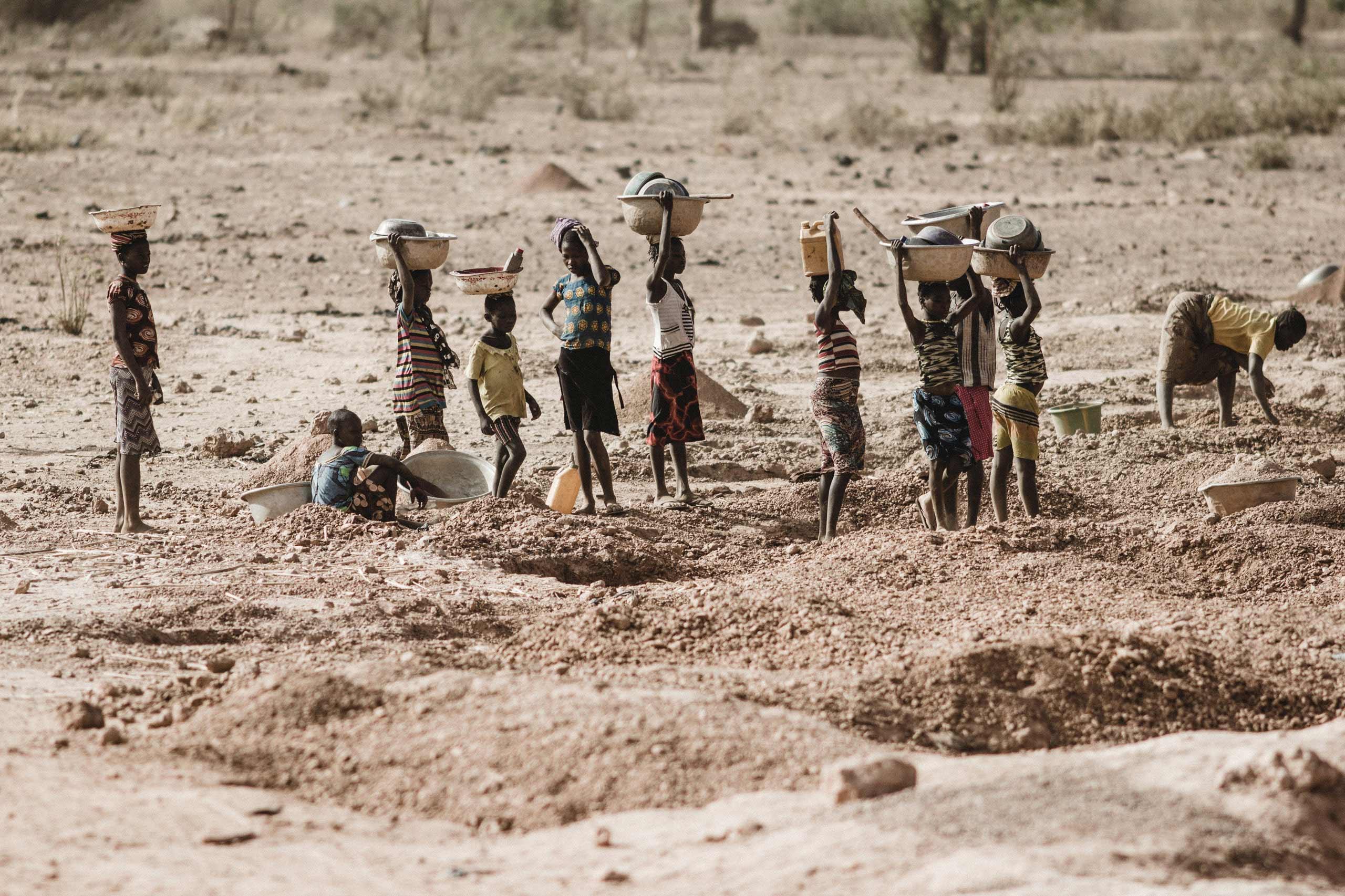
In a significant development in West Africa, Burkina Faso has arrested several humanitarian workers under allegations of espionage, raising concerns about the safety and operational integrity of aid efforts in the region. The arrests come amidst a backdrop of increasing tensions within the country, which has been grappling with the impacts of ongoing political instability and a humanitarian crisis driven by conflict and displacement. As the government seeks to bolster national security, the implications of these arrests extend beyond immediate legal ramifications, potentially hindering vital assistance to vulnerable populations. This article delves into the circumstances surrounding the arrests, the response from the international community, and the broader implications for humanitarian operations in Burkina Faso and the Sahel region.
Burkina Faso Humanitarian Workers Detained Amid Espionage Accusations
In a surprising turn of events, several humanitarian workers in Burkina Faso have been detained under allegations of espionage. These accusations have sparked significant concern among international organizations and advocacy groups, who argue that the move could severely hinder critical aid efforts in the already crisis-stricken nation. The humanitarian workers, representing various NGOs, had been involved in delivering much-needed assistance in areas affected by conflict and food insecurity. The Burkinabé government has yet to provide specific details regarding the accusations, leaving many to speculate whether the detentions are rooted in political motivations.
The implications of these detentions are vast, raising alarms about the safety of humanitarian operations in the region. Key points of concern include:
- Impact on Aid Delivery: With workers detained, the flow of essential supplies and services could be drastically affected.
- Increased Danger: The safety of remaining humanitarian staff may be compromised as tensions rise.
- International Relations: The situation may strain Burkina Faso’s relationships with countries and organizations providing aid.
As agencies call for the immediate release of the humanitarian workers and clarification of the accusations, the broader context of insecurity in Burkina Faso remains crucial. Volatile conditions resulting from terrorism, political instability, and economic challenges underscore the necessity for foreign aid efforts to continue unimpeded.
Analyzing the Impact of Arrests on Aid Efforts in Burkina Faso
The recent arrests of humanitarian workers in Burkina Faso, based on allegations of espionage, have raised significant concerns regarding the ongoing aid efforts in a country already facing profound challenges. Humanitarian organizations, which have been crucial in addressing food insecurity, healthcare disparities, and shelter needs, now find their operations severely disrupted. For example, the reputation of international NGOs can be undermined, leading to increased scrutiny from local authorities, which may tighten regulations and impede relief operations. Additionally, the arrests create an atmosphere of fear among workers, which could deter skilled professionals from engaging in humanitarian efforts in the region.
Moreover, the implications extend beyond immediate operational challenges. Trust between communities and aid organizations may erode as locals grapple with rising tensions and uncertainty. Aid beneficiaries might become hesitant to engage with foreign workers, fearing association with espionage activities. This distrust ultimately jeopardizes vital services. To illustrate the potential fallout, consider the following impacts on aid delivery:
| Impact Area | Possible Consequences |
|---|---|
| Operational Challenges | Delays in aid distribution and project implementation. |
| Community Relations | Weakening of trust and collaboration between locals and NGOs. |
| Staff Morale | Increased anxiety leading to higher turnover rates. |
Recommendations for Ensuring Safety and Integrity of Humanitarian Operations
To maintain the safety and operational integrity of humanitarian workers, organizations must adopt comprehensive strategies aimed at minimizing risks associated with their missions. Key steps include:
- Enhanced Training: Regular training on local laws, cultural sensitivity, and crisis management should be mandatory to prepare workers for the risks they may face in volatile environments.
- Robust Security Protocols: Establishing clear security measures, including emergency exit plans and secure communication channels, can significantly mitigate threats.
- Partnership with Local Authorities: Building trust with local governments and communities can help clarify roles and responsibilities, reducing the likelihood of misunderstandings that could lead to accusations.
- Transparency in Operations: Maintaining open lines of communication with stakeholders, including donors and local populations, can enhance credibility and reduce suspicions relating to neutrality.
Additionally, monitoring and evaluation processes should be fortified to ensure that humanitarian efforts are not misconstrued as espionage activities. Consider the following measures:
| Measure | Description |
|---|---|
| Regular Risk Assessments | Routine evaluations of the security landscape to adapt operations swiftly. |
| Stakeholder Engagement | Frequent dialogues with community leaders to clarify humanitarian goals. |
| Documentation of Activities | Thorough and transparent record-keeping of on-ground operations to preemptively address potential allegations. |
Insights and Conclusions
In conclusion, the recent arrest of humanitarian workers in Burkina Faso on espionage allegations underscores the fragile balance between aid efforts and national security in a nation grappling with significant challenges. As the government continues to navigate a complex web of internal and external pressures, the implications of these arrests may reverberate beyond the immediate situation, affecting international relations and the humanitarian landscape in the Sahel. With the region already facing escalating violence and humanitarian crises, the developments warrant close observation as stakeholders seek to ensure both safety and assistance for those in need. As this story unfolds, the world will be watching to see how Burkina Faso addresses these pressing issues amidst its ongoing struggle for stability.










