
Introduction
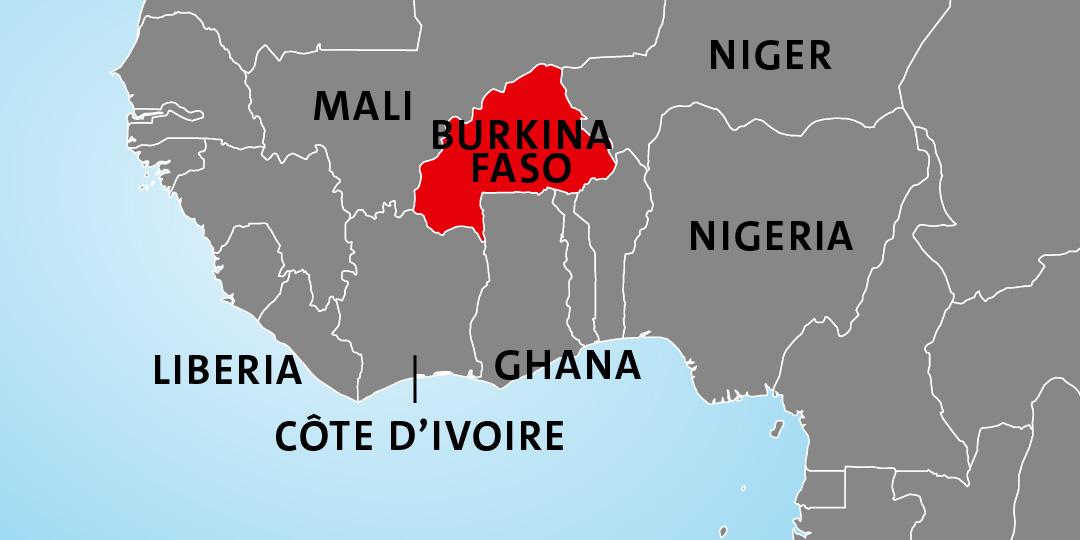
Burkina Faso’s recent decision to nationalize its gold mining sector has stirred considerable interest and concern across West Africa’s economic landscape. As a key contributor to the continent’s gold output, this strategic pivot prompts critical discussions about investment stability and the future of international partnerships in an industry vital for regional growth. Observers are closely monitoring how this policy will influence the gold market, especially as the government aims to assert greater control over its natural resources amid escalating political pressures and calls for economic reform. This article delves into the implications of Burkina Faso’s nationalization strategy and its potential impact on West Africa’s mining sector.
Reactions from Gold Producers Following Burkina Faso’s Nationalization Initiative
The move by Burkina Faso to take control of certain aspects of its gold mining operations has reverberated throughout West Africa’s already fragile mining industry. This bold step has generated significant concern among neighboring nations involved in gold production, with fears that Burkina Faso’s actions could set a precedent for similar initiatives in other countries within the region. Stakeholders are particularly anxious about how this might affect foreign investments, operational stability, and overall economic progress within an industry crucial for regional prosperity.
In light of these developments, experts have identified several potential outcomes resulting from this policy shift:
- Decrease in Foreign Investment: Investors may be reluctant to engage with a market perceived as hostile towards foreign ownership.
- Operational Challenges: Transitioning to a state-controlled framework could introduce inefficiencies and disrupt production workflows.
- Cascading Policy Changes: Other countries may feel pressured to implement similar policies, leading to widespread regulatory transformations across the mining sector.
| Country | Total Gold Production (Tonnes) | Potential Consequences of Nationalization |
|---|---|---|
| Burkina Faso | 48 | An increase in state oversight with associated risks for economic development. |
| Mali | 50 | A higher likelihood of similar policy proposals emerging. |
| Ghana | 130 | A stable environment that may attract more foreign investments. |
Effects on Foreign Investments and Local Communities Within Burkina Faso’s Mining Sector
The recent trend toward nationalizing segments of Burkina Faso’s mining industry is altering perceptions regardingforeign investment strategies throughout West Africa . Investors now find themselves navigating an unpredictable landscape as authorities seek increased oversight over mineral assets . To rebuild trust among prospective investors , it is essential that Burkinabé officials emphasize transparency within regulatory frameworks while fostering open communication channels . For international firms adapting effectively , strengthening relationships with local stakeholders while advocating for protective measures will be crucial ; such initiatives can significantly shape capital inflow along with technological advancements necessary for sustainable growth .
Simultaneously , local communities stand poised to experience both advantages and disadvantages stemming from these policy changes . While nationalization could boost government revenues derived from resource extraction activities , there exists an urgent need ensure these funds positively contribute towards community development efforts . Prioritizing robust social investment programs-such as enhancements in infrastructure , healthcare accessibility ,and educational opportunities-can facilitate more sustainable management practices concerning natural resources . Key considerations include:
-
<< li > Actively involving local populations during decision-making processes.< / li >
<< li > Creating job opportunities alongside training programs directly linked with mining operations.< / li >
<< li > Implementing environmental protections aimed at minimizing negative impacts arising from extraction activities.< / li >
< / ul >
Ultimately , success within Burkina Faso ‘s mining sector hinges upon cultivating a collaborative environment where both international investors’ interests align harmoniously alongside those belonging locally driven by shared aspirations geared towards sustainable advancement .
Adapting Approaches Amid Changing Regulatory Frameworks Within Regional Gold Mining Sectors
As Burkina Faso shifts toward emphasizing state control over its gold mines , other regional players must recalibrate their strategies accordingly if they wish remain competitive . Companies should prioritize establishing strong partnerships locally which can help mitigate disruptions arising due governmental transitions . Collaborating closely not only enhances goodwill but also streamlines permit acquisition processes while aligning corporate objectives seamlessly with broader national priorities .
Moreover , diversifying operational jurisdictions offers firms opportunities spread risk across various regulatory environments thereby safeguarding profitability even amidst localized upheavals .
Investments directed toward developing comprehensive legal compliance structures enable swift navigation through evolving regulations . Regular audits assessing current practices against emerging standards become imperative here too . Engaging proactively via industry associations or lobbyists allows companies influence policymaking discussions favorably ; additionally forming dedicated impact assessment teams tasked evaluating operational repercussions serves solid foundation transparent negotiations regulators moving forward .
Below summarizes key strategies worth considering :
|
Concluding Thoughts on Nationalization Effects Across Regional Economies & Markets!In conclusion, Burkina Faso’s recent choice to pursue greater state involvement within its precious metals sectors marks a pivotal moment not just domestically but also regionally throughout Western African economies! As tensions rise further prompting reevaluation investor positions alike implications arising out this shift resonate widely impacting local economies globally too! Stakeholders remain vigilant monitoring developments closely concerned about future flows investments governance surrounding resources taking center stage now more than ever before ! Navigating complexities inherent such bold moves amidst increasing global demand presents unique challenges ahead determining whether enhanced controls yield positive outcomes or result downturns stability overall ! The world watches intently awaiting results unfolding journey ahead! South Sudan Gears Up for AFCON Qualifiers Against Djibouti-But Fans Will Be Absent!The anticipation is palpable as South Sudan gears up to clash with Djibouti in the highly anticipated Africa Cup of... Read moreDetails         |

