
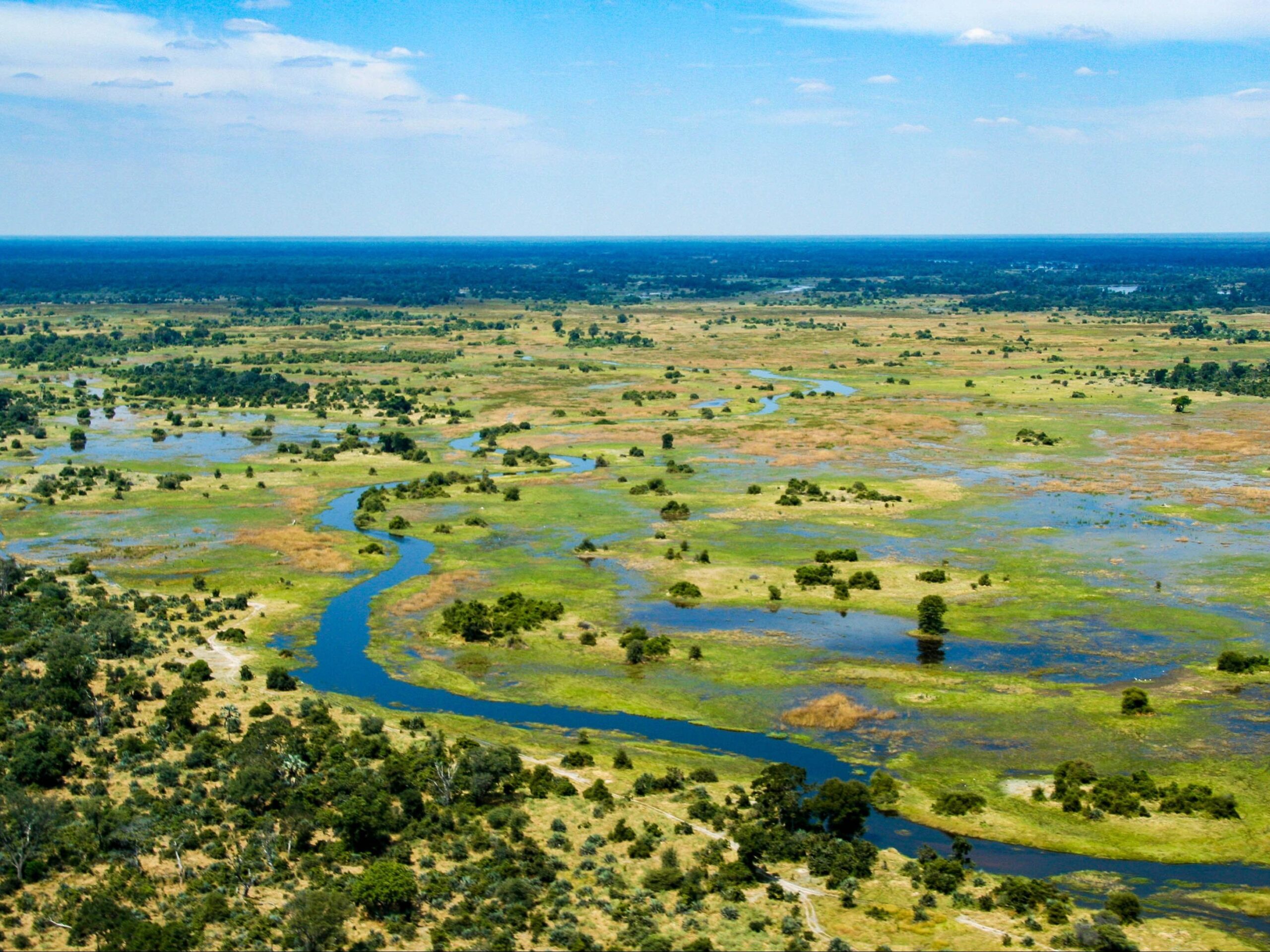
What the World can Learn from Botswana
In a rapidly shifting global landscape, where governance and economic stability are often in flux, Botswana stands out as a beacon of democracy and development in Africa. known for its remarkable transformation from one of the continent’s poorest nations to a model of lasting growth and political stability, Botswana offers critical lessons that resonate beyond its borders. As countries grapple with challenges ranging from political corruption to economic inequality, the story of Botswana emerges not merely as a tale of luck but as a testament to strategic leadership, sound resource management, and inclusive governance.This article explores the key takeaways from Botswana’s journey,highlighting how its experiences can inform policy decisions and inspire nations striving for progress in an increasingly complex world.
Lessons in Governance and Democratic Resilience from Botswana
Botswana’s unique political and governance framework offers a remarkable case study for fostering democratic resilience in the global context. Founded on a system of multi-party democracy since its independence in 1966, Botswana has maintained political stability through effective institutions that prioritize transparency and accountability. Key features of its governance model include:
- Regular Elections: Scheduled every five years with a high voter turnout, affirming public engagement.
- Strong Judiciary: An autonomous judiciary safeguards citizens’ rights and upholds the rule of law.
- Engagement with Civil Society: A vibrant civil society that participates in policy discussions enhances democratic governance.
The success of Botswana’s governance also stems from its prudent economic management,which has led to sustainable growth and social development. Notably, the country has invested heavily in education and healthcare, leading to improved human capital. The following table summarizes Botswana’s economic and social metrics compared to other African nations:
| Metric | Botswana | Africa Average |
|---|---|---|
| GDP Growth Rate | 4.5% | 3.2% |
| Literacy Rate | 88.5% | 70.0% |
| Health Expenditure (% of GDP) | 6.1% | 5.0% |
This emphasis on human development not only contributes to economic stability but also strengthens the legitimacy of democratic institutions, showcasing how a nation’s priorities can enhance governance and resilience. As other nations grapple with issues of governance, Botswana’s experience demonstrates that a steady commitment to democratic principles and pragmatic policy-making can yield enduring progress.
Harnessing Natural Resources for Sustainable Economic Development
Botswana stands as a striking model for successfully leveraging natural resources for robust economic growth while emphasizing sustainability. The country, rich in diamonds, has adopted a methodology that combines astute governance with investment in social infrastructure.This approach has fostered an environment where the wealth generated from its mineral reserves is directed towards essential public services, such as education and healthcare, thus enhancing the quality of life for its citizens. as an inevitable result, Botswana has managed to maintain one of the continent’s highest economic growth rates, showcasing that resource-rich nations do not have to fall victim to the resource curse.
The nation’s commitment to sustainable development can also be seen through its management of wildlife and tourism. By protecting its unique biodiversity and establishing national parks, Botswana has cultivated a thriving ecotourism sector that not only generates important revenue but also supports conservation efforts. This dual focus creates a synergistic effect where both nature and economy flourish. Key factors contributing to Botswana’s success include:
- Transparent Governance: Trust in public institutions fosters investor confidence.
- long-term Planning: Strategic investments in human capital to ensure future workforce readiness.
- Community Engagement: Involvement of local populations in resource management to drive inclusive growth.
| Sector | Contribution to GDP | Key Initiative |
|---|---|---|
| Mining | 20% | diamond Extraction Policies |
| Tourism | 5% | Wildlife Conservation |
| Agriculture | 2% | Farm-to-Table Programs |
Education and Health Strategies that Elevate Public Well-being in Botswana
Botswana has made significant strides in intertwining education and health strategies, forming a robust foundation for enhancing public well-being. The nation’s educational initiatives focus not only on customary academic subjects but also on health literacy, ensuring that citizens are well-informed about health issues ranging from HIV/AIDS to nutrition. This multifaceted approach promotes community engagement and encourages young peopel to take an active role in improving their health and that of their families. Efforts include the integration of health education into the school curriculum, promoting regular health check-ups, and leveraging technology to disseminate facts through mobile health apps.
The health sector has equally benefited from these educational advancements, with programs designed to provide thorough healthcare in schools and communities. Strategies such as school-based health services offer immediate access to medical care and counselling, fostering a supportive environment for students. Additionally, the government collaborates with NGOs to implement nutritional programs aimed at combating malnutrition and promoting healthy eating habits. These synergistic programs are crucial in creating a holistic model where education directly contributes to improved health outcomes, showcasing a sustainable path that other nations may consider emulating.
Wrapping Up
Botswana stands as a compelling case study for nations grappling with challenges of governance, economic development, and social cohesion. The country’s unique blend of robust democratic institutions, sound economic policies, and a commitment to social welfare has fostered stability and growth in a region often marked by volatility. As global leaders and policymakers seek innovative solutions to entrenched issues, the lessons from Botswana’s journey underscore the importance of accountability, resilience, and inclusive development. By embracing its successes and acknowledging its challenges, the world can glean insights that transcend borders, paving the way for a more equitable and prosperous future. The Botswana model serves not only as an example of what is absolutely possible but also as a reminder that sustainable progress requires vision, partnership, and a shared commitment to the common good.










