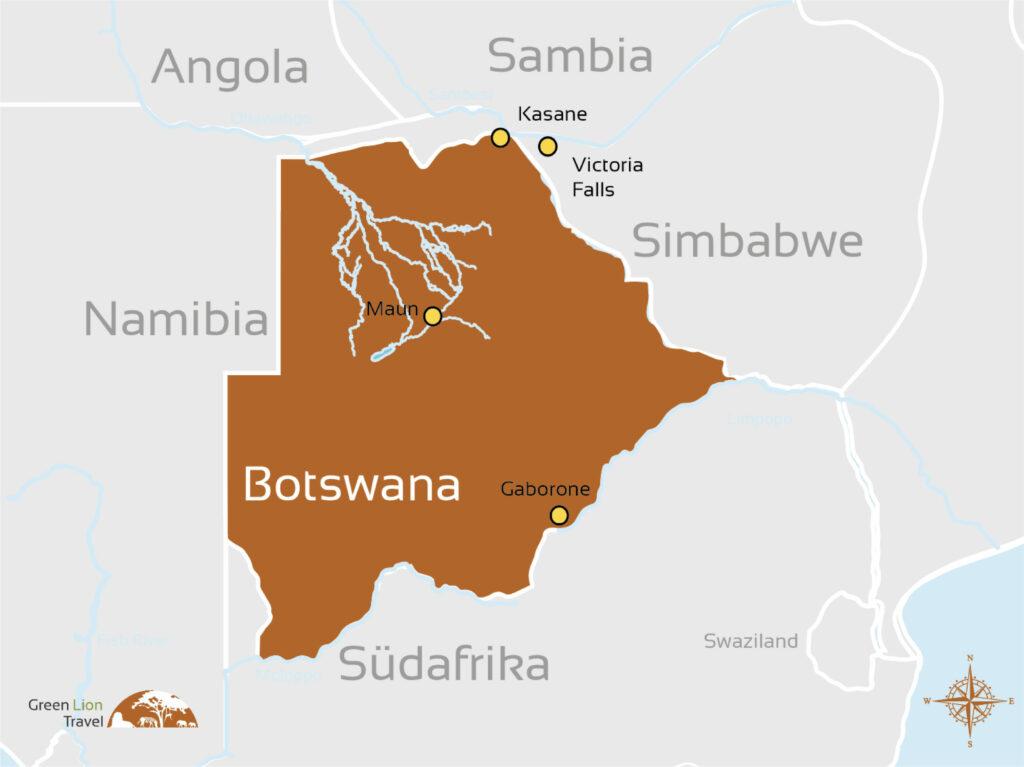
Botswana is bracing for significant economic adjustments in light of a recent slump in diamond prices, a sector that has long been the backbone of its economy. As the nation grapples with the financial fallout of shrinking revenues from its precious gem industry, government officials are signaling a commitment to implement spending cuts aimed at stabilizing the economy. This move comes amidst growing concerns over the sustainability of Botswana’s economic model, which heavily relies on diamond exports. In this context, the implications of these proposed cuts stretch beyond mere fiscal policy; they may profoundly affect various sectors and the livelihoods of many citizens. As the government navigates this challenging landscape, stakeholders are keenly observing how these decisions will shape Botswana’s economic future.
Botswana’s Economic Challenges Intensify Amidst Declining Diamond Revenues
Botswana, often lauded for its robust economic growth driven by diamond exports, now finds itself grappling with the harsh realities of falling global demand for gemstones. The government has unveiled plans to implement strategic spending cuts as it navigates this economic downturn. Key sectors heavily reliant on the diamond industry are facing budget constraints, prompting officials to rethink expenditure priorities to maintain fiscal stability. The decline in diamond revenues not only threatens governmental funding for public projects but also raises concerns about job security in the mining and related sectors.
In response to these fiscal challenges, Botswana’s leadership is exploring innovative measures to diversify its economy. Some proposed strategies include:
- Investment in Tourism: Boosting the tourism sector,especially eco-tourism in its national parks.
- Developing Other Minerals: Identifying and developing the mining potential of other minerals beyond diamonds.
- Infrastructure Enhancement: Improving transportation and communication networks to attract foreign investment.
These initiatives aim not only to cushion the blow from declining diamond revenues but also to create a more resilient economic framework in the long run. As the government braces for tougher times ahead, stakeholders are urged to rally behind these conversion efforts to ensure sustainable growth in Botswana’s economic landscape.
Strategic Spending Cuts: Navigating Fiscal Constraints to Sustain Growth
In response to the recent downturn in diamond prices, Botswana is poised to implement a series of strategic spending cuts aimed at addressing growing fiscal challenges while safeguarding economic growth. As the government navigates this difficult landscape, key areas identified for reduction include:
- Operational Expenses: Streamlining administrative costs to improve efficiency.
- Infrastructure Projects: Delaying non-essential developments to focus resources on critical projects.
- Social Programs: Reevaluating funding for initiatives deemed less vital in the short term.
The cuts are part of a broader strategy to stabilize the economy while maintaining essential services. Officials are also exploring option revenue streams, including enhancing tourism and diversifying the mining sector beyond diamonds. A recent report indicates that such measures may bolster economic resilience, as indicated in the following table:
| Potential Revenue Sources | Estimated Contribution (Pula million) |
|---|---|
| Tourism Promotion | 200 |
| Agricultural Advancement | 150 |
| Gemstone Diversification | 100 |
As the nation braces for the repercussions of the diamond slump, these strategic measures aim to fortify Botswana’s economic foundation, balancing fiscal obligation with long-term growth aspirations.
Recommendations for Economic Diversification: Beyond Diamonds in Botswana’s Future
As Botswana grapples with its reliance on diamonds amid a significant economic downturn, experts urge the need for strategic investments in other sectors to foster sustainable growth. Diversifying the economy could reduce vulnerability to fluctuations in diamond prices and create opportunities for innovation and job creation.Key areas for potential growth include:
- Agriculture: Expanding agro-processing to enhance food security and exports.
- Tourism: Leveraging Botswana’s rich biodiversity and cultural heritage to attract more visitors.
- Facts Technology: Investing in digital infrastructure to promote tech start-ups and digital services.
- Renewable Energy: Exploring solar and wind energy projects to reduce dependency on imported fuels.
To assess the impact of these diversification strategies, stakeholders need to examine existing frameworks and barriers. A focus on enhancing education and vocational training will equip the workforce with necessary skills for emerging industries. Additionally, establishing public-private partnerships can accelerate development and foster innovation. Below is a summary of key sectors with their current contributions and potential growth estimates:
| Sector | Current Contribution (%) | Growth Potential (%) |
|---|---|---|
| Agriculture | 2.5 | 8.0 |
| Tourism | 6.0 | 15.0 |
| IT & Tech | 1.0 | 10.0 |
| Renewable Energy | 0.5 | 12.5 |
To Conclude
as Botswana navigates the economic challenges posed by a significant decline in diamond revenues,the government’s decision to consider spending cuts underscores the urgent need for strategic fiscal management. With diamonds historically being the cornerstone of the nation’s economy, the ramifications of this slump are profound and far-reaching. Authorities will need to balance recovery efforts with essential social investments to maintain stability and growth in the face of economic adversity. As Botswana charts its path forward, the focus will be on diversifying its economy while addressing the immediate financial pressures that threaten the wellbeing of its citizens. The coming months will be critical in determining how effectively the nation can adapt to these shifting economic realities.