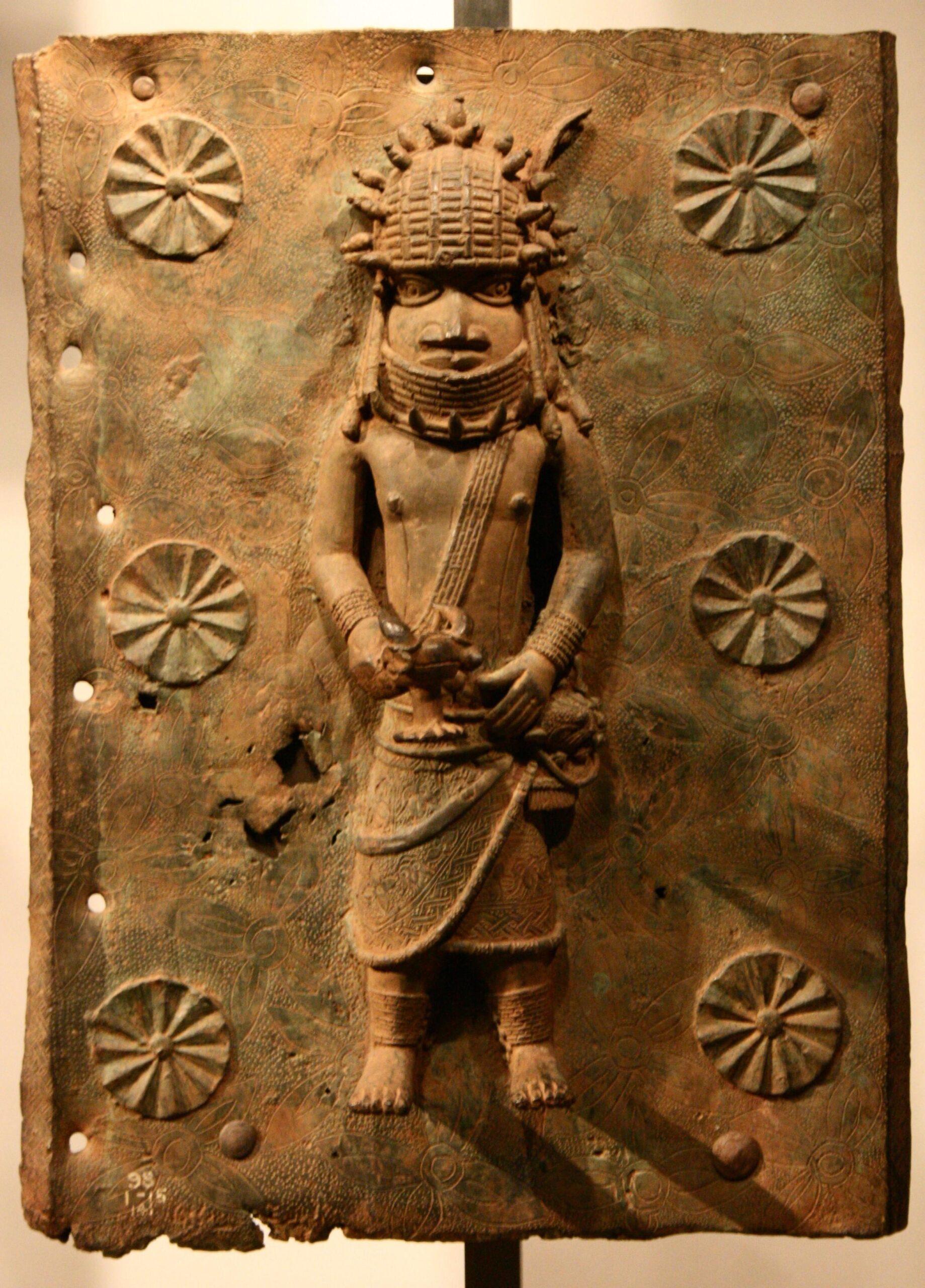
The Benin Bronzes: A Transformative Era in Cultural Repatriation
Recently, the ongoing dialog surrounding the Benin Bronzes-a stunning array of metal plaques and sculptures looted from the Kingdom of Benin, now part of Nigeria-has gained ample traction. Numerous institutions across the globe are expressing their commitment to returning these culturally meaningful artifacts to Nigeria. Once showcased in museums, these bronzes not only symbolize a rich artistic heritage but also serve as poignant reminders of centuries marked by colonial exploitation. This article explores the motivations behind the repatriation initiatives for the Benin Bronzes,examines legal and ethical considerations involved,and discusses various narratives regarding ownership that have emerged during this critical transition. With multiple stakeholders engaged, determining rightful ownership of these treasures has become increasingly complex.
The Historical Significance of Benin Bronzes and Their Return
The Benin Bronzes transcend mere artistic expression; they encapsulate a deep historical narrative linked to the flourishing civilization of the Kingdom of Benin from the 13th to 19th centuries. Crafted through intricate techniques involving brass and ivory casting, these artifacts exemplify exceptional artistry while holding immense cultural importance. Originally designed to adorn royal palaces and commemorate pivotal historical events, they function as both art pieces and records chronicling a vibrant society. The plundering that occurred during Britain’s punitive expedition in 1897 marks a dark chapter in colonial history-raising urgent ethical questions about cultural ownership.
The current movement advocating for their return is part of a broader reckoning with colonial histories and injustices faced by indigenous populations worldwide. Many museums are beginning to recognize their roles as custodians rather than mere holders of art collections; this realization is prompting them to critically reassess their holdings. As these vital artifacts make their way back home to Nigeria, it underscores an emerging collaborative approach toward heritage management where various stakeholders actively engage on how best to curate and exhibit them respectfully while ensuring educational value remains intact.
Legal Frameworks and Ethical Dimensions in Cultural Restitution
The discourse surrounding the return of the Benin Bronzes highlights an essential intersection between international legal frameworks and ethical considerations shaping contemporary cultural restitution efforts. As nations confront their colonial legacies, legal instruments such as UNESCO’s 1970 Convention on Illicit Importing provide crucial guidelines supporting restitution claims while emphasizing moral responsibilities toward rectifying historical injustices.
Moreover, navigating cultural repatriation involves more than merely fulfilling legal obligations; it necessitates thoughtful engagement with ethical implications surrounding ownership rights closely tied with cultural identity itself.Key factors include:
- Historical Context: Understanding how artifacts were originally acquired can inform discussions around restitution.
- Community Involvement: Engaging local communities ensures that decisions regarding heritage reflect collective interests.
- Cultural Education: Raising awareness about returned items’ significance fosters appreciation among wider audiences.
This complete approach encourages collaboration throughout restitution processes-reflecting an evolving understanding that views cultural heritage as shared human experience rather than mere commodities displayed for profit or prestige.
Custodianship After Return: Who Will Safeguard The Benin Bronzes?
The anticipated return journey for the Benin Bronzes signifies a pivotal moment within ongoing discussions about contemporary practices related to cultural restitution.As invaluable treasures head back home questions arise concerning custodianship arrangements necessary for preservation purposes.It becomes imperative that robust frameworks be established ensuring proper celebration protection utilization educationally culturally relevant ways.Key players such as Nigerian governmental bodies,cultural institutions,and local communities must collaborate effectively creating enduring management strategies moving forward!
A accomplished return hinges upon addressing several key considerations:
- Create Secure Storage Facilities: Safe environments equipped with climate control systems will help prevent deterioration over time.
- Civic Engagement Initiatives: Involving local populations throughout conservation exhibition processes cultivates pride sense ownership among community members!
- Sustainable Training Programs: Investing resources into training locals on conservation techniques ensures long-term skill growth opportunities exist!
- Clearly Defined Legal Frameworks: Establishing comprehensive policies protects against smuggling illegal trade threats targeting bronzed artworks!
| Challenges | Potential Solutions |
|---|---|
| Artifact Preservation | Implement Climate-Controlled Storage Solutions |
| Community Engagement Efforts | Involve Local Populations During Exhibitions Events! |
| Skill Gaps Within Conservation Field! | Offer Training Programs For Conservators To Bridge Gaps! |
| Legal Protections Against Smuggling Threats! | < td>Create Comprehensive Legal Framework Policies To Safeguard Artifacts From Illegal Trade Activities!
Conclusion
The ongoing conversation surrounding repatriatingtheBenBronzeshighlightsanimportantmomentinthelargercontextofculturalrestitution.Asinstitutionsandgovernmentsnavigatecomplexitiesassociatedwithrepatriatingartifacts,theconversationextendsbeyondownershipissues-itencompassesbroaderthemesofjustice,historicalaccountability,andrestorationculturalheritage.AsthesebronzeartworksreturntoNigeria,theimplicationsresonateglobally,challengesothermuseumsandnationsreevaluatecollectionsandnarrativesperpetuatedthroughouttime.Theoutcomeofwhoultimatelyreceivesthesetreasuresreflectsoninstitutionalpoliciesaswellasourcollectivecommitmenttowardsmoreequitableapproachesregardingculturalllegacy.Witnessinghistoricalartifactsreturnhomeembarksusonajourneytowardredefiningunderstandingart,culture,andstoriesshapingoursharedhumanexperience.