
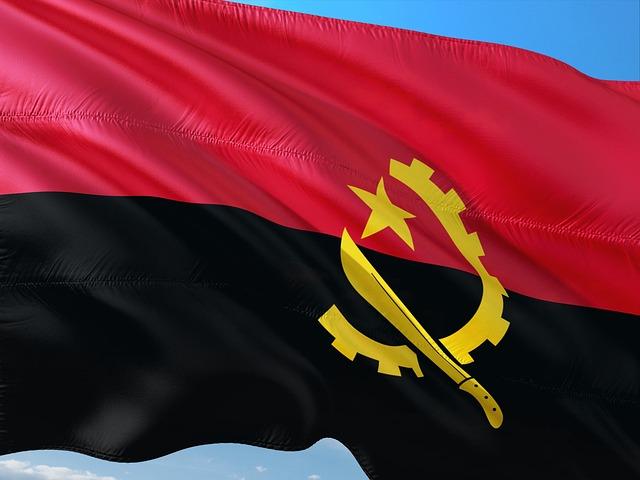
In an era marked by shifting global dynamics and emerging power centers, Angola is positioning itself as a key player on the world stage, navigating the complexities of multipolarity with ambition and strategic intent. Once primarily recognized for its rich natural resources, this southern African nation is now actively seeking to expand its influence and assert its role as a middle power. As traditional powers face internal challenges and new alliances form, Angola aims to leverage its geopolitical location, economic potential, and historical ties to reshape its international standing. This article delves into Angola’s middle power aspirations, examining the strategies it employs to enhance its diplomatic clout and how its ambitions align with broader trends in global governance and regional stability.
Exploring Angola’s Strategic Partnerships in a Multipolar World
In the shifting landscape of international relations, Angola has embarked on significant strategic partnerships that underscore its aspirations as a middle power. The country’s focus on enhancing ties with both traditional allies and emerging powers reflects its desire to navigate the complexities of a multipolar world. Angola’s key partnerships span across various sectors and regions, facilitating economic growth and geopolitical influence. Notable collaborations include:
- China: Increased investment in infrastructure and energy projects.
- Russia: Cooperation in military and technological sectors.
- Brazil: Strengthening ties through cultural exchange and trade.
- European Union: Engagement in sustainable development and governance reforms.
The impact of these alliances is evident in Angola’s evolving role within regional organizations, such as the African Union (AU) and Southern African Development Community (SADC). Angola seeks to leverage its position to advocate for regional stability and sustainable development, fostering a concerted approach to collective challenges. To illustrate this, the table below summarizes Angola’s participation in various regional initiatives:
| Initiative | Type | Focus Areas |
|---|---|---|
| AU Peace and Security Council | Political | Conflict resolution, peacekeeping |
| SADC Regional Development Fund | Economic | Infrastructure, trade facilitation |
| African Continental Free Trade Area (AfCFTA) | Economic | Trade liberalization, market integration |
Enhancing Angola’s Role in African Diplomacy Through Middle Power Initiatives
Angola is poised to amplify its influence on the African stage by pursuing strategic middle power initiatives that align with the continent’s burgeoning multipolar landscape. With a historic palette of resources, a unique geopolitical position, and an emerging economy, Angola can champion collective African interests in international forums. This approach could enable Angola to foster alliances within regional groups, engage with established powers like the EU and China, and advocate for sustainable development goals that resonate with both local and global audiences. By positioning itself as a mediator and facilitator of dialogue, Angola can solidify its role as a pivotal player in African diplomacy.
To accomplish these objectives, Angola can prioritize key focus areas, which may include:
- Regional Stability: Engaging in conflict resolution and peacekeeping missions in neighboring countries.
- Economic Collaboration: Enhancing regional trade agreements and investment initiatives to boost economic interdependence.
- Cultural Diplomacy: Promoting Angola’s rich cultural heritage to strengthen ties and foster mutual understanding with other African nations.
- Climate Action: Leading continental efforts in addressing climate change through innovative environmental policies.
Furthermore, Angola’s diplomatic strategies could benefit from structured approaches such as a collaborative action plan that outlines specific initiatives and partnerships. For instance, leveraging existing frameworks and creating synergy with organizations such as the African Union (AU) and Southern African Development Community (SADC) can enhance its regional presence. A straightforward summary of these initiatives can be illustrated in the following table:
| Initiative | Objective | Expected Impact |
|---|---|---|
| Conflict Mediation | Promote peace in conflict zones | Stability and security in the region |
| Trade Agreements | Boost inter-African trade | Increased economic growth |
| Cultural Exchange Programs | Enhance cultural ties | Greater regional cooperation and understanding |
| Climate Initiatives | Mitigate climate change effects | Transformative environmental policies |
Recommendations for Strengthening Angola’s Global Position and Influence
To enhance its global standing, Angola should focus on several strategic initiatives aimed at fostering economic growth and diplomatic relations. Investing in infrastructure projects will not only improve internal logistics but also position Angola as a key player in regional trade networks. Furthermore, diversifying the economy beyond oil dependency by promoting sectors such as agriculture, tourism, and technology can attract foreign investment and expertise. Incorporating sustainable practices into these sectors will resonate with global trends towards environmental responsibility. To solidify these efforts, Angola should engage in targeted diplomatic outreach, forging bilateral agreements with emerging economies as well as established powers to create a more favorable trade environment.
Building a regional leadership role is essential for Angola to amplify its influence in organizations such as the African Union and the Southern African Development Community (SADC). By championing initiatives that address common regional challenges, such as climate change and security concerns, Angola can earn the trust and respect of its neighbors. Additionally, establishing cultural and educational exchanges with countries in the Global North and South can enhance people-to-people connections, promoting a more favorable image on the international stage. This comprehensive approach, emphasizing collaboration, could position Angola as a mediator in regional conflicts, further solidifying its status as a middle power in a multipolar world.
To Wrap It Up
In conclusion, as Angola navigates the complexities of a multipolar world, its ambitions as a middle power are increasingly evident. With a strategic focus on enhancing diplomatic relationships, leveraging its natural resources, and positioning itself as a hub for regional stability, Angola is asserting its role on the global stage. The nation’s leadership is keenly aware that the pursuit of these ambitions will require deft diplomatic maneuvering and a commitment to both domestic and international partnerships. As the global landscape continues to shift, Angola’s efforts to carve out a more prominent position in international affairs could serve as a model for other emerging powers seeking to navigate the intricate dynamics of multipolarity. The coming years will be crucial for Angola as it works toward realizing its potential, with the eyes of the international community closely watching its progress.










