
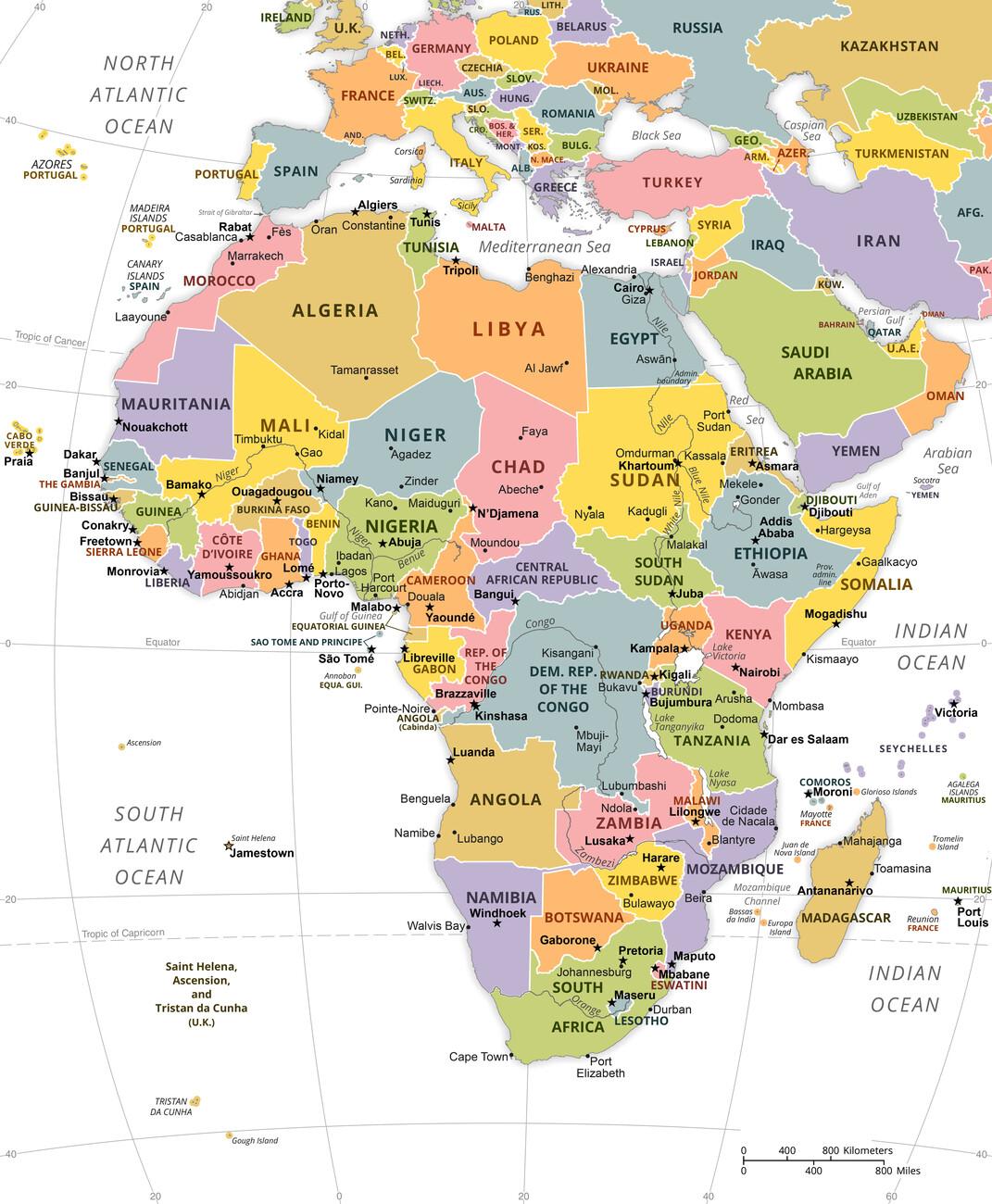
As global markets continue to evolve in the wake of economic shifts and changing geopolitical landscapes, Japan is turning its eyes toward Africa as a promising frontier for investment and growth. Bolstered by strategic partnerships and an appetite for lasting advancement, Japanese businesses are planning to inject billions into various sectors across the continent. This meaningful financial commitment not only underscores Japan’s commitment to fostering economic ties with African nations but also highlights the potential for a mutually beneficial relationship that could reshape the investment landscape. As countries across Africa strive for economic advancement, Japan’s robust technological expertise and capital investment could play a pivotal role in driving innovation and infrastructure development. This article delves into the multifaceted approaches Japan is taking as it embarks on this ambitious investment journey, exploring the implications for both Japanese firms and African economies alike.
Africa Emerges as a Strategic Investment Hub for Japan’s Economic Expansion
The growing economic landscape in Africa is capturing the attention of Japanese investors, who are increasingly viewing the continent as a critical player in their global growth strategy. With its wealth of natural resources, vibrant young population, and expanding markets, Africa presents unique opportunities that align with Japan’s ambition to diversify its investment portfolio. A diverse range of sectors, including infrastructure development, renewable energy, and technology innovation, is poised for significant capital inflow, as Japan aims to cement its position as a key partner in Africa’s economic evolution.
Strategic partnerships are being formed, with several Japanese firms already establishing operational footprints across various African nations. This not only fosters mutual growth but also empowers local industries. Some of the critical sectors attracting Japanese capital include:
- Healthcare: Investing in medical equipment and pharmaceuticals.
- Telecommunications: Expanding digital infrastructure and connectivity.
- Agriculture: Enhancing food security through technology and innovation.
Ultimately, as Japan seeks to bolster trade relations and tap into Africa’s immense potential, the continent is expected to play a pivotal role in shaping Japan’s economic horizon for years to come.
Key Sectors for Sustainable Growth: Focus on Infrastructure and Technology in Africa
Africa’s diverse landscapes and burgeoning population present a rich tapestry of opportunities for infrastructure development and technological innovation. As Japan eyes the continent for expansion, investments are poised to enhance key sectors vital for sustainable growth. Infrastructure development will not only focus on transportation networks-such as roads, railways, and airports-but also encompass energy solutions, clean water access, and urban development. By addressing these critical needs,Japan aims to facilitate economic stability and social progress across various African nations.
Together, technology investments will play a pivotal role in revolutionizing industries from agriculture to finance. By harnessing advancements such as artificial intelligence,mobile technology,and renewable energy solutions,Japan’s engagement can drive significant productivity improvements. A focus on digital infrastructure is essential to bridge the technological divide and empower local startups. This synergy between investment and innovation positions Africa to leapfrog traditional development stages, ultimately leading to a more resilient and prosperous future.
Navigating Opportunities and Challenges: Recommendations for Japanese Investors in Africa
As Japanese investors look towards Africa, it is crucial to identify both the opportunities and challenges present in this diverse and rapidly evolving landscape. Sectors worth exploring include:
- Agriculture: With its fertile land and favorable climate, Africa offers vast potential for agricultural investments. Japan’s advanced technology can definitely help improve productivity.
- Technology: The rise of fintech and mobile technology in Africa presents a unique prospect for Japanese tech firms to partner with local startups.
- Infrastructure: The dire need for infrastructure development-roads, electricity, and water supply-represents a lucrative avenue for investment, especially in partnerships with African governments.
However, navigating these opportunities comes with distinct challenges that require strategic planning. Investors should be aware of:
- Cultural Differences: Understanding local customs and business practices is essential to build trust and foster collaboration.
- Regulatory Hurdles: Familiarize yourself with local laws and regulations to avoid surprises that could derail investment plans.
- Access to Markets: Research and develop clear market entry strategies to effectively reach consumers across various African nations.
Wrapping Up
Japan’s strategic pivot towards Africa marks a significant chapter in the evolving narrative of global investment dynamics. With billions earmarked for various sectors, this initiative not only underscores Japan’s commitment to fostering sustainable development across the continent but also highlights the potential for mutual growth in an increasingly interconnected world. As both regions navigate the complexities of economic collaboration, the focus will likely shift to key areas such as technology transfer, infrastructure development, and human resource capacity building. The coming years will be critical in determining how these investments reshape the African landscape, offering new opportunities while also necessitating careful oversight to ensure that the benefits are equitably shared. As we move forward,the unfolding relationship between Japan and Africa will undoubtedly be a key area to watch in the global economic arena.










